This page is also available in Russian.
Welsh legends tell of the Corgi as a “magical” dog that the fairies and dwarfs used for pulling carriages or carrying warriors on its back. The Corgi would slip away at night into the Welsh hills and play with the “little people” there. Some say that even today you can see the marks of the fairies’ saddles on their backs and the traces of harnesses on their shoulders.
There are many theories about the name “Corgi”. One claim is that it comes from the Celtic word for “dog”. Some believe its name combines the words “dwarf” and “dog”.
The breed has a rich and long history. Some believe the Corgi was brought to Wales by the Vikings in the eighth century or by the Celts around 1200. It is also possible that Flemish weavers from Belgium developed the breed in the twelfth century. One theory is that the Corgi descends from the Swedish cattle dog called the Vallhund. It is also linked to the ancestors of the Schipperke and German Spitz.
The breed was originally developed to walk ahead of the herd and clear its path of predators and herds that were on the land without permission. Later, it began to help direct cattle. It also guarded and rounded up farm poultry and did its work alongside other dogs. Some used Corgis as hunting dogs for birds and small animals, as well as efficient mouse catchers. Although there are two types of Corgi, Pembroke and Cardigan, they were only officially separated about 70 years ago.
This is a low-set, strong dog with a sturdy build, alert and active by nature, giving the impression of substance and stamina in a small body. Bold and businesslike in temperament. Outgoing and friendly, never nervous or aggressive.
The Corgi was originally a cattle-herding dog, and is therefore quite stubborn, strong and low-set. It moves cows from place to place by lightly nipping at their ankles. The cows tend to kick back, so its low build allows it to dodge the leg coming towards it, while its sturdy, strong body enables it to stand firm against the cows. Its relatively tough temperament compared with sheepdogs is also related to the fact that it works with cattle. On the other hand, like all herding dogs, it forms an excellent bond with people in general and with its owner in particular.
The Corgi, incidentally also known as the breed kept by Elizabeth, Queen of Britain, has an alert, intelligent expression and sometimes seems to be “laughing”. Its large, round eyes complete the friendly expression.
Physically, it is a dog with short legs and a fairly long body, standing around 25–30 cm tall and weighing between 9 and 12 kg. Its head is somewhat foxlike, with upright ears and a muzzle that forms a triangle with the skull. It has a medium-length coat, harsh to the touch, which comes in red, sable, fawn, black and tan, with or without white markings on the legs, forechest and neck. Unlike the Cardigan Corgi, the Pembroke has a short tail.
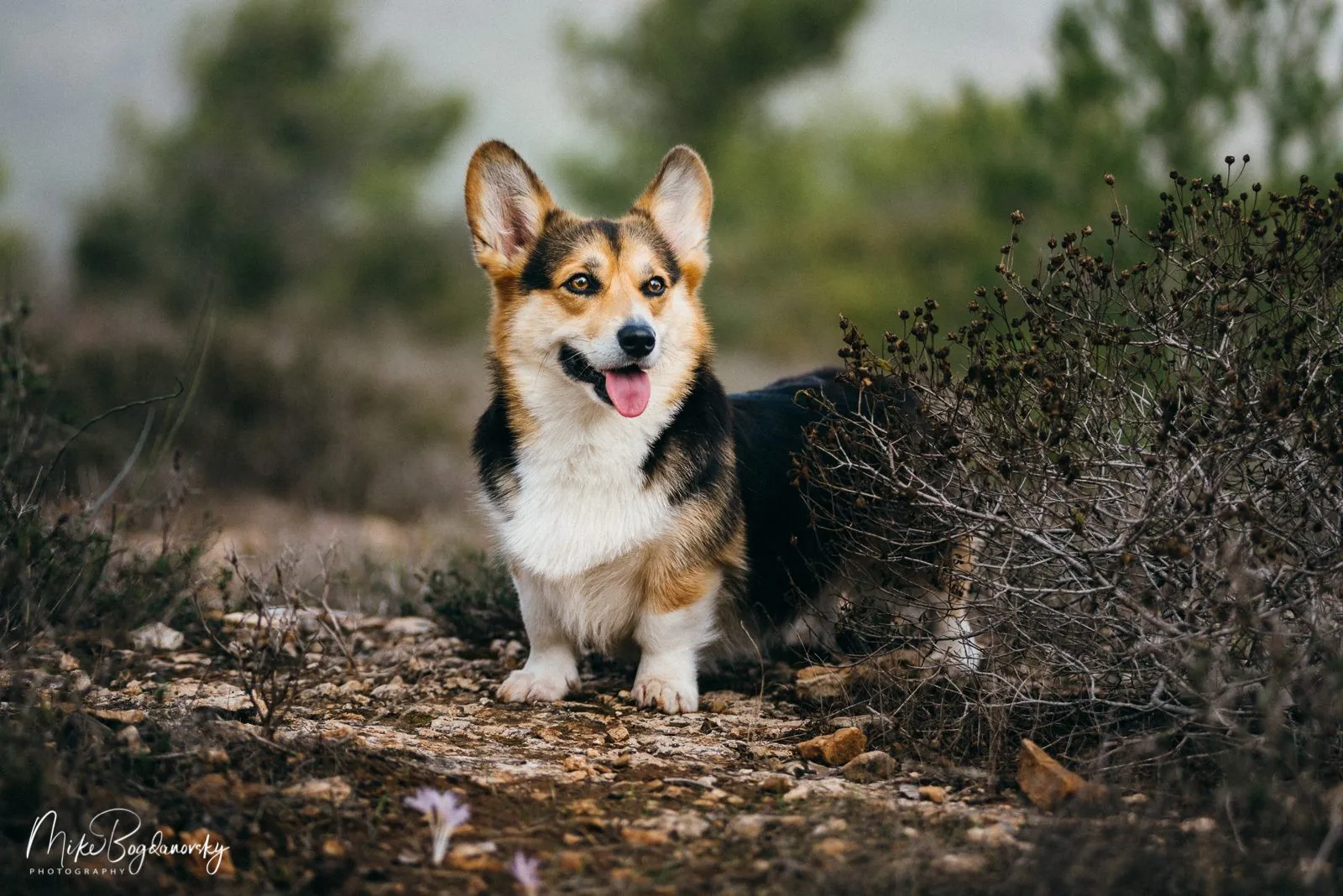
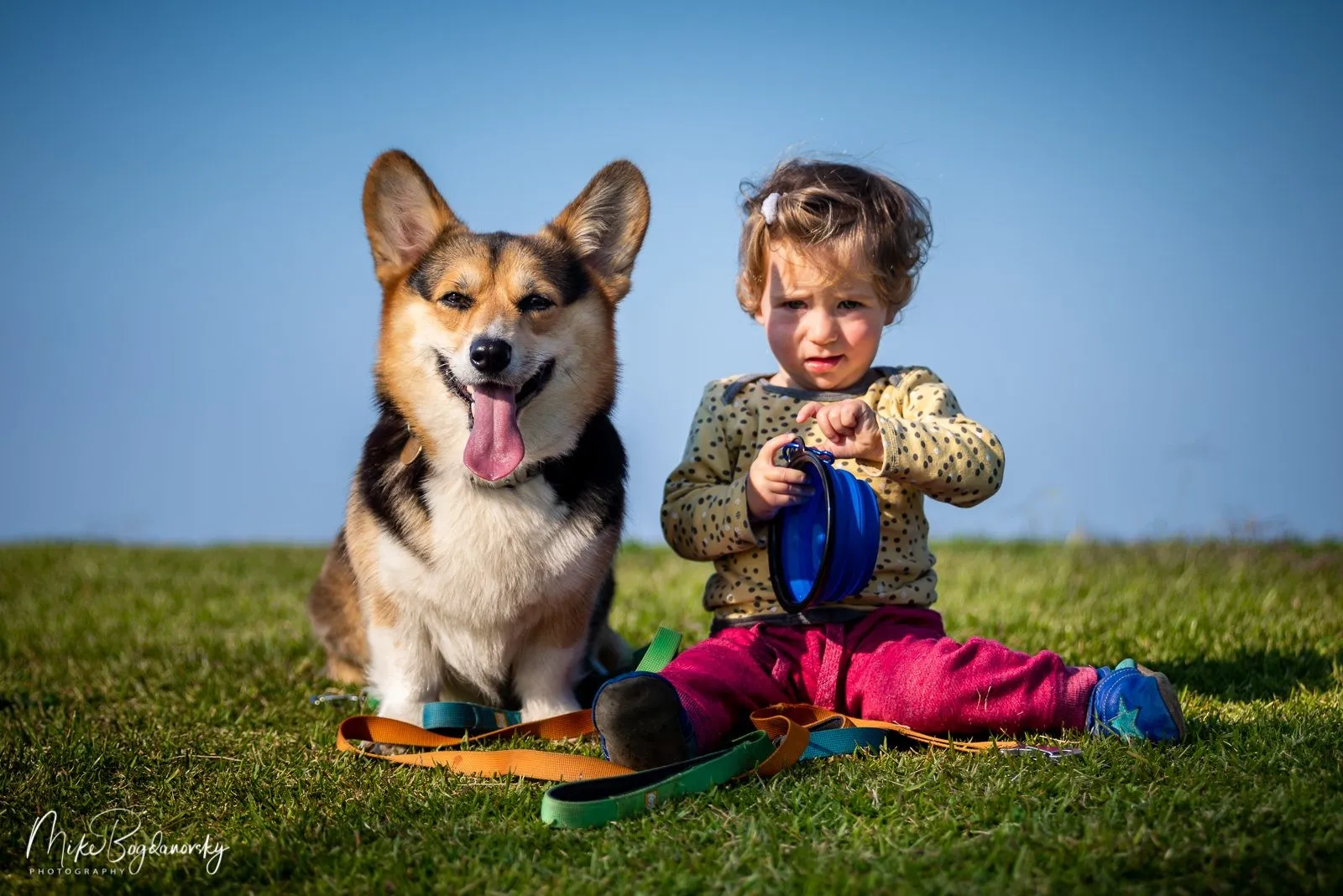
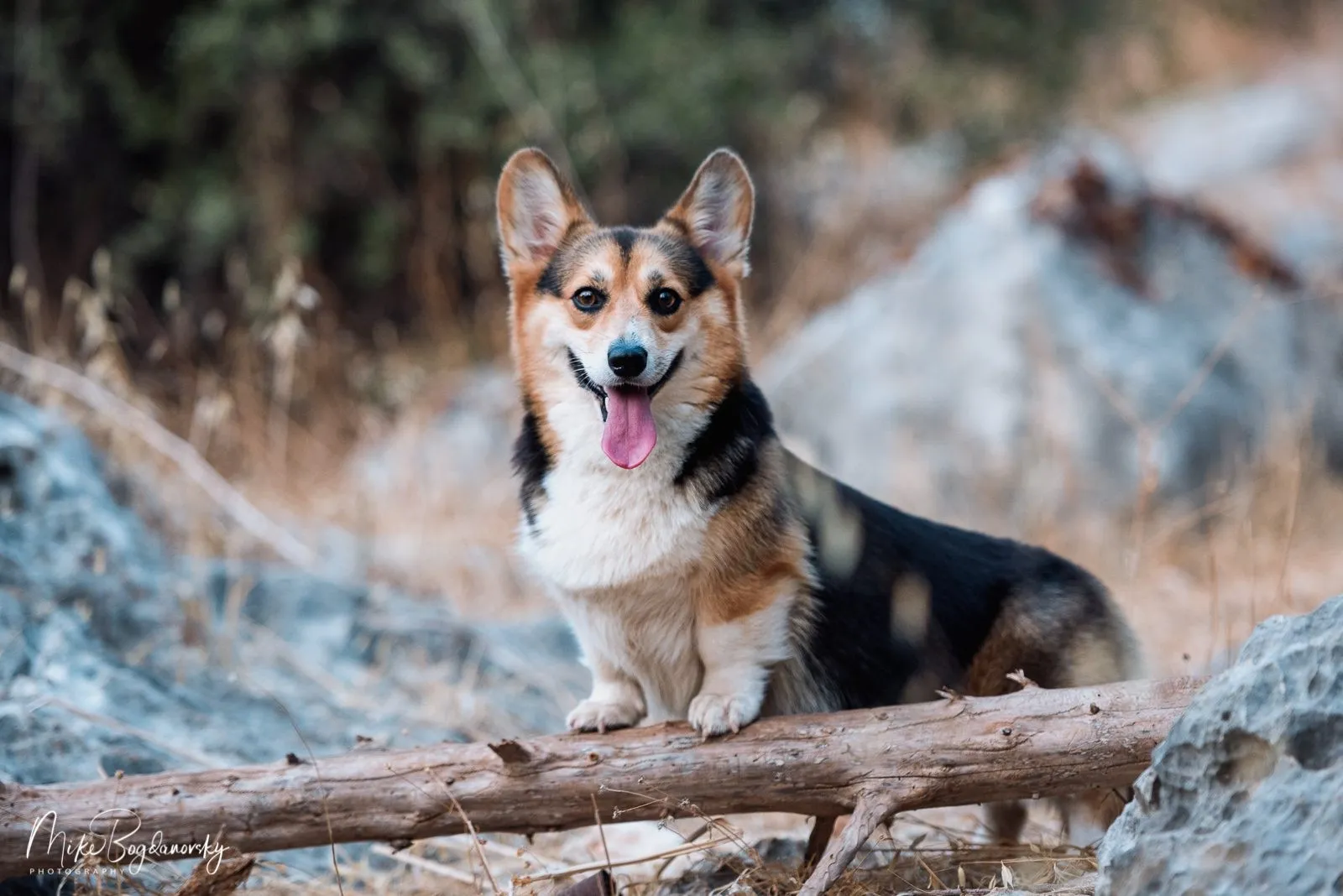
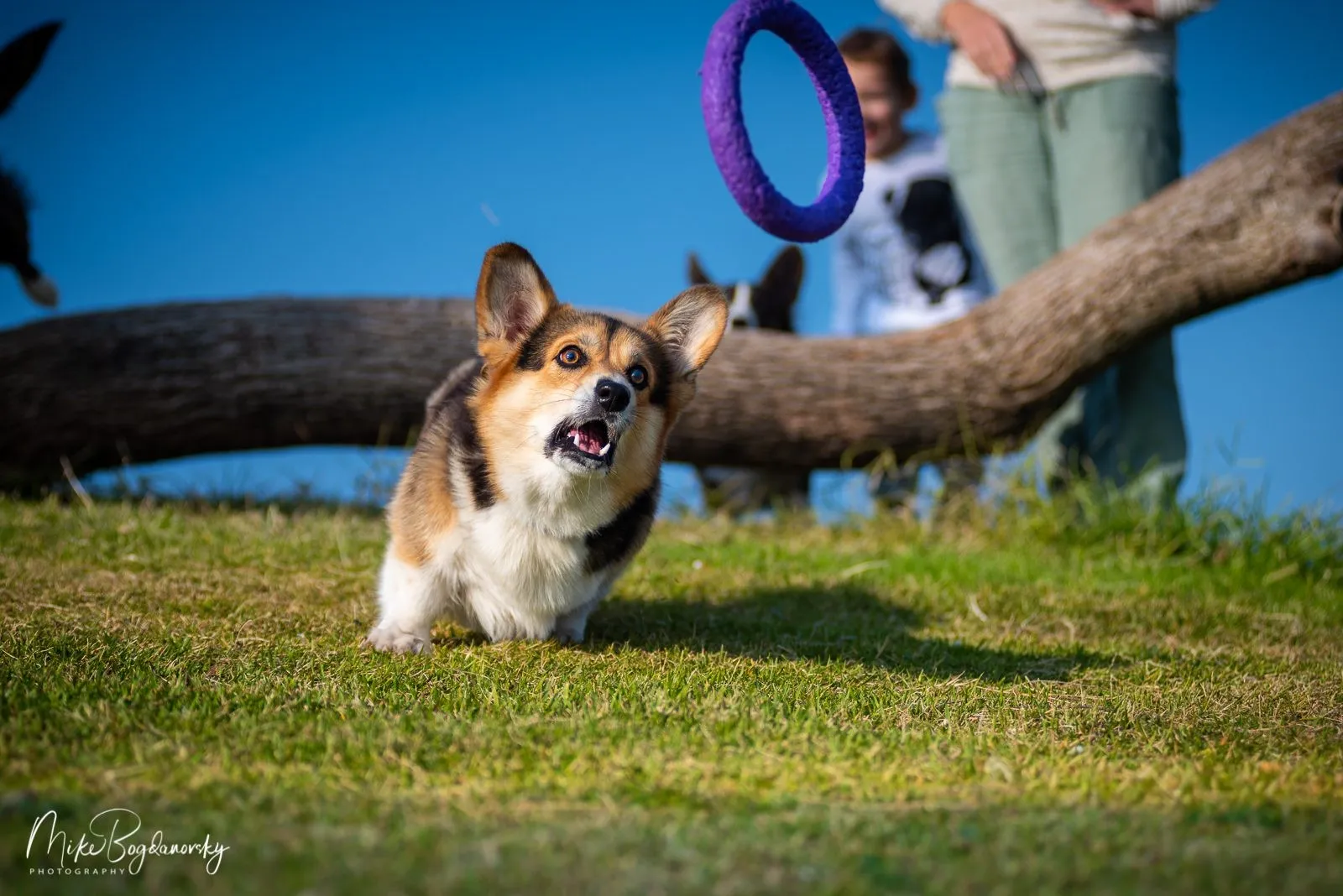
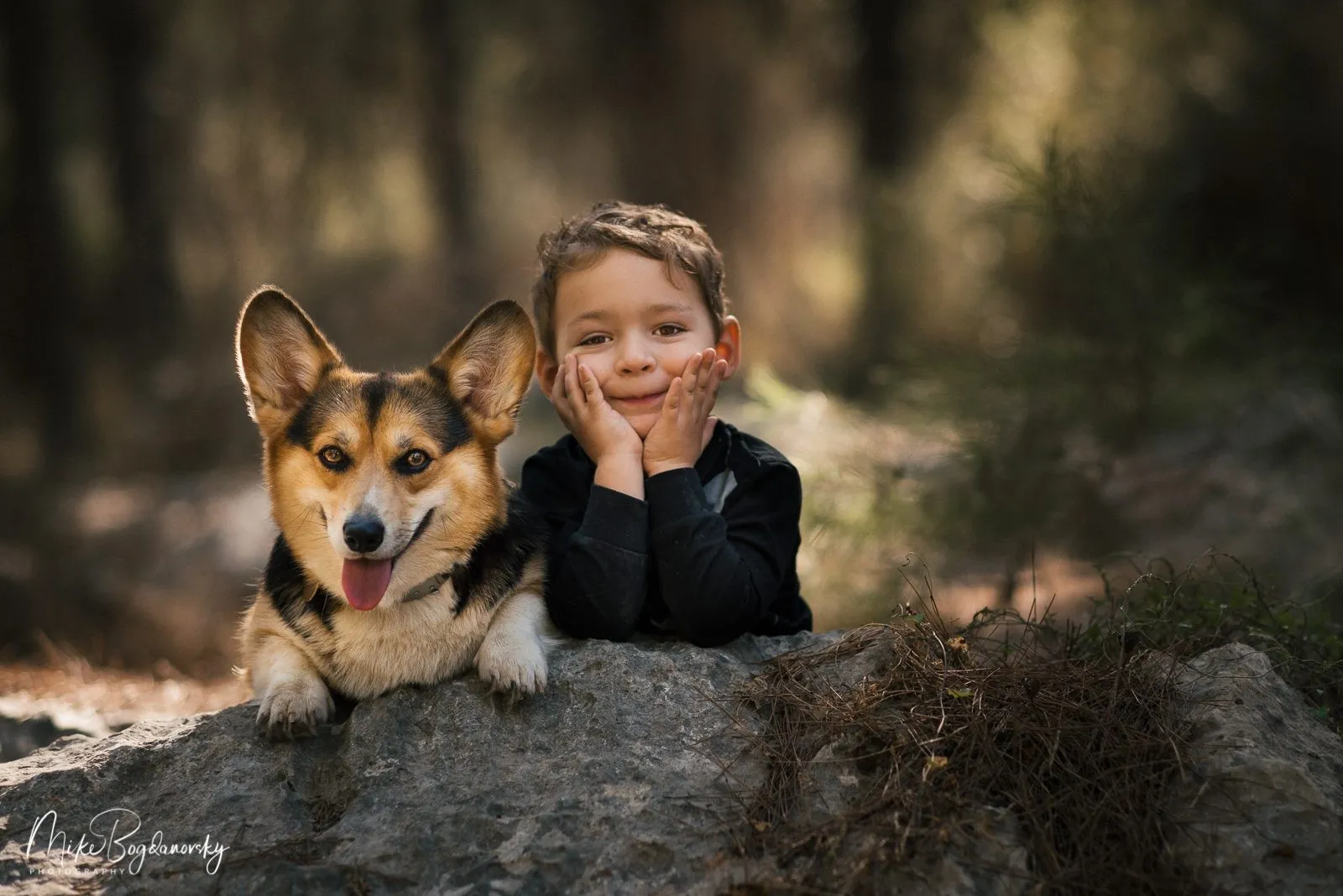
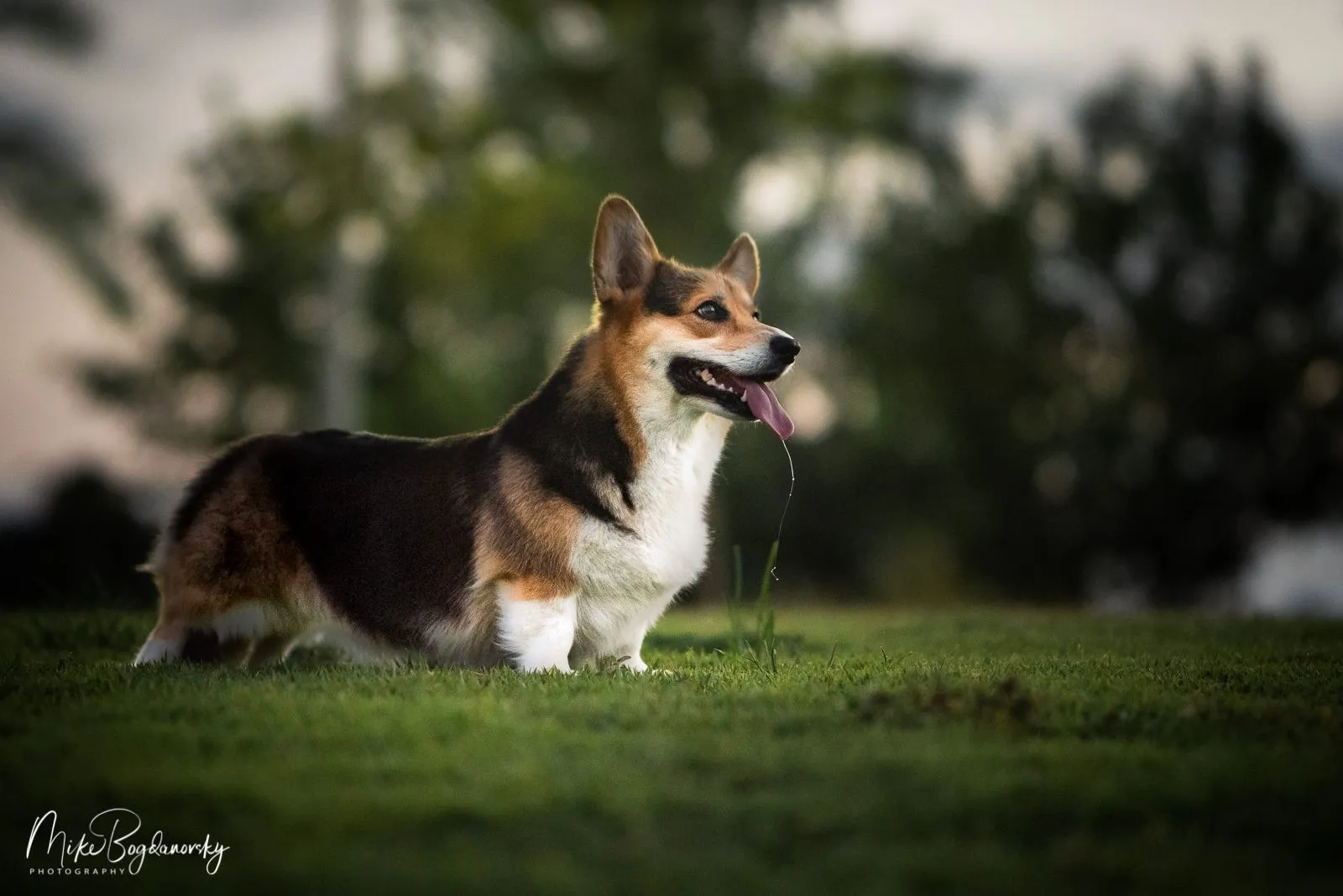
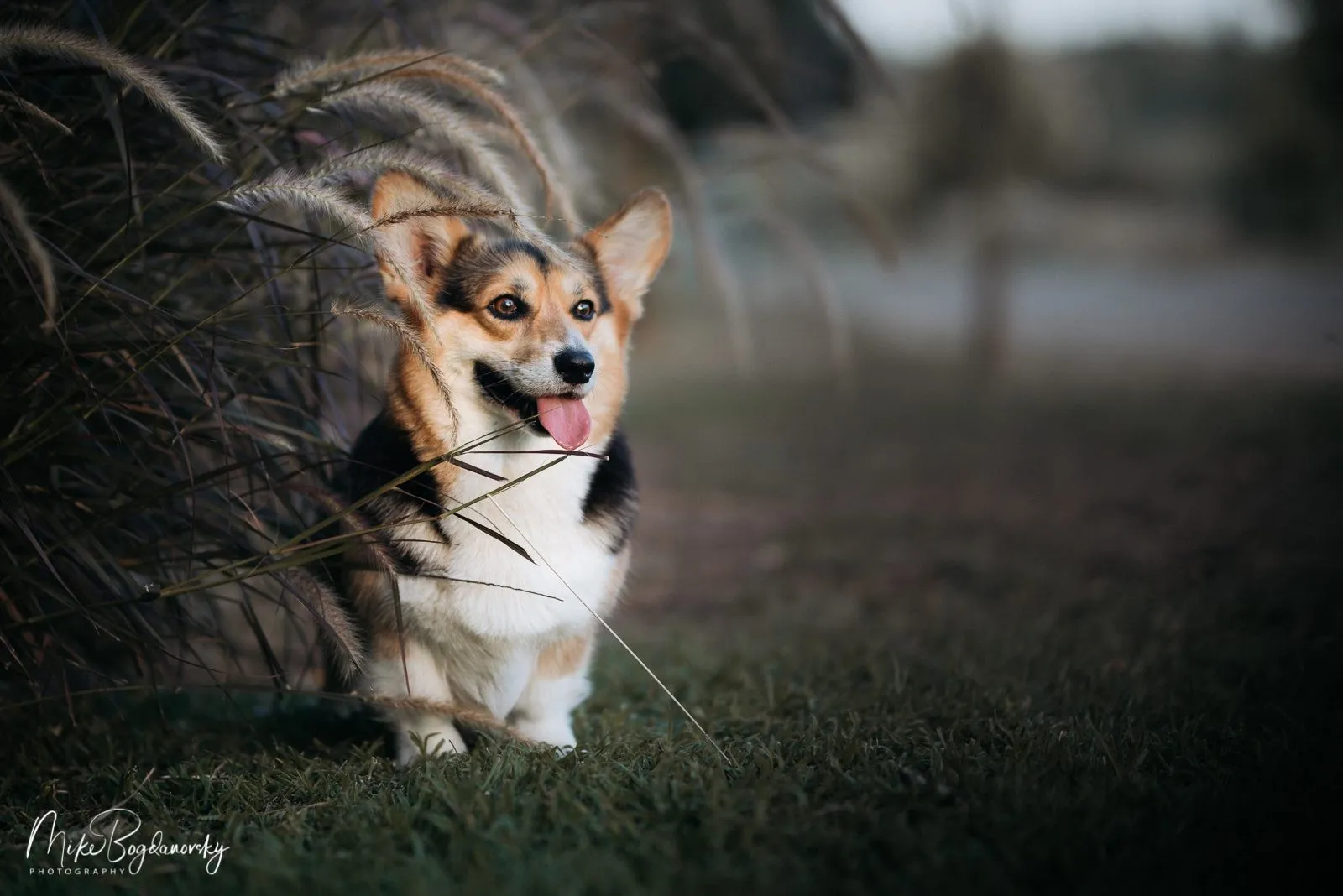
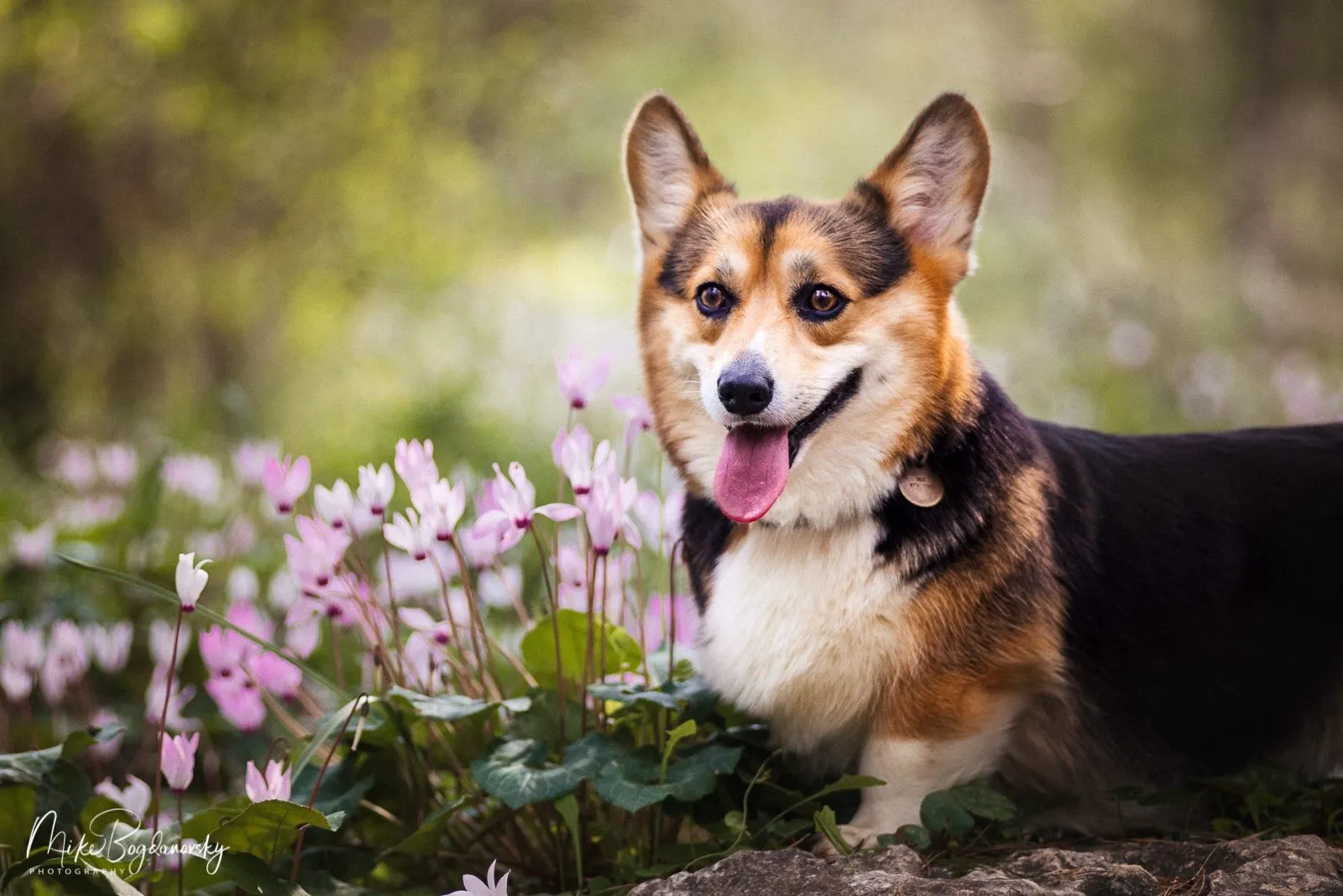
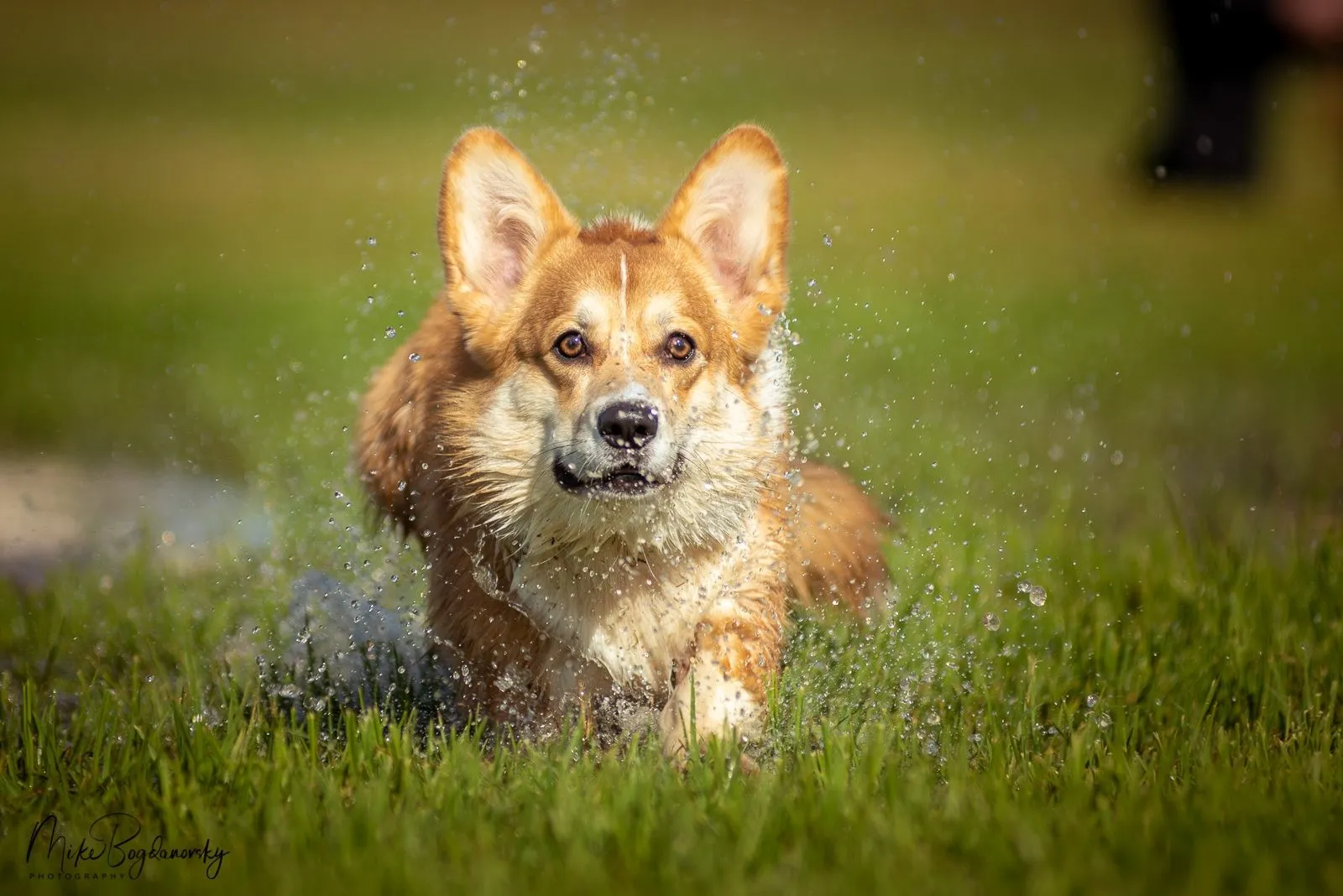
Welsh Corgi Pembroke
The Pembroke Corgi is an intelligent, loyal dog who wants to please its owner. It is very active and good with children, although it may try to establish dominance over them. It is a good watchdog, wary of strangers, but needs good socialisation at an early age. They sometimes try to herd family members too, but can be taught not to do so.
The Pembroke tends to bark quite a lot and sound the alarm when something seems suspicious to it. It does well in a flat as long as it is taken for walks and gets enough exercise. The coat does not require much care, although it sheds twice a year.
The breed has a life expectancy of 12–15 years. Hereditary diseases found in the breed include a degenerative eye disease (PRA), glaucoma and back problems. It tends to gain weight easily, so it is important not to overfeed it.