The Welsh Corgi Pembroke is a big dog in a small body. This is the description most often heard from owners of these dogs. It is amazing how so much love, joy, sociability and devotion to people fit into such a small animal. And when it comes to intelligence and intuition, a Corgi can outdo many recognised human helpers among the large working breeds. An excellent temperament, remarkable performing talents and a charming appearance have won the breed love in many countries around the world.
History of the Welsh Corgi Pembroke breed
The history of the Welsh Corgi Pembroke breed goes back centuries. During excavations at the site of a settlement that existed around the turn of the eighth and ninth centuries in South Wales, scientists from Cardiff University found, among other things, the bones of a small dog that closely resembled parts of the skeleton of modern Corgis.
The first written mentions of the breed appear in the code of laws of the Welsh king Hywel the Good, who ruled in these parts in the tenth century. Under the law, if a Corgi herding livestock was killed, its owner had the right to demand an entire ox from the culprit as compensation. Interestingly, no one gave more than a ram for dogs of any other breed, even if they belonged to the king. The reason was that Welsh Corgis herded livestock without human involvement, accompanied the herd independently and fearlessly protected it from wolves and robbers; in other words, they did both their own work and their owner’s. The death of such a helper was indeed a very significant loss.
According to one account, the ancestors of today’s Pembrokes were brought to the islands of Foggy Albion by the Vikings. They may have been Lundehunds, whose resemblance lies not only in their size but also in the particular positioning of their ears, which prevents sand and moisture from getting deep inside the ear. Corgis also have much in common with another Spitz-type dog, the Swedish Vallhund.
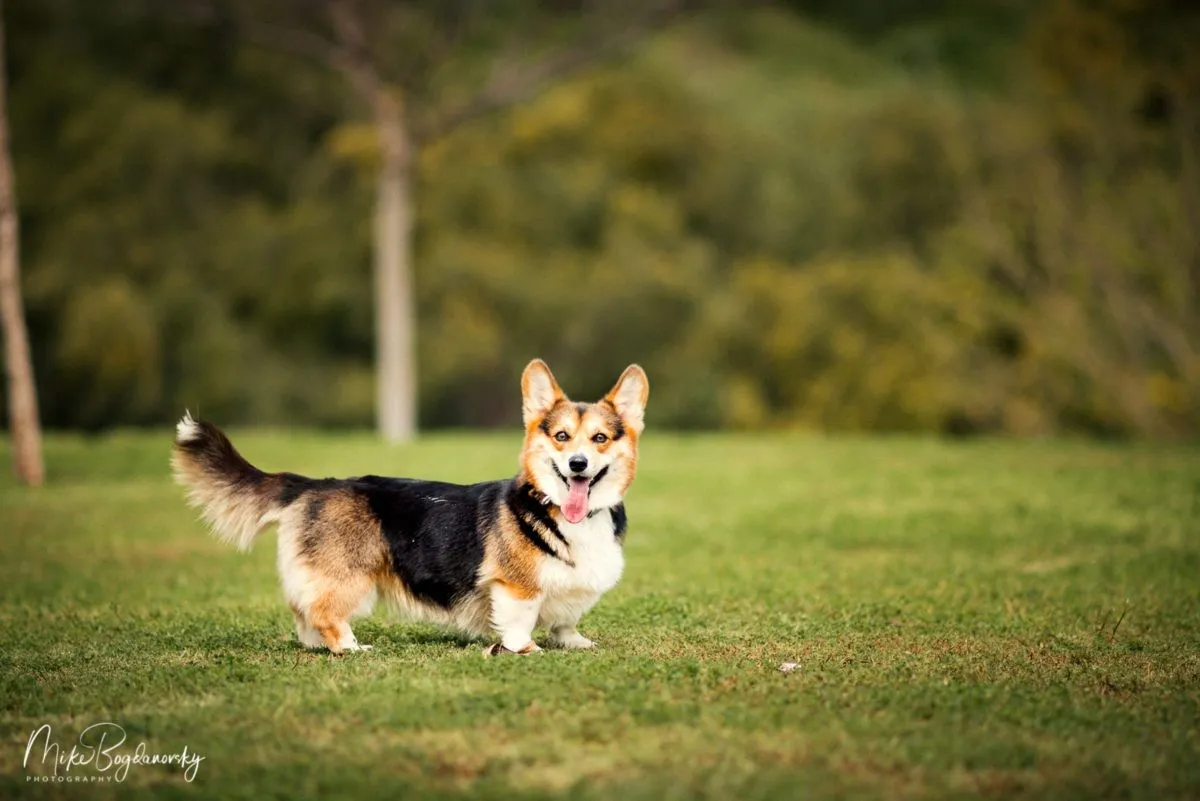
Their main function in those days was herding, and not only flocks of sheep. Corgis were excellent at looking after herds of ponies too, and when poultry breeding boomed in Wales (mainly geese and ducks), there was simply no better helper for accompanying these very wilful birds to town markets. Several dogs, working as a well-organised team, delivered enormous flocks of birds to their destination with almost no losses. It was also important that the dogs did their work without barking and did not unsettle the birds.
The Welsh Corgi Pembroke traces its history to the Welsh county of Pembrokeshire. The Cambrian mountain range separates this area from the county of Cardiganshire, where the Welsh Corgi Cardigan originated. Despite their similar names, these are different dogs. Their isolated existence in certain mountainous areas and the resulting close inbreeding established features unique to each breed.
As for the meaning of the words “Welsh Pembroke” or “Welsh Cardigan” in the breed’s name, that is more or less clear. But “Corgi” can be translated in different ways. Some believe the word comes from the Welsh “cor” (watch, gather) plus “gi” (dog). Others interpret “corgi” as “crossbreed” or “vicious dog”. Still others translate “cor” as “gnome, dwarf”.
Personality
The Welsh Corgi Pembroke is a cheerful, friendly dog with a high energy level, ready to set off in search of adventure at any moment. Thanks to their small size, these dogs feel perfectly at home in city flats, although the best place for them is still a private house with its own garden and the chance to walk on green lawns nearby.
The Welsh Corgi Pembroke has a cheerful disposition – you certainly will not be bored with one. It often enjoys being the centre of attention and entertaining people with its funny antics. Another distinctive feature is the variety of tones in their voices: these dogs express a huge range of emotions in this way.
Despite their open, good-natured temperament, Welsh Corgis can be quite independent; they like to understand the point of things and make decisions, because they are very intelligent and quick-witted animals. This directly affects the upbringing and training methods their owner needs to use for the greatest success.
This breed needs plenty of walks and loves activity, various games and entertainment outdoors. They get along wonderfully with children and love all sorts of games and fun with them. They are fine with other pets if they do not see aggression from them.
They treat strangers well, without rejection or unjustified aggression, but only when they are not acting as watchdogs. Yes, you heard correctly: Welsh Corgis really can be wonderful watchdogs, because they bark very loudly and can raise the alarm for any reason, and sometimes for none at all.
Accordingly, if they see themselves in that role and spot a stranger trying to climb over the fence, the whole neighbourhood will get no peace. What is more, the dog may even try to stop the intruder despite its modest size. In fact, they are rarely used for this purpose, because the breed is expensive and considered more of an elite breed. Rather, this dog is an excellent companion for any family or a person living alone – it makes no difference.
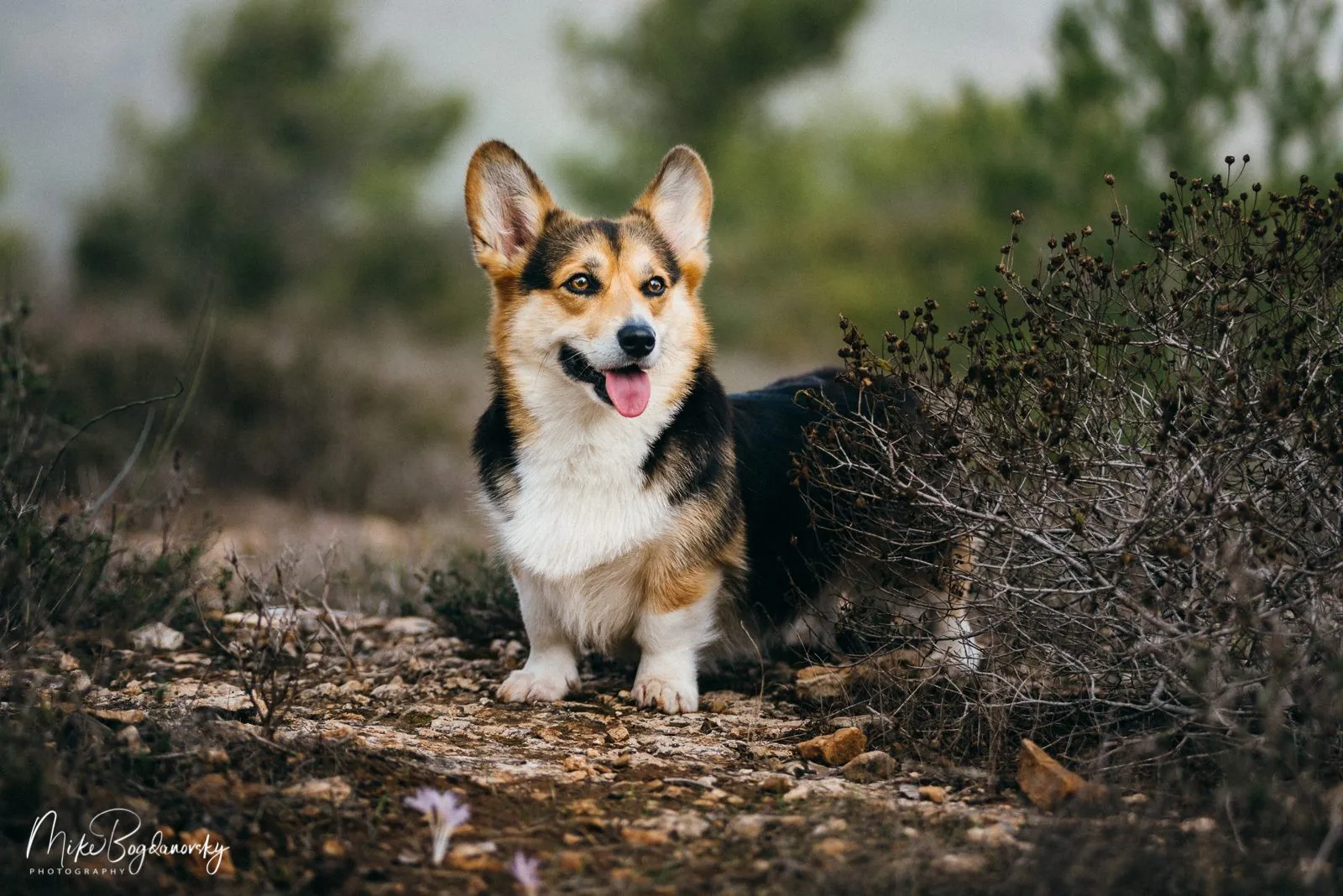
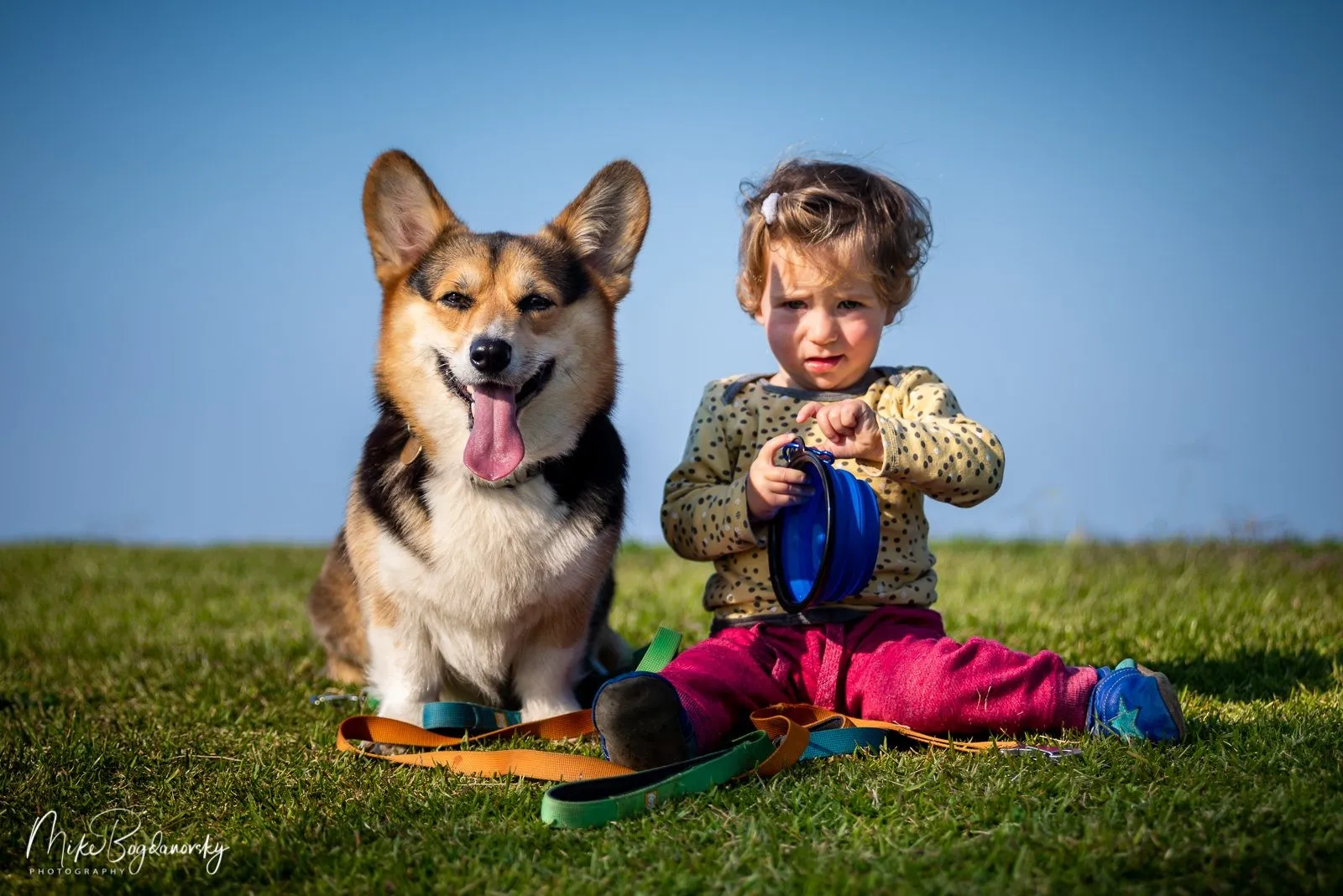
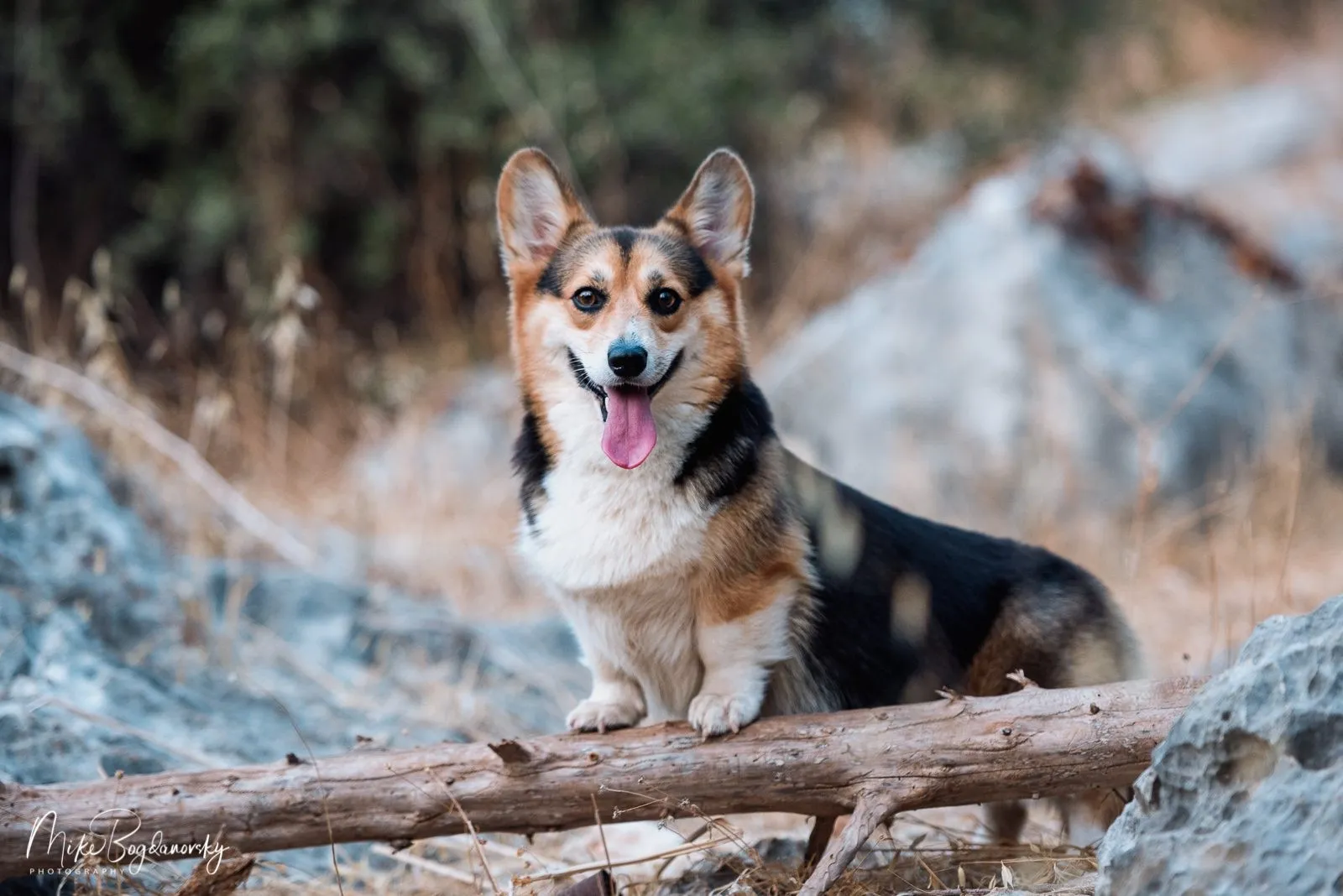
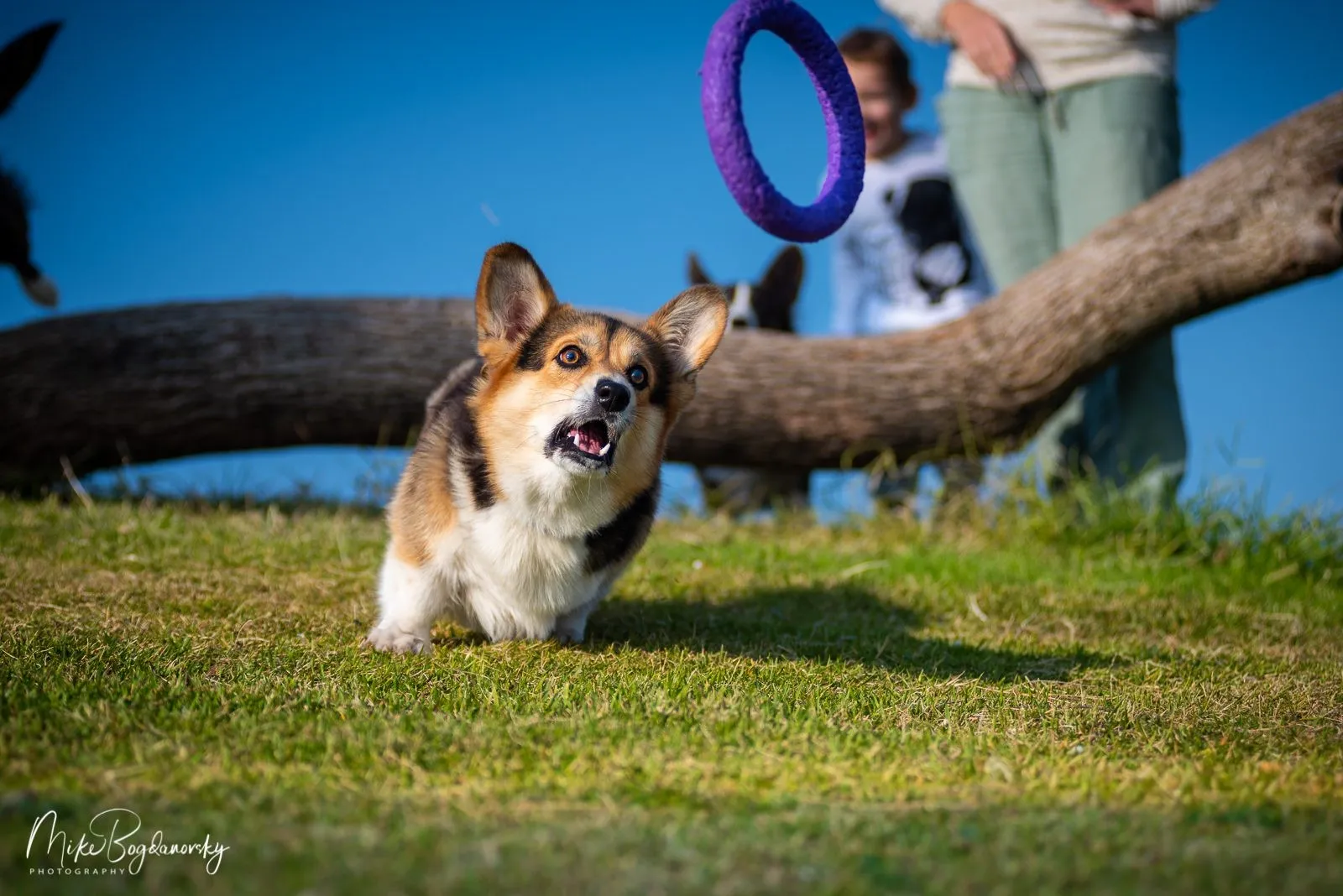
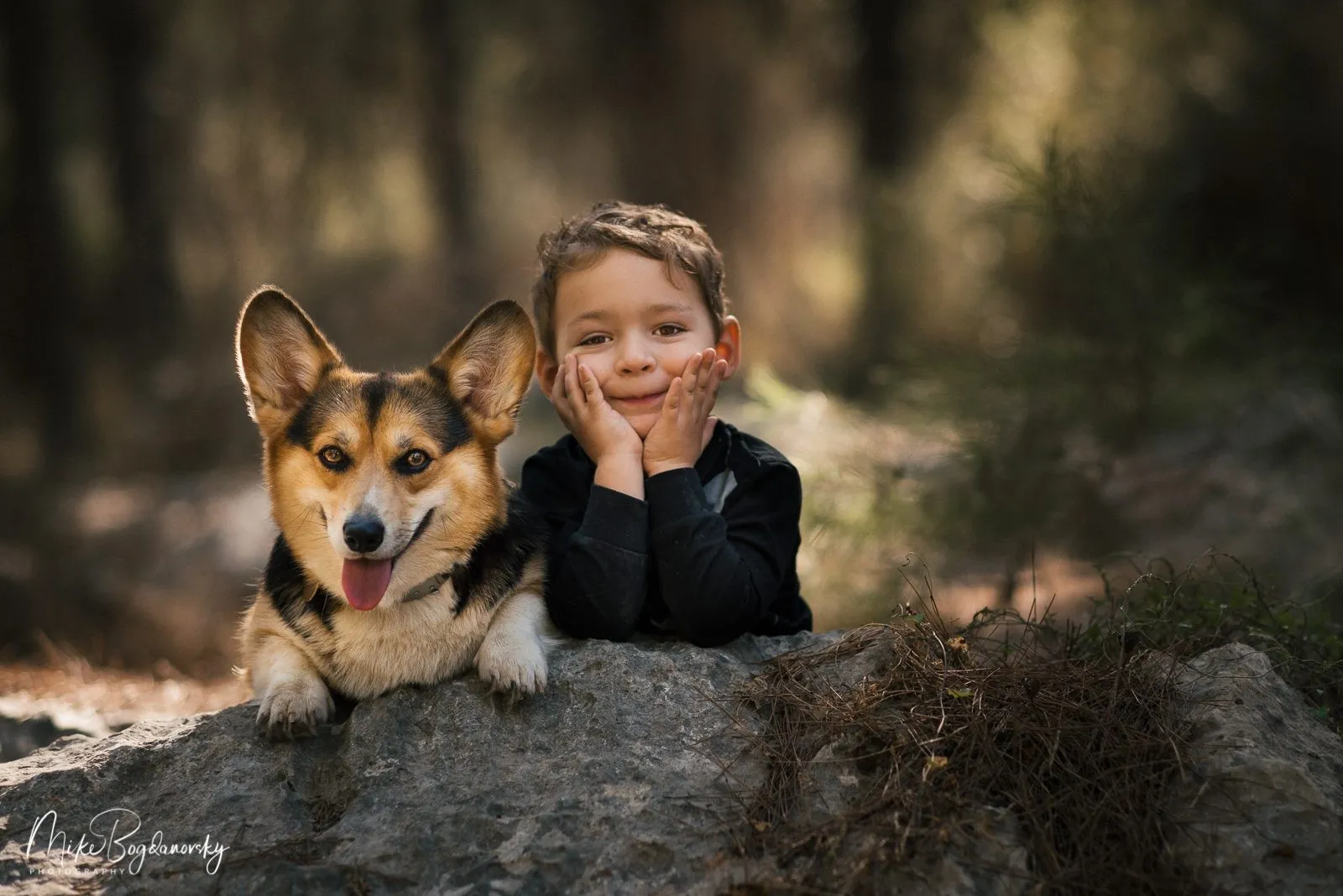
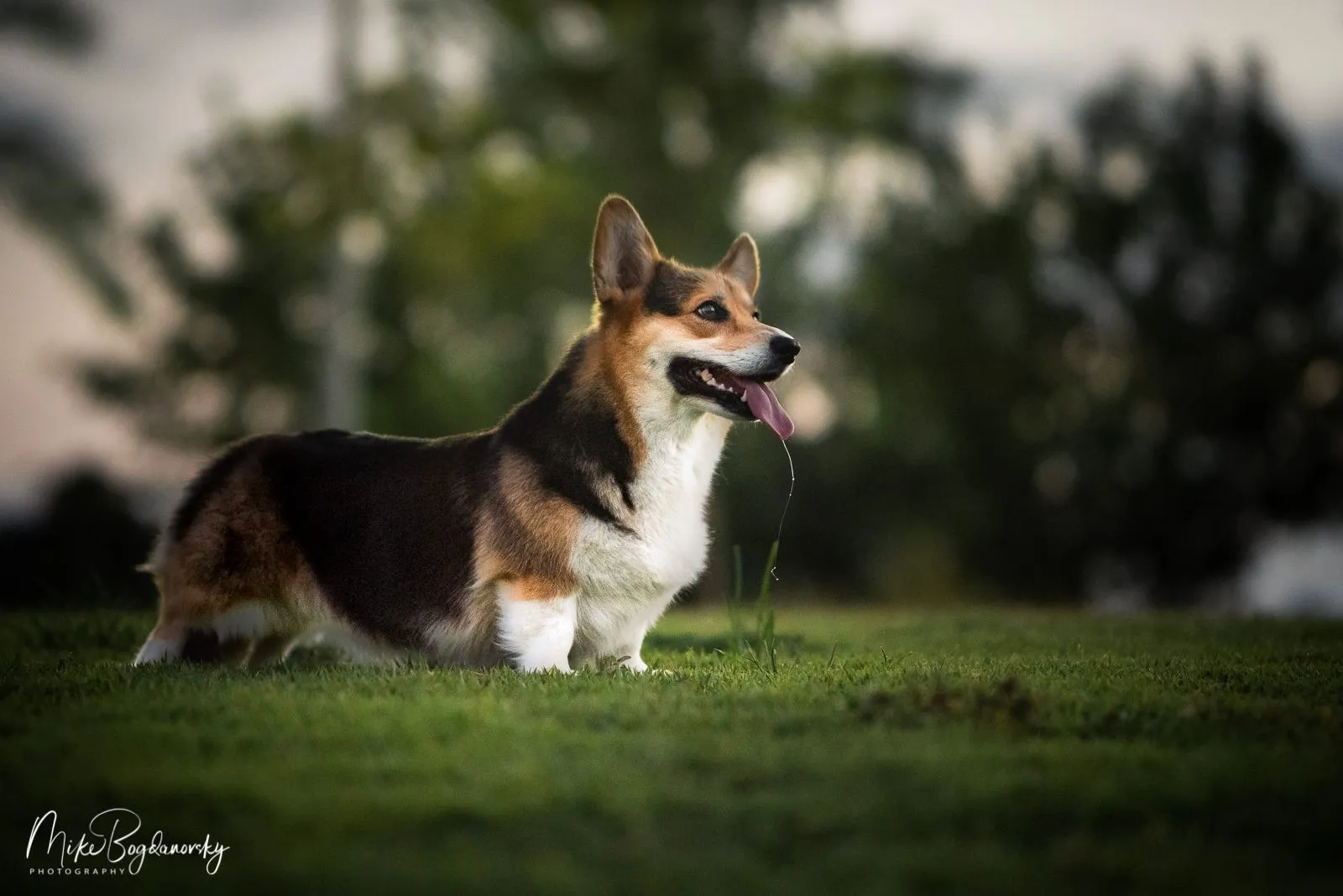
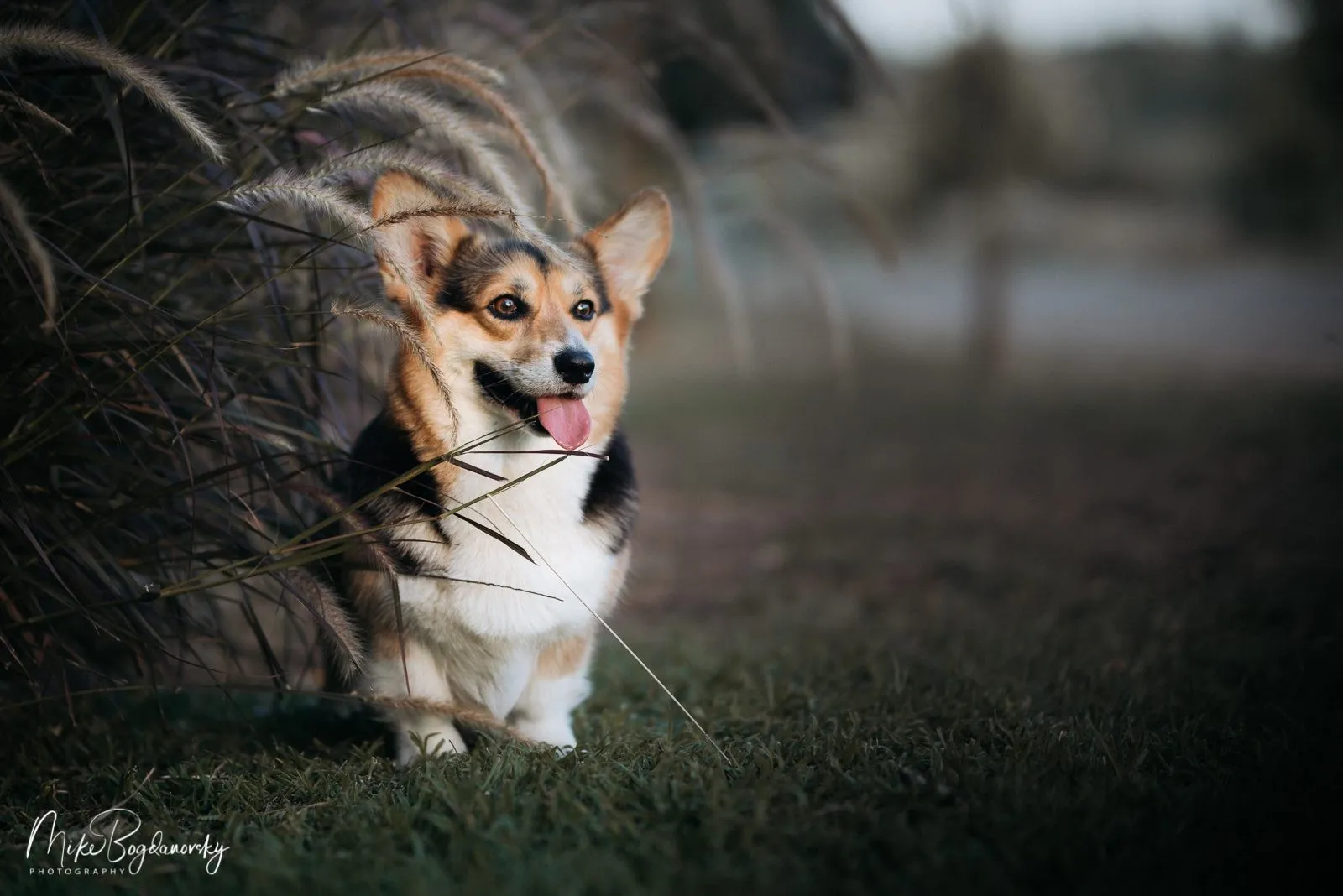
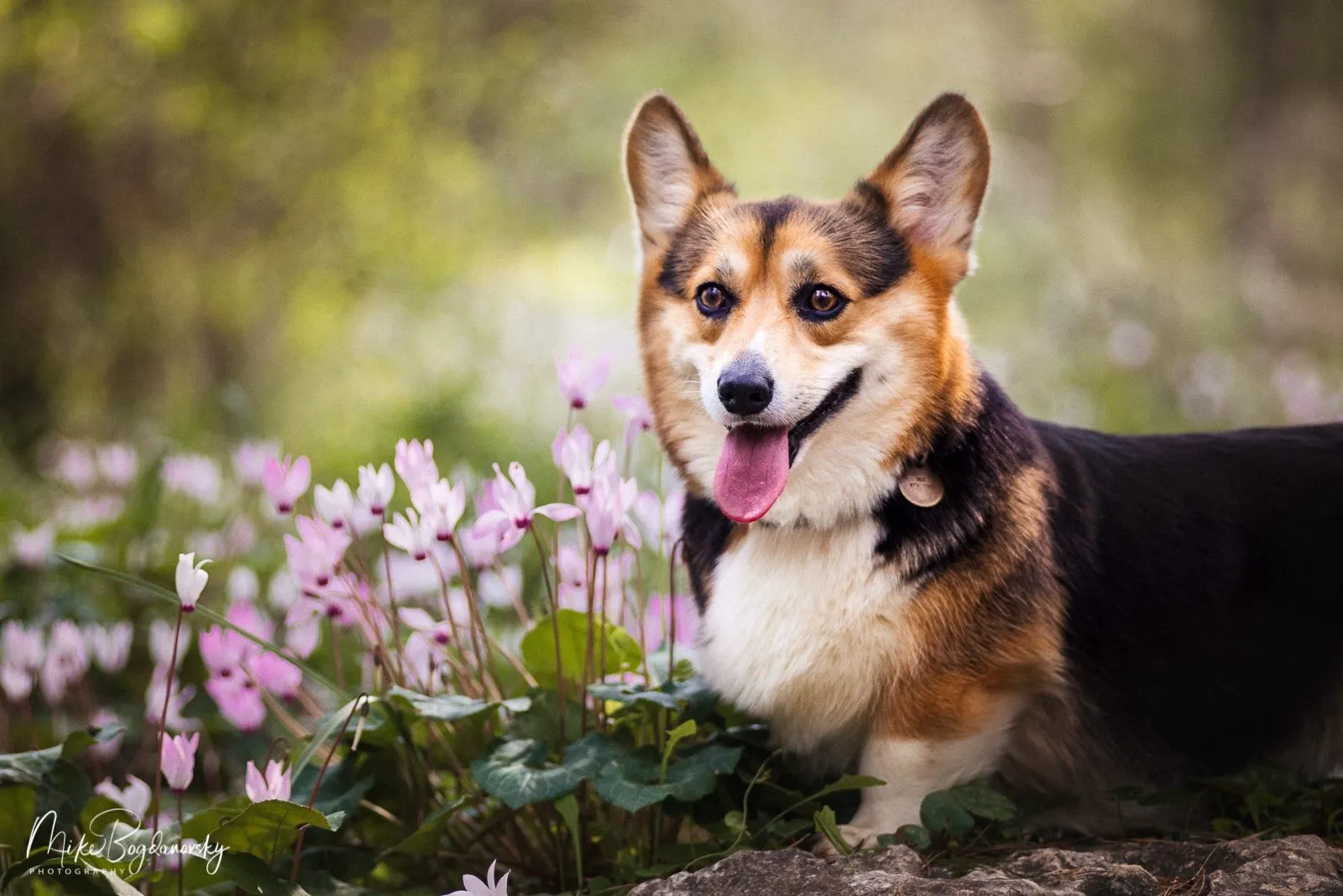
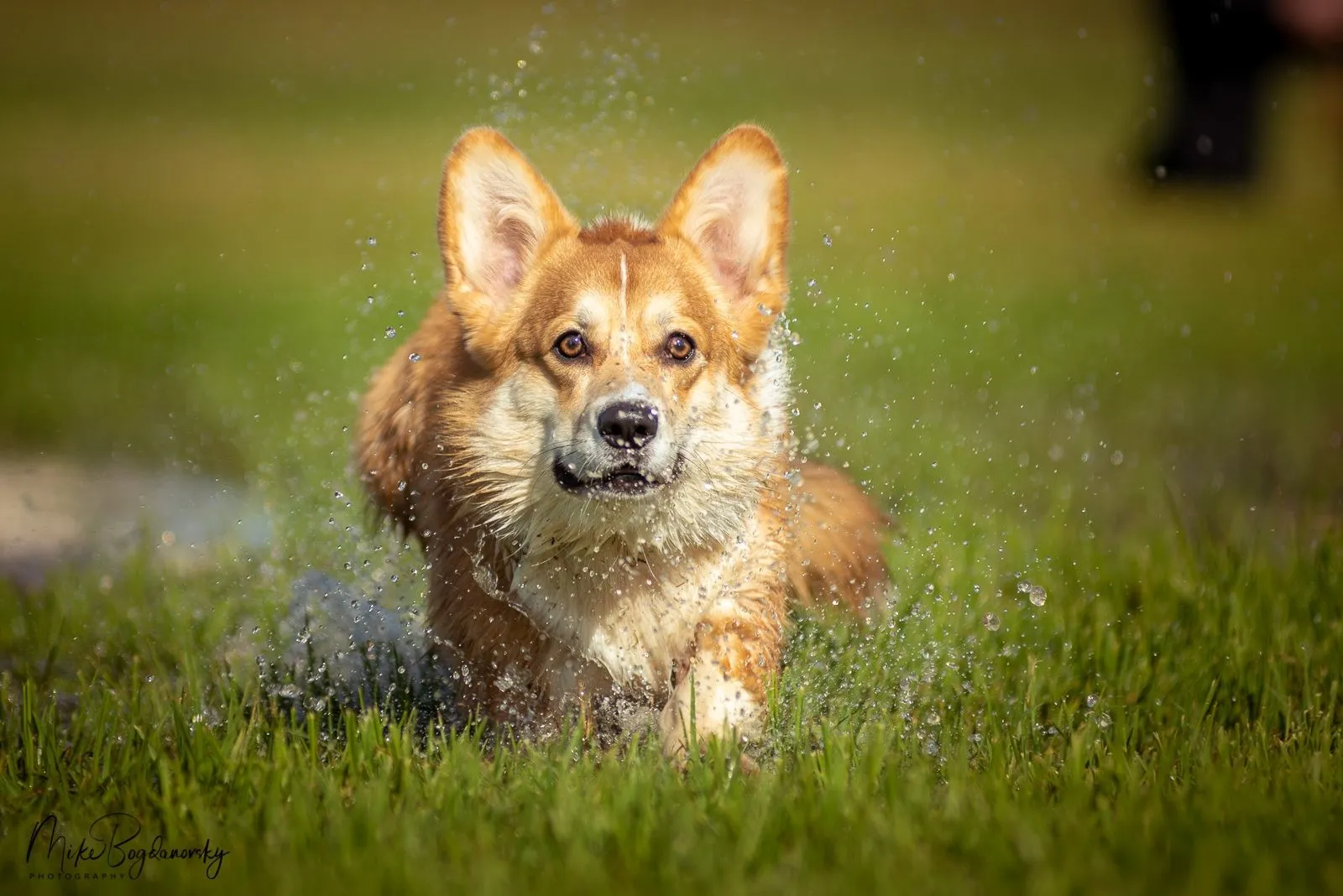
Welsh Corgi Pembroke