Welsh Corgi Pembroke and Cardigan: the difference
There are two Welsh Corgi breeds, and the Cardigan is the older of the two.
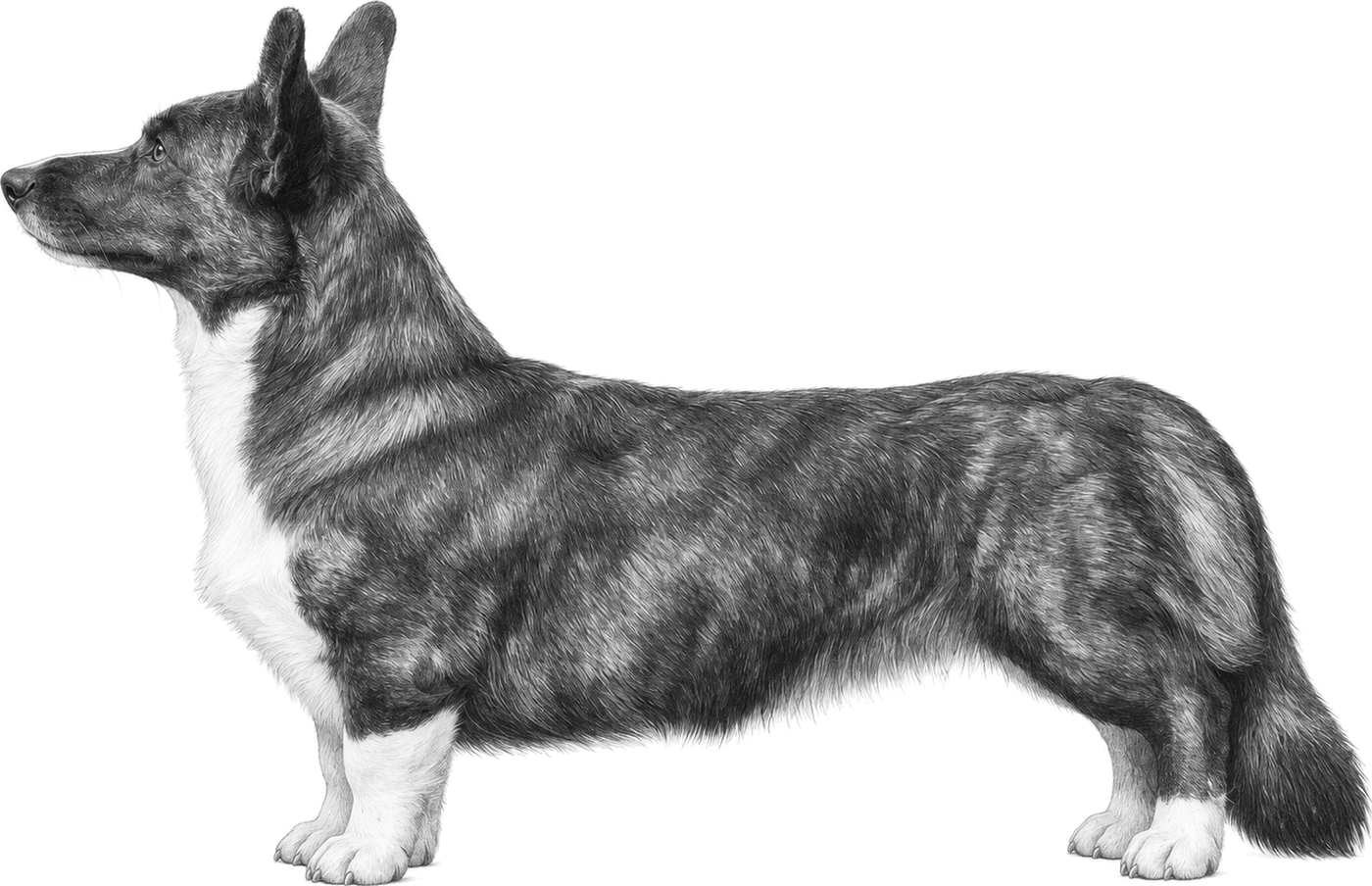 Height at the withers: 30 centimetres
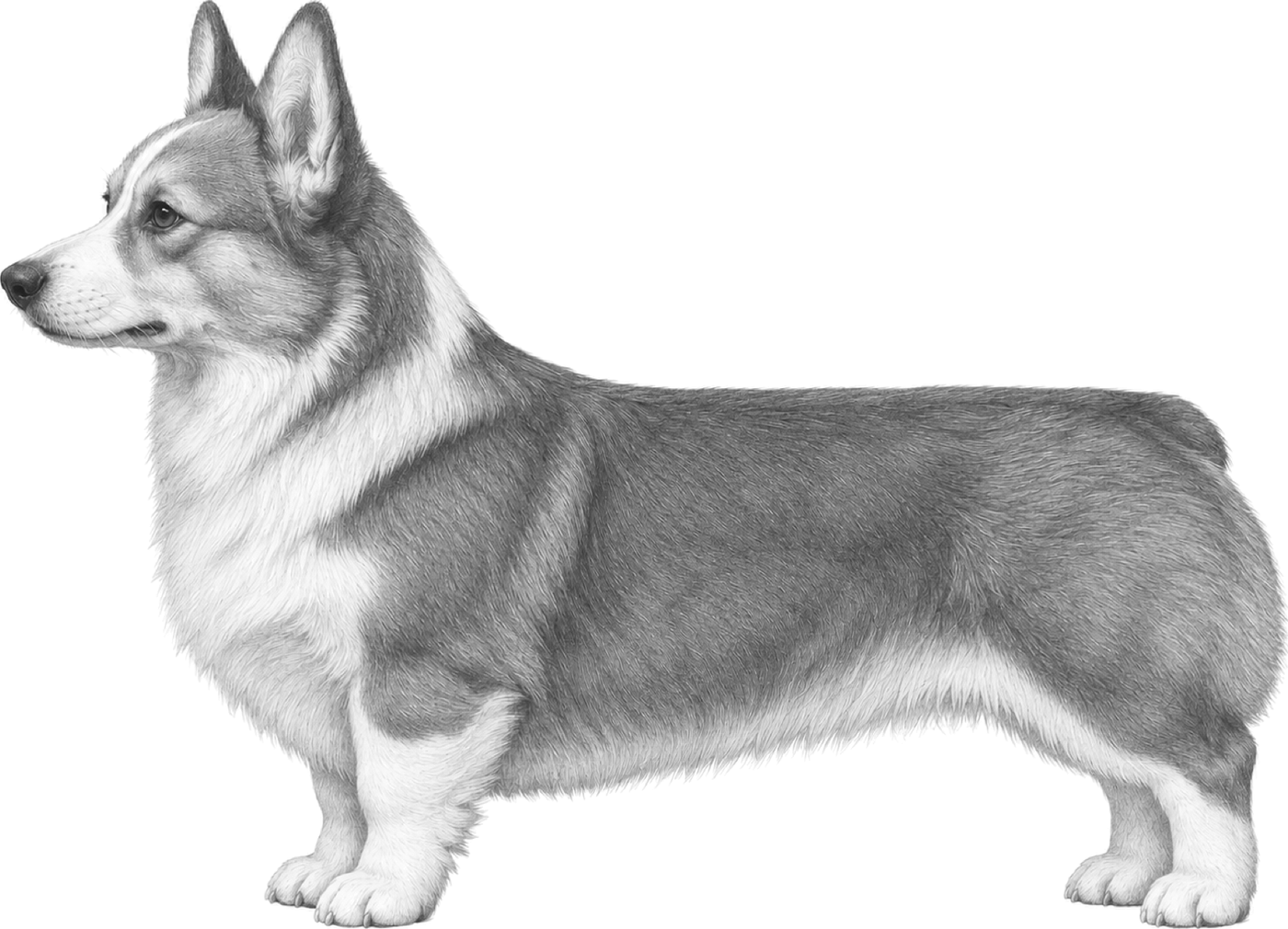 Height at the withers: 25 to 30 centimetres
The Cardigan Welsh Corgi is one of the oldest dog breeds that come from Wales, with a documented history of about 3000 years.
Legends in Wales tell that the corgi is a “magic” dog that the fairies and elves used to pull carriages or to carry warriors on their backs.
| Trait | Welsh Corgi Cardigan | Welsh Corgi Pembroke |
|---|---|---|
| Height at the withers | 30 cm, ideal | 25–30 cm |
| Weight | No set weight: in proportion to size, balance first | Males 10–12 kg Females 9–11 kg |
| Body length | Long in proportion to height; body fairly long and strong | Medium length, not short-coupled |
| Build | Sturdy, tough and mobile, built for endurance; strong bone; legs short, body well clear of the ground | Low set, strong and sturdy: substance and stamina in a small space; ample bone right down to the feet |
| Ears | 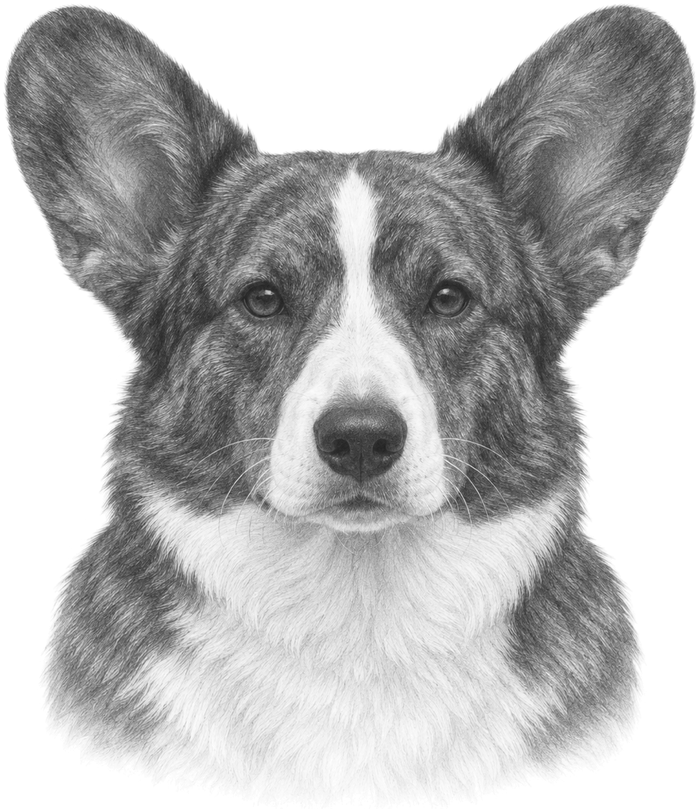 Erect and rather large for the dog; tips slightly rounded; moderately wide at the base, set about 8 cm apart | 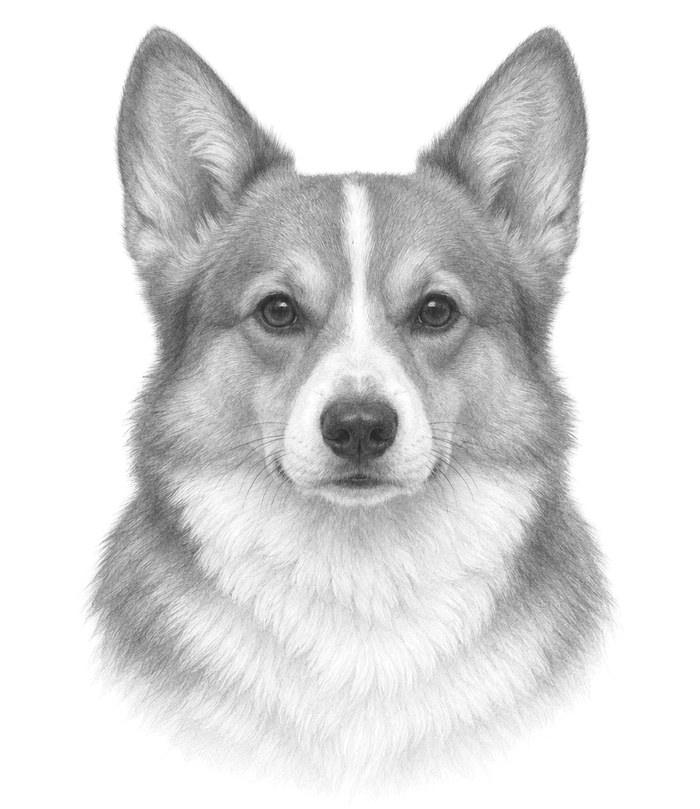 Pricked, medium size, slightly rounded; a line from the nose through the eye runs to the ear tip |
| Skull and muzzle | Skull wide and flat, narrowing to the eyes and slightly domed above them; muzzle moderately tapered | Skull fairly wide and flat; muzzle slightly tapered |
| Eyes | Medium size, rather wide set, corners clearly defined; dark or blending with the coat; blue allowed only in blue merles | Round, medium size, brown, blending with the coat |
| Forelegs | Forearm slightly bowed to fit round the chest; elbows close to the sides | Forearm short and as straight as possible; upper arm moulded round the chest; elbows close to the sides |
| Feet | Round, tight, rather large, well padded; front feet turned slightly out | Oval, tight; the two middle toes slightly ahead of the outer two |
| Chest | Moderately broad, with a prominent breastbone; deep | Broad and deep, well let down between the forelegs |
| Tail | 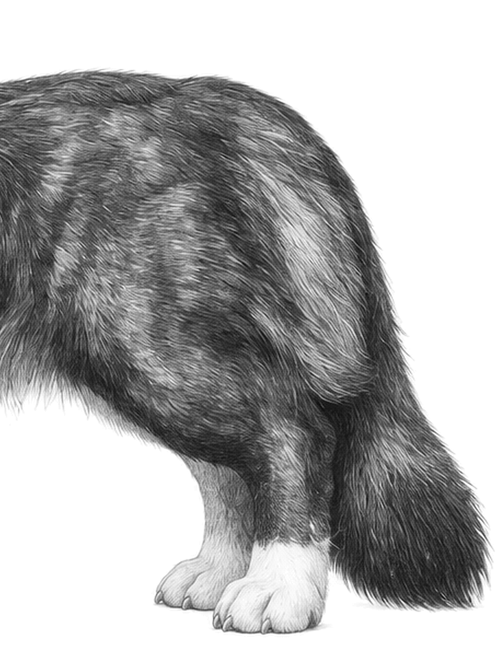 Like a fox’s brush, set in line with the body, reaching to or nearly to the ground; carried low when standing, may lift a little above the body when moving, never curled over the back | 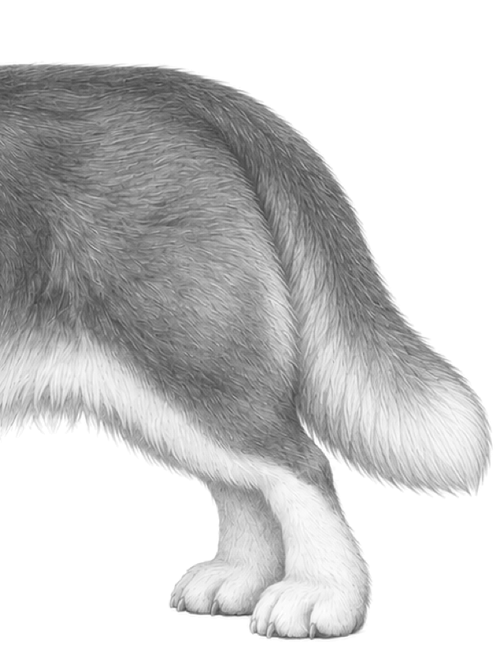 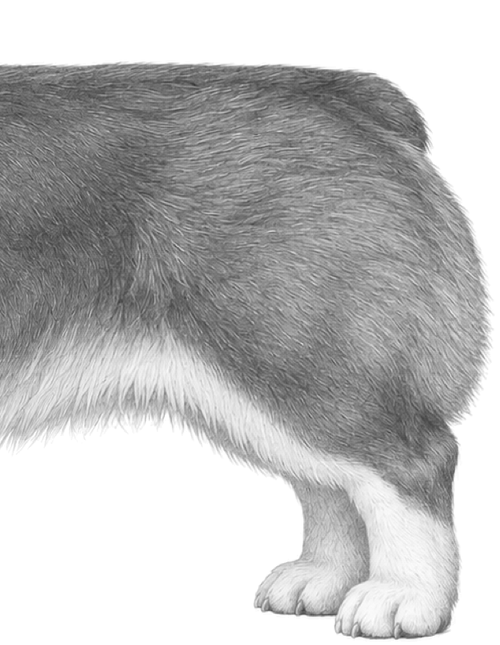 Undocked: set in line with the back; when moving or alert carried naturally, above or below the line of the back; natural bobtails of any length occur; formerly docked short |
| Coat | Short or medium, hard texture, weather-proof, good undercoat; preferably straight | Medium length, straight, dense undercoat; never soft, wavy or wiry |
| Colours |
White markings allowed; white never dominant and never around the eyes |
With or without white on the legs, chest and neck; some white on the head allowed |
| Temperament | Alert, active and intelligent; steady, never shy or aggressive | Bold, workmanlike; outgoing and friendly, never nervous or aggressive |
| Origin | Cardiganshire, Wales | Pembrokeshire, Wales |
Recognised as two separate breeds in 1934.
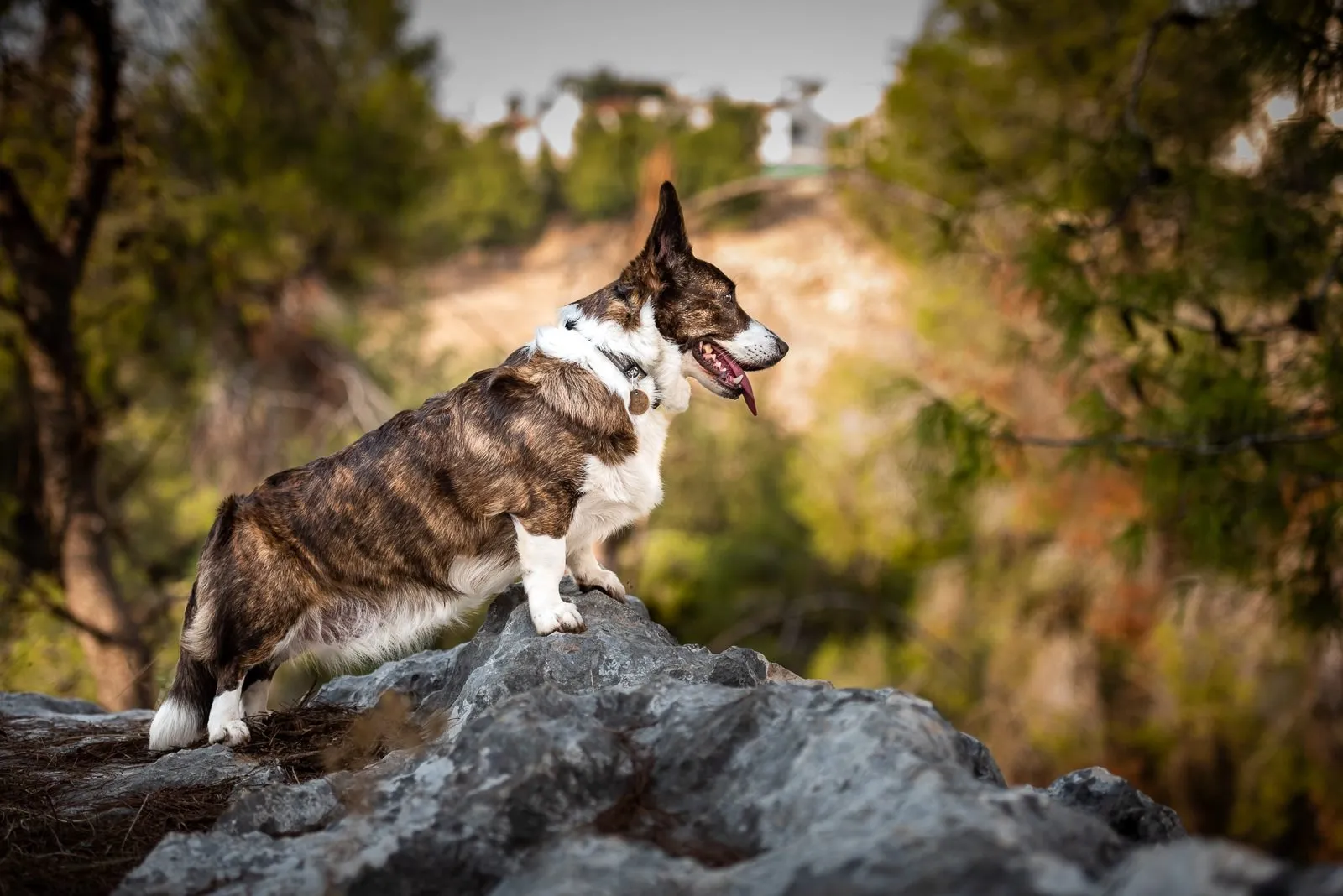
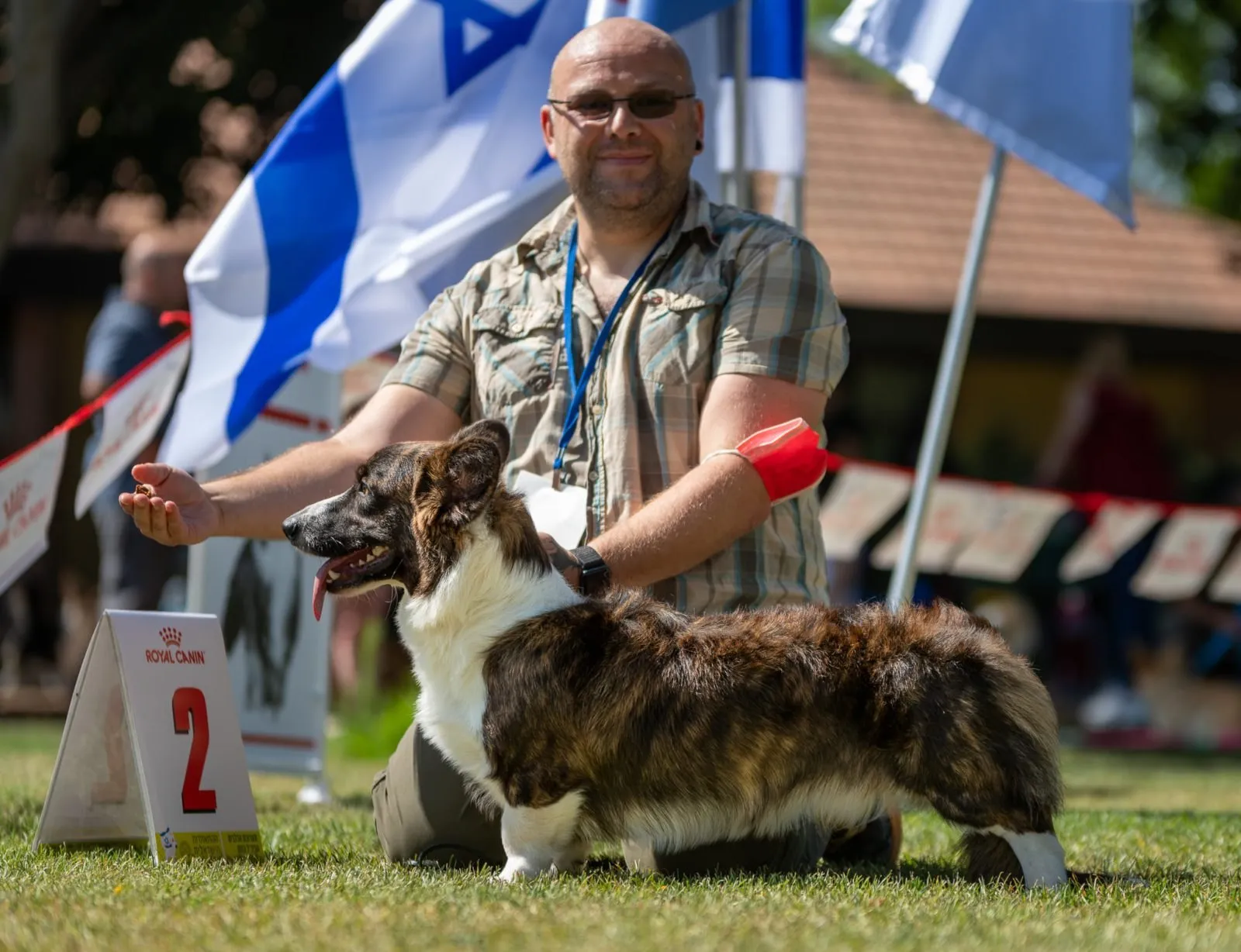
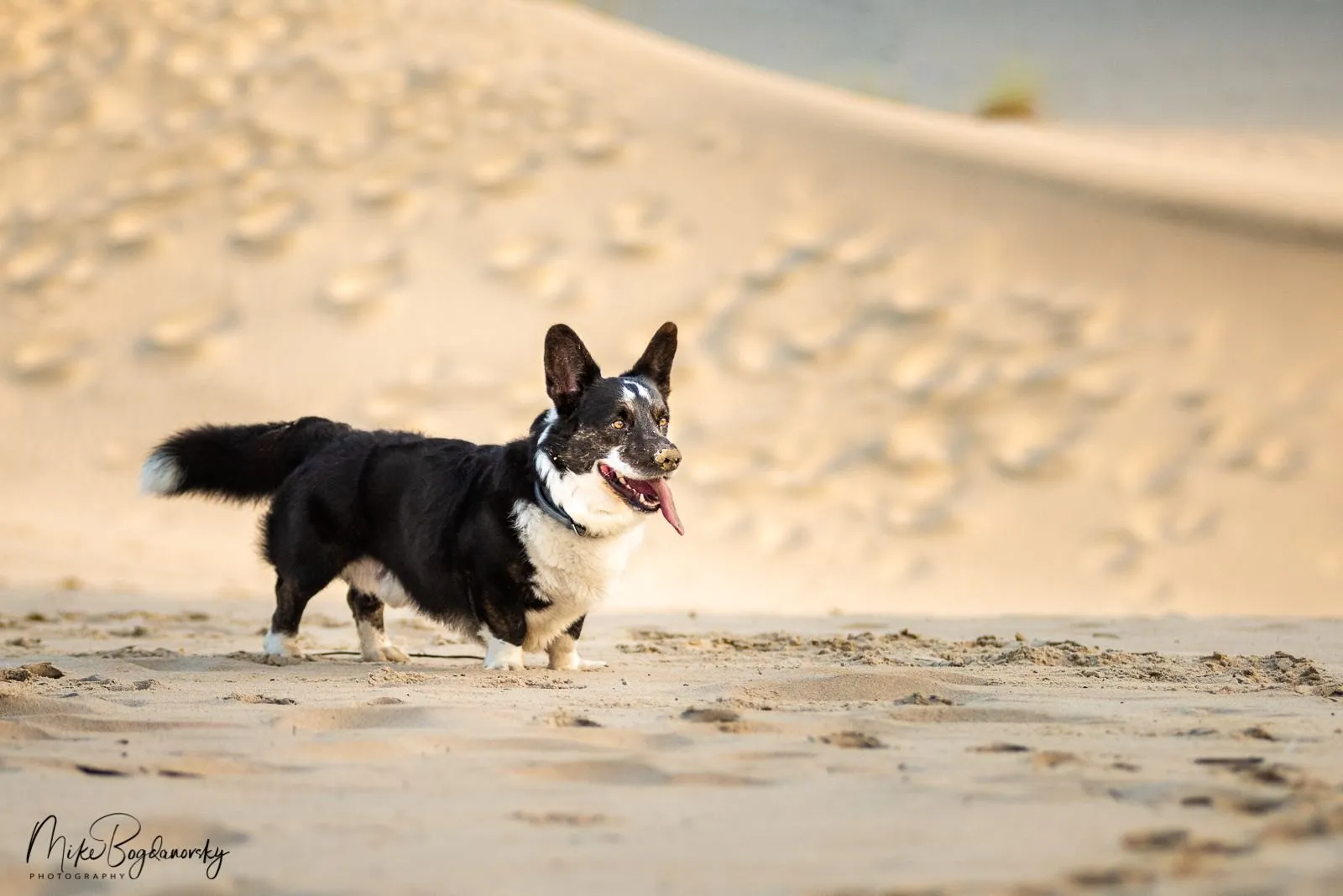
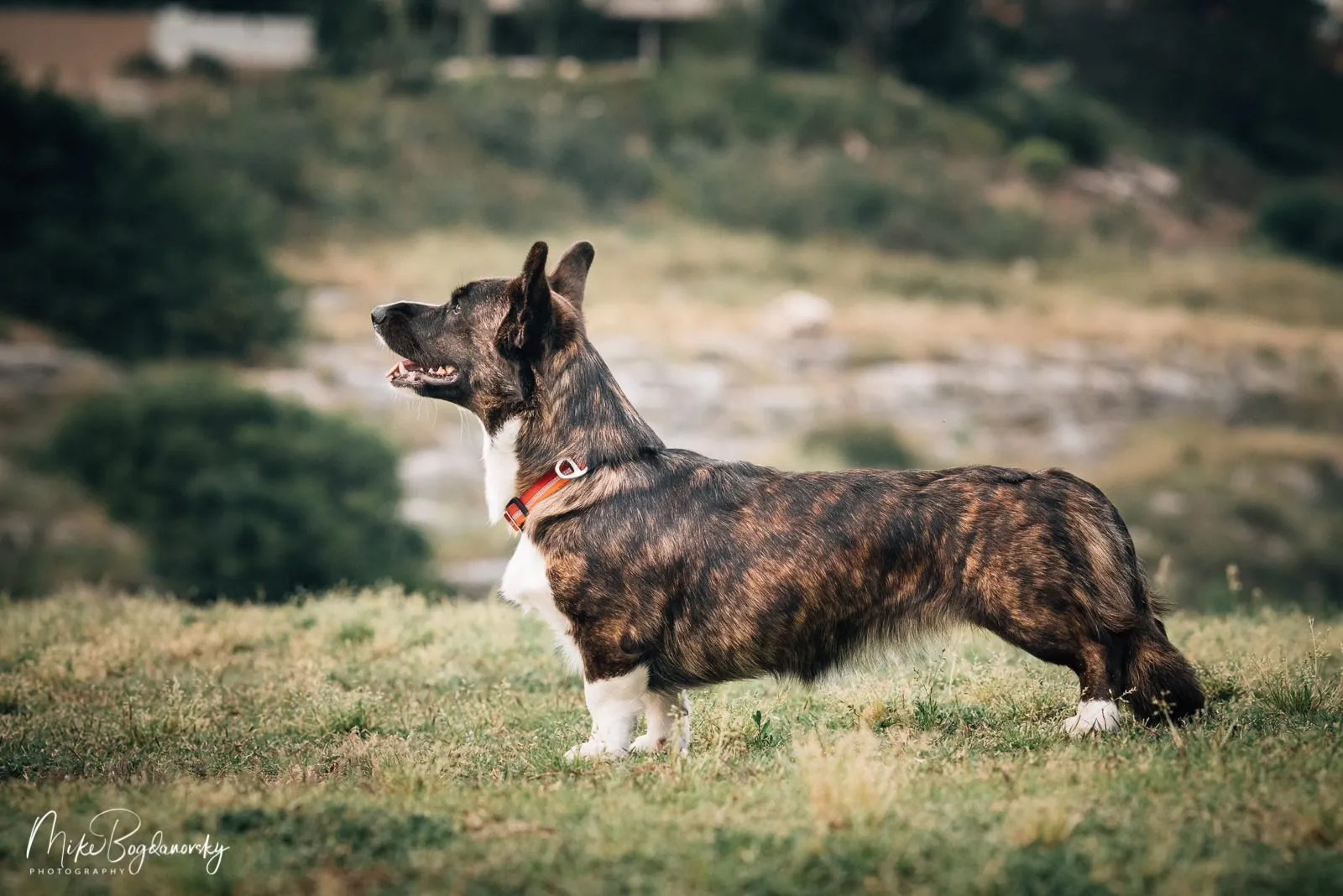
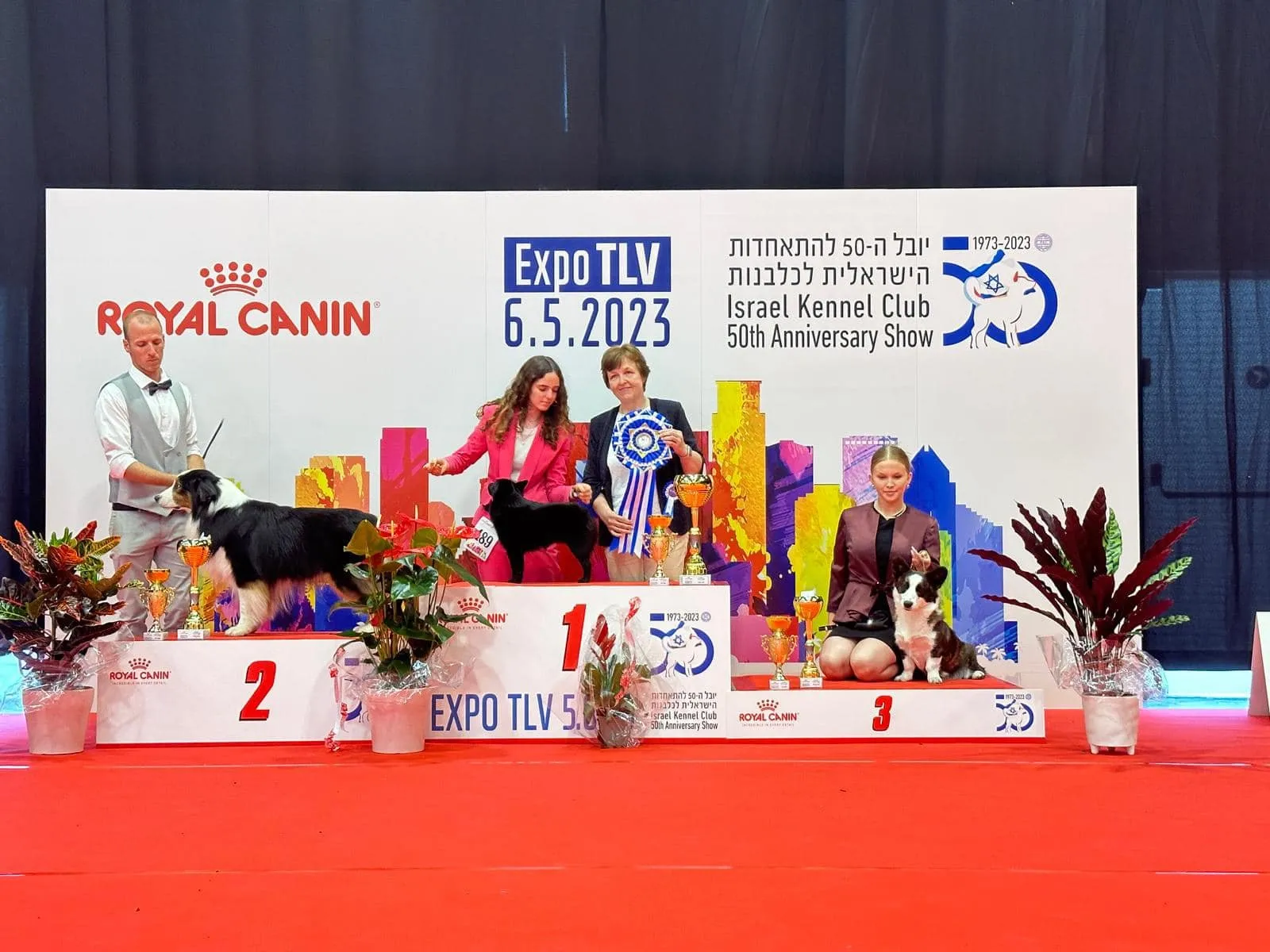
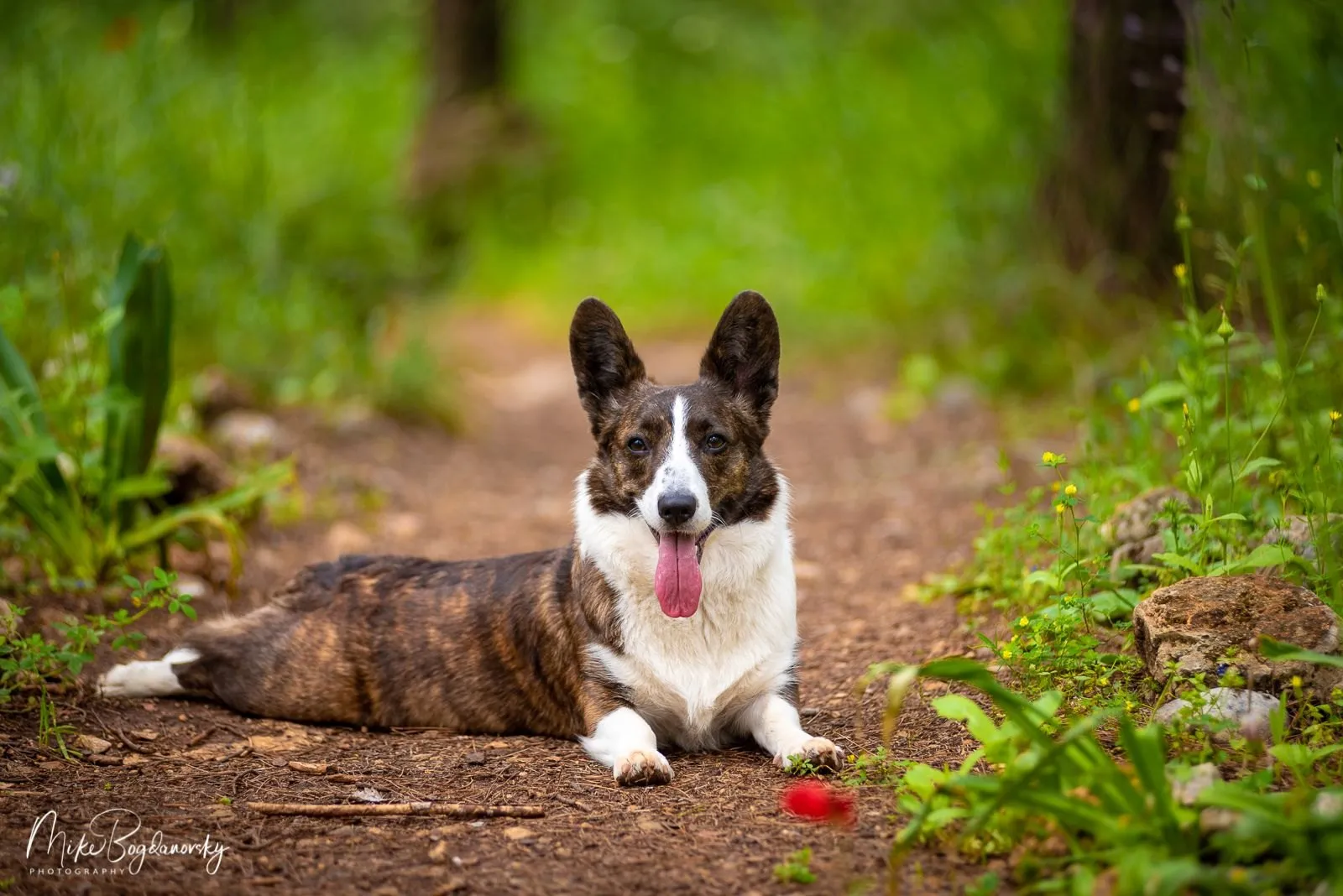
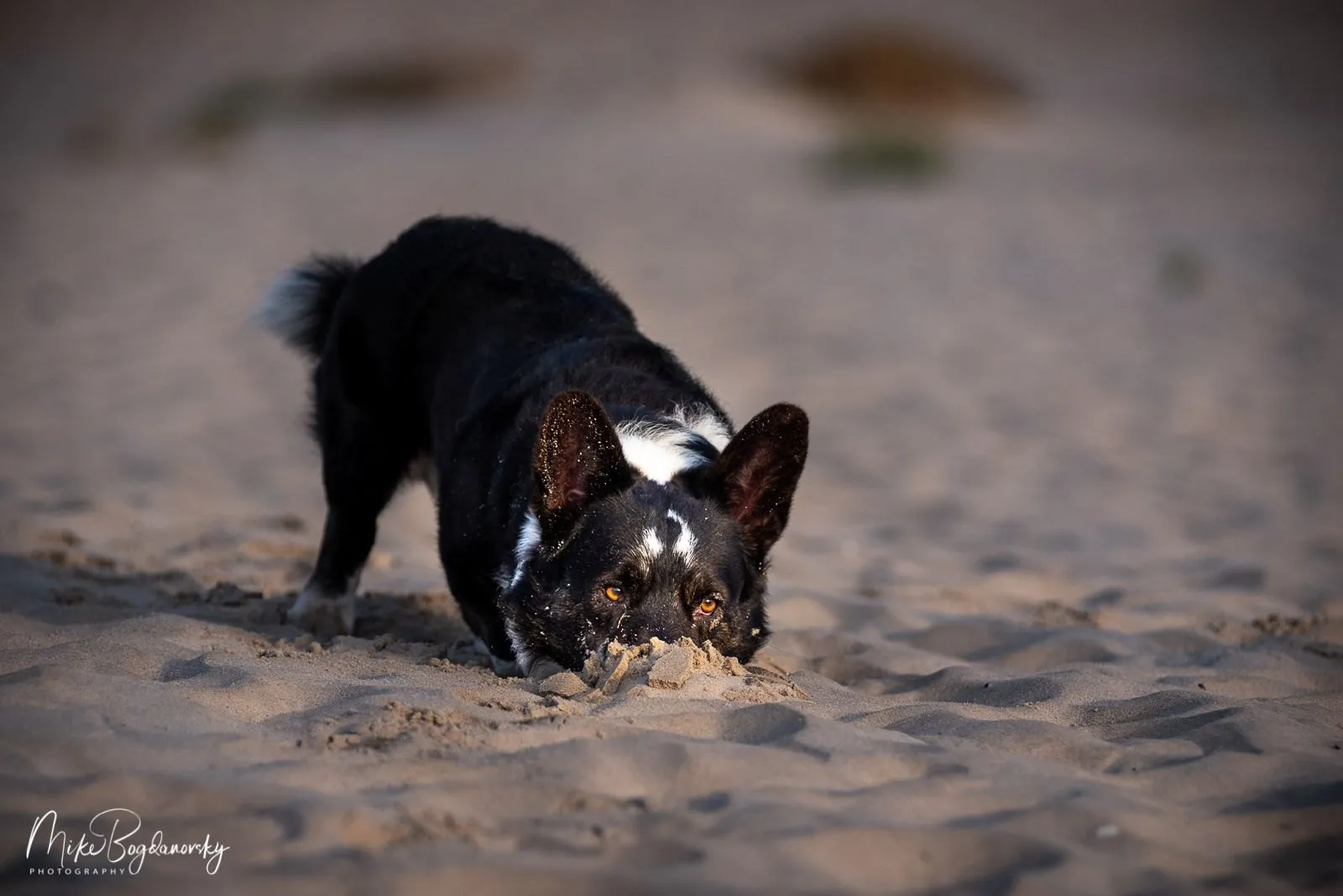
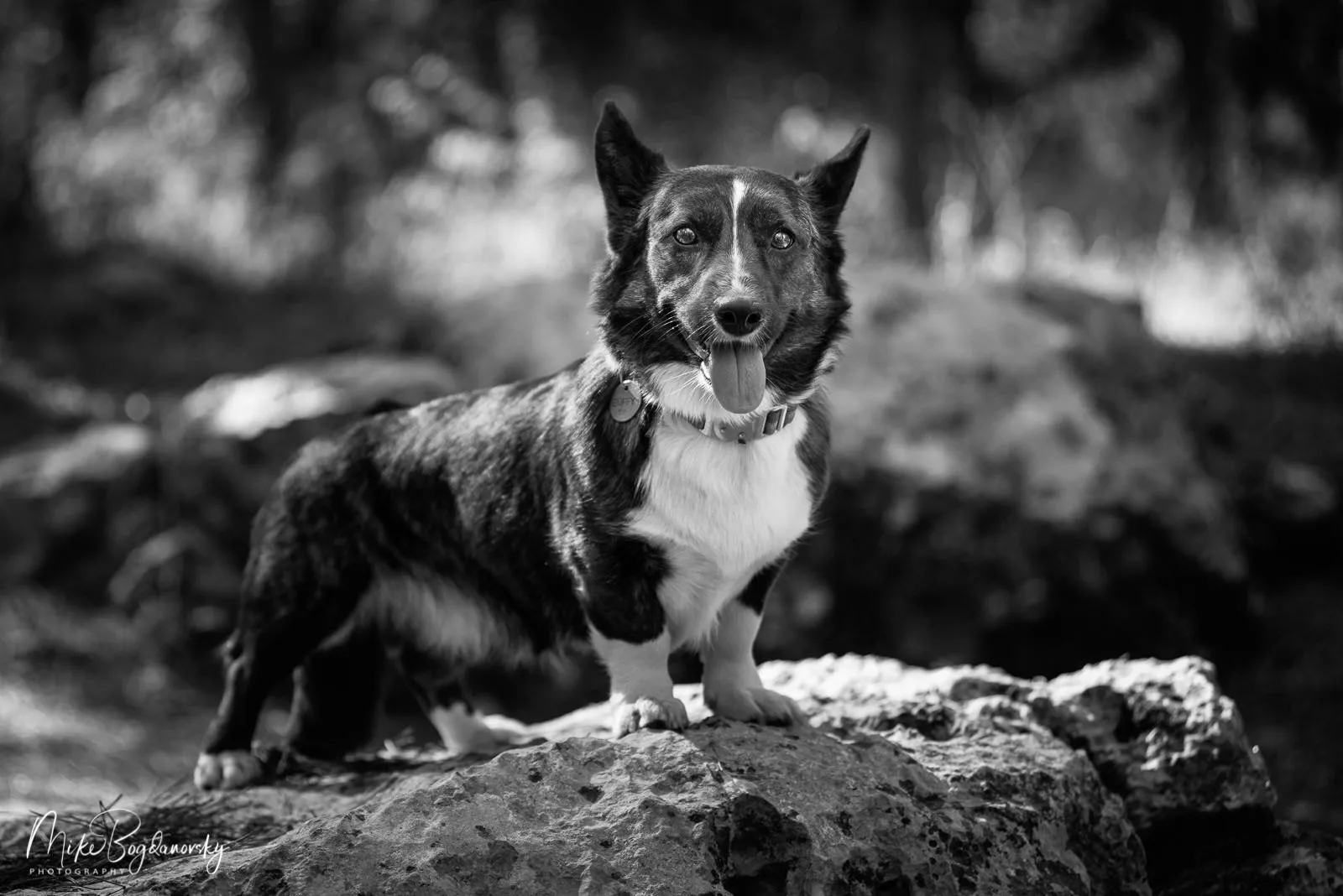
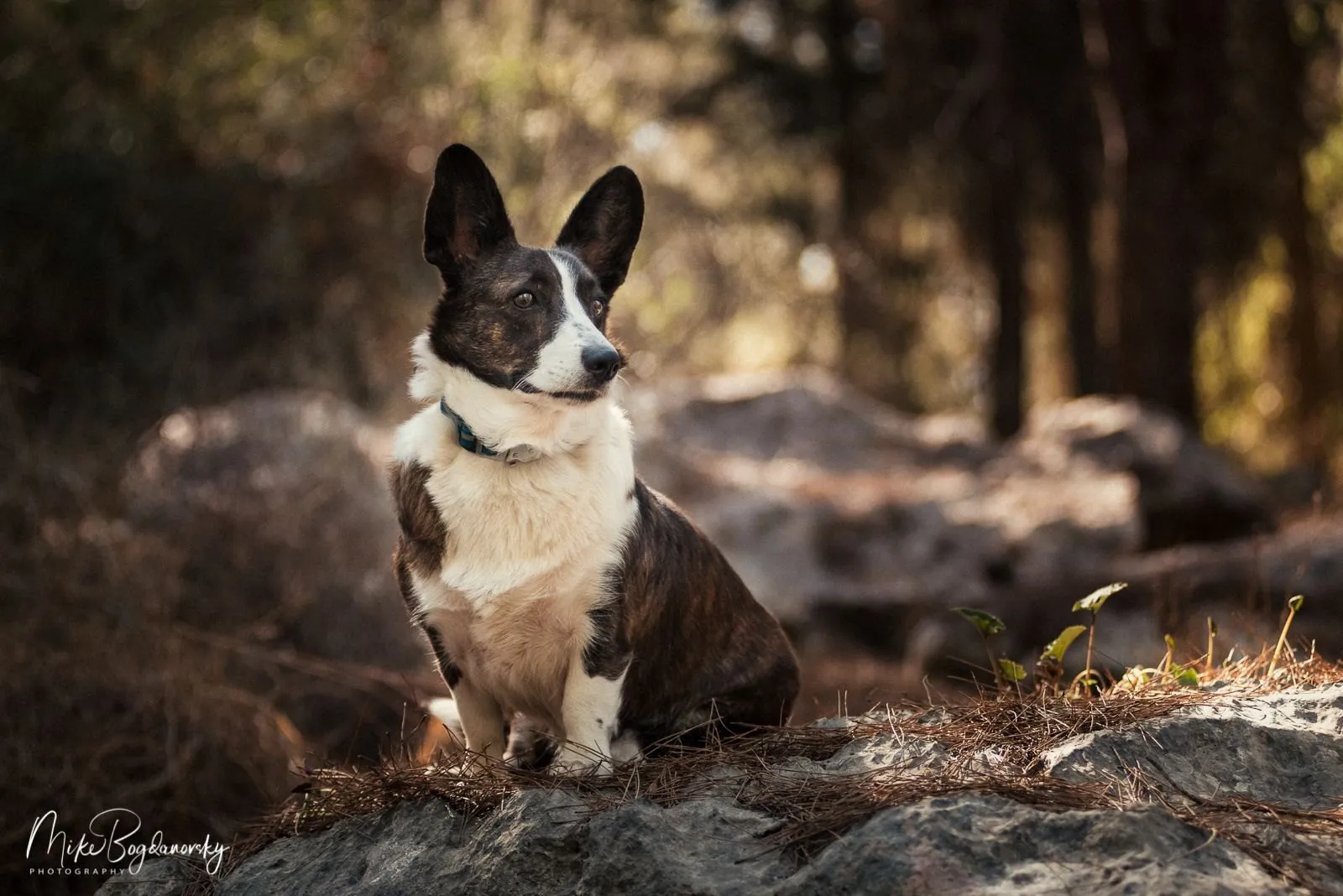
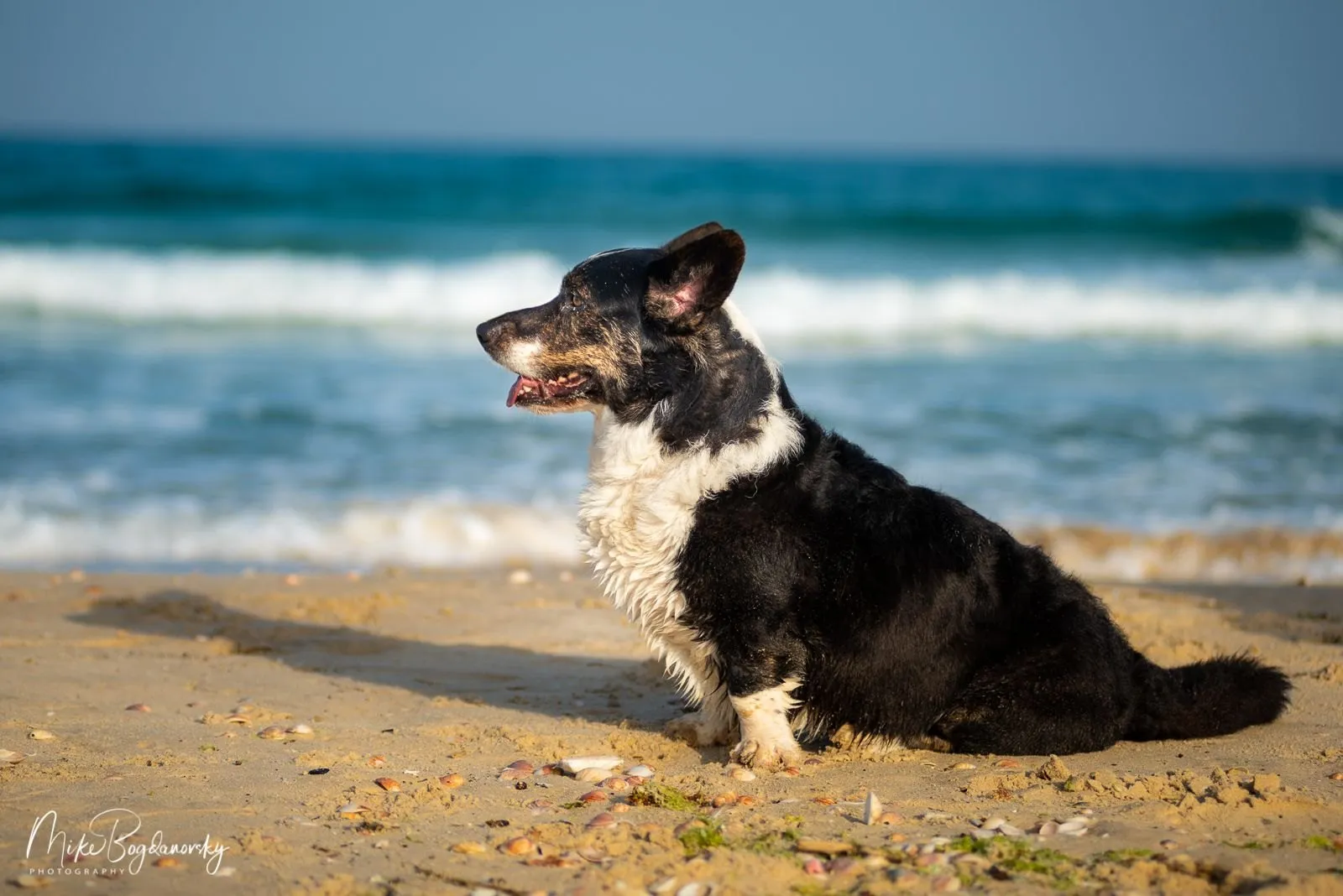
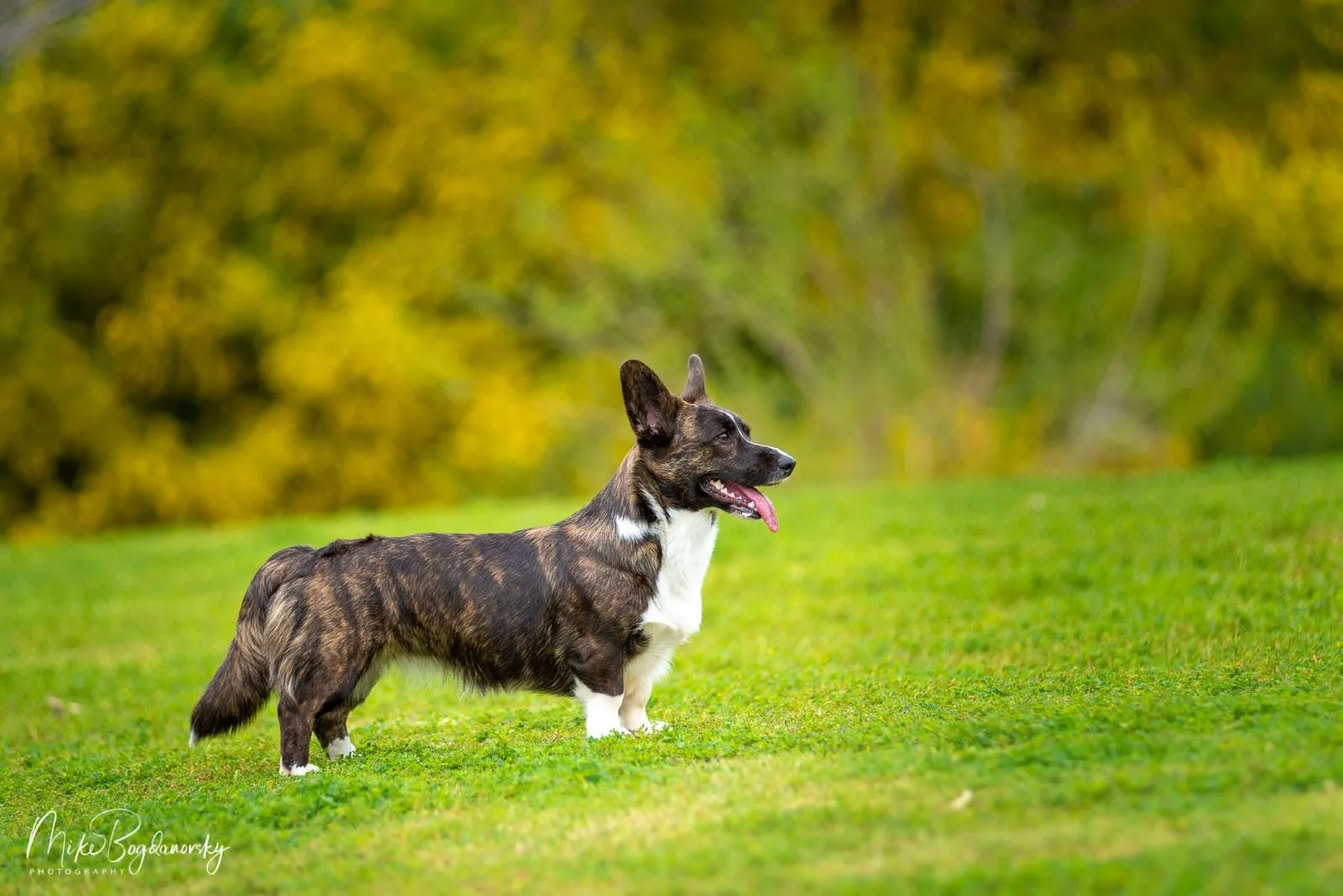
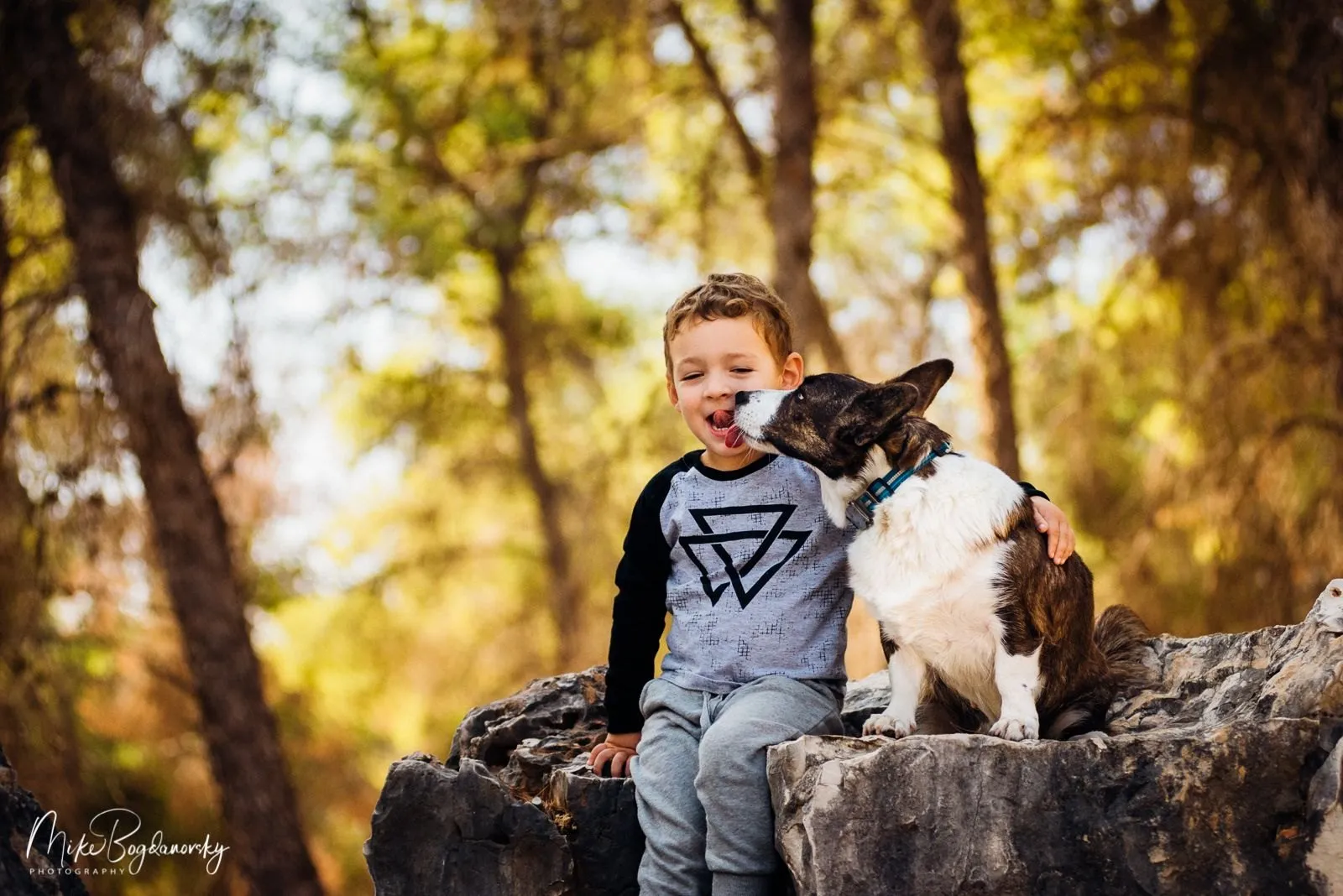
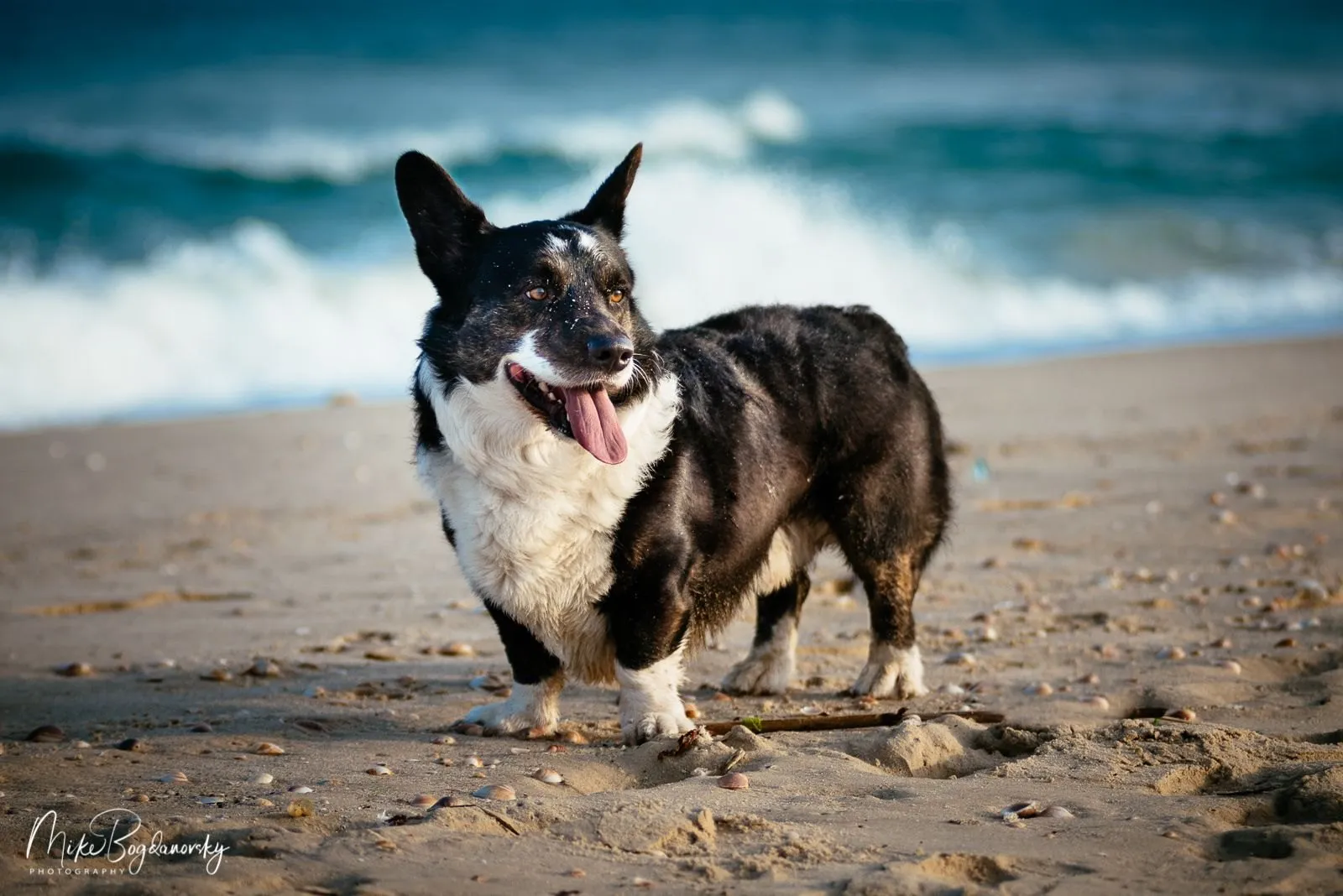
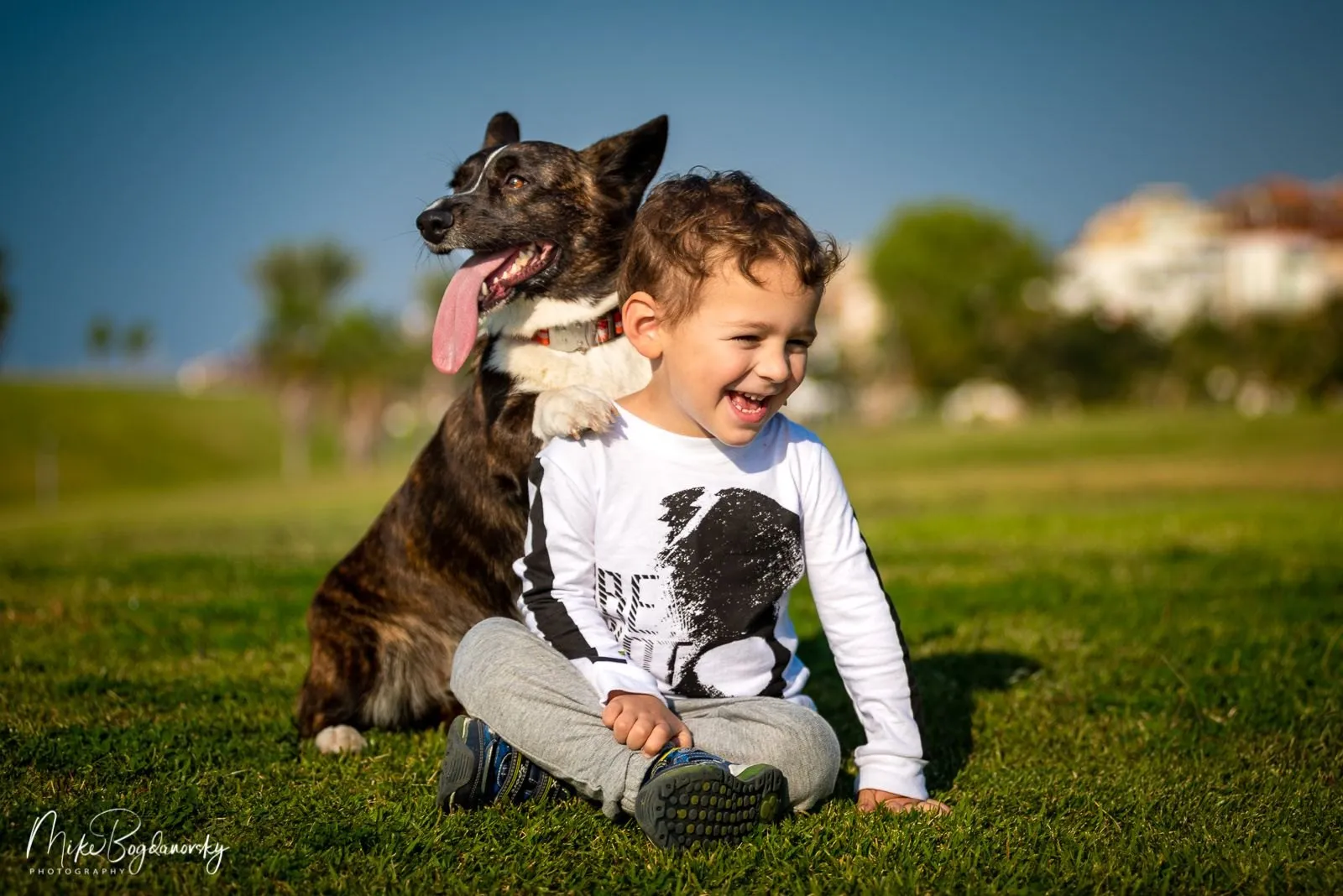
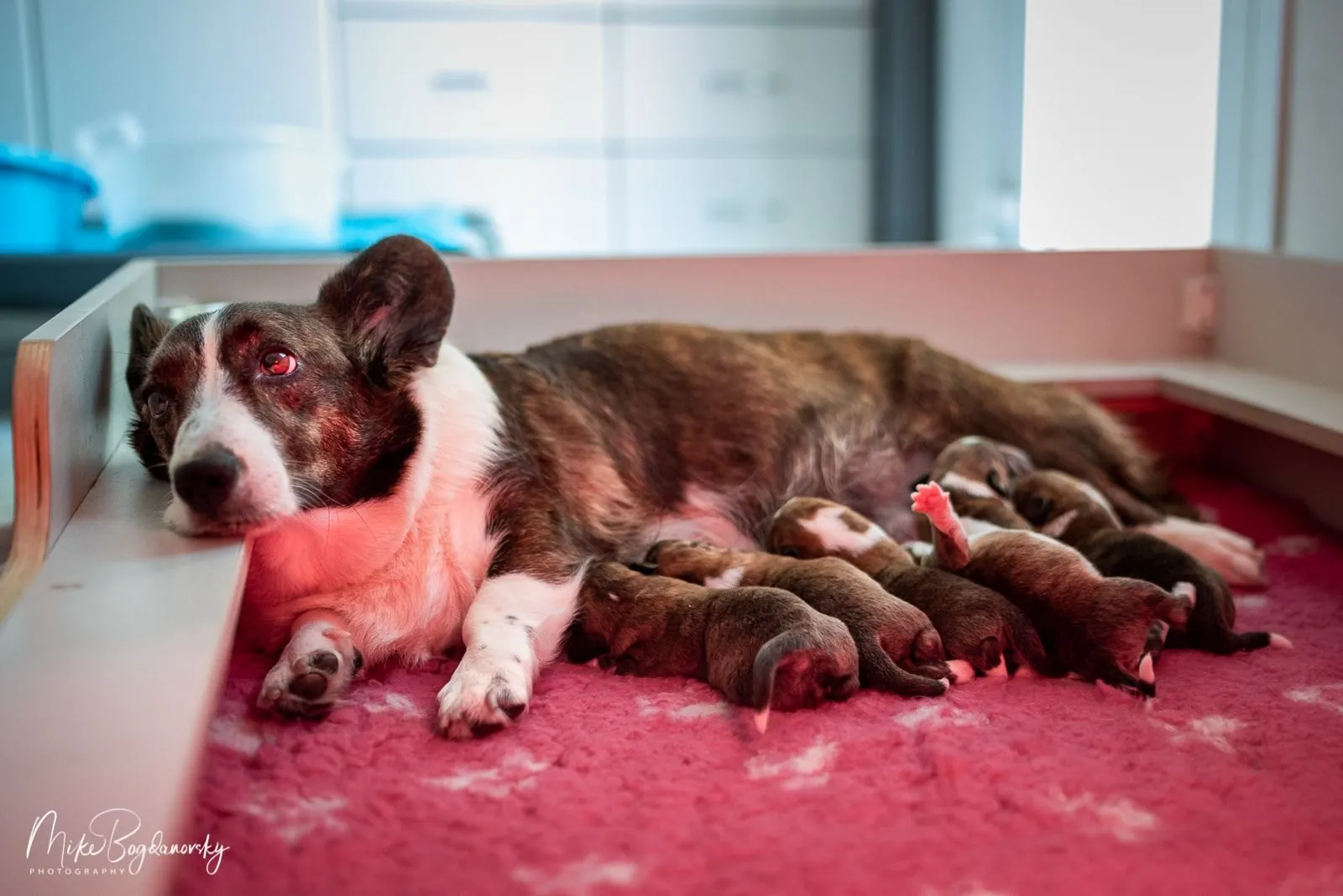
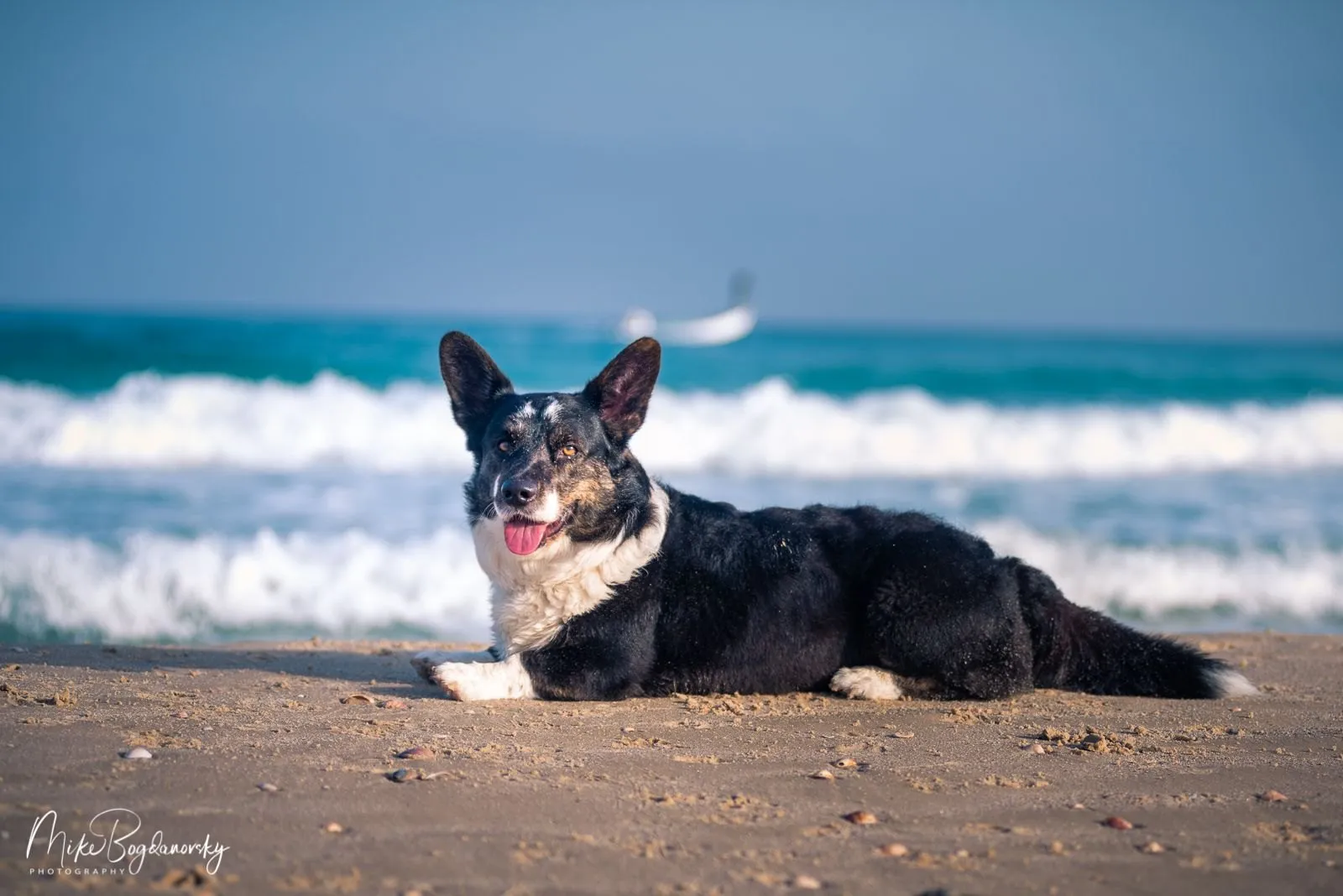
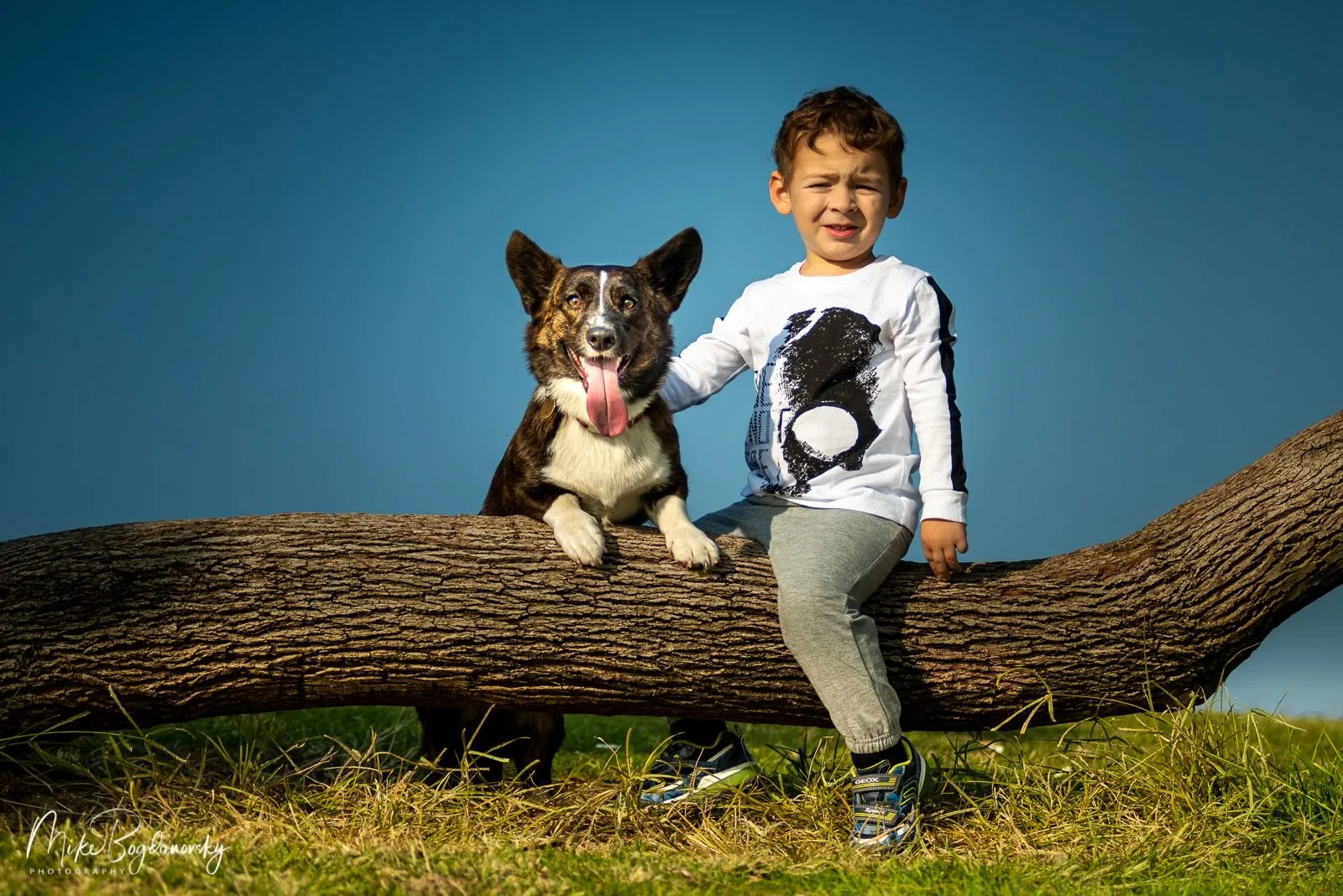
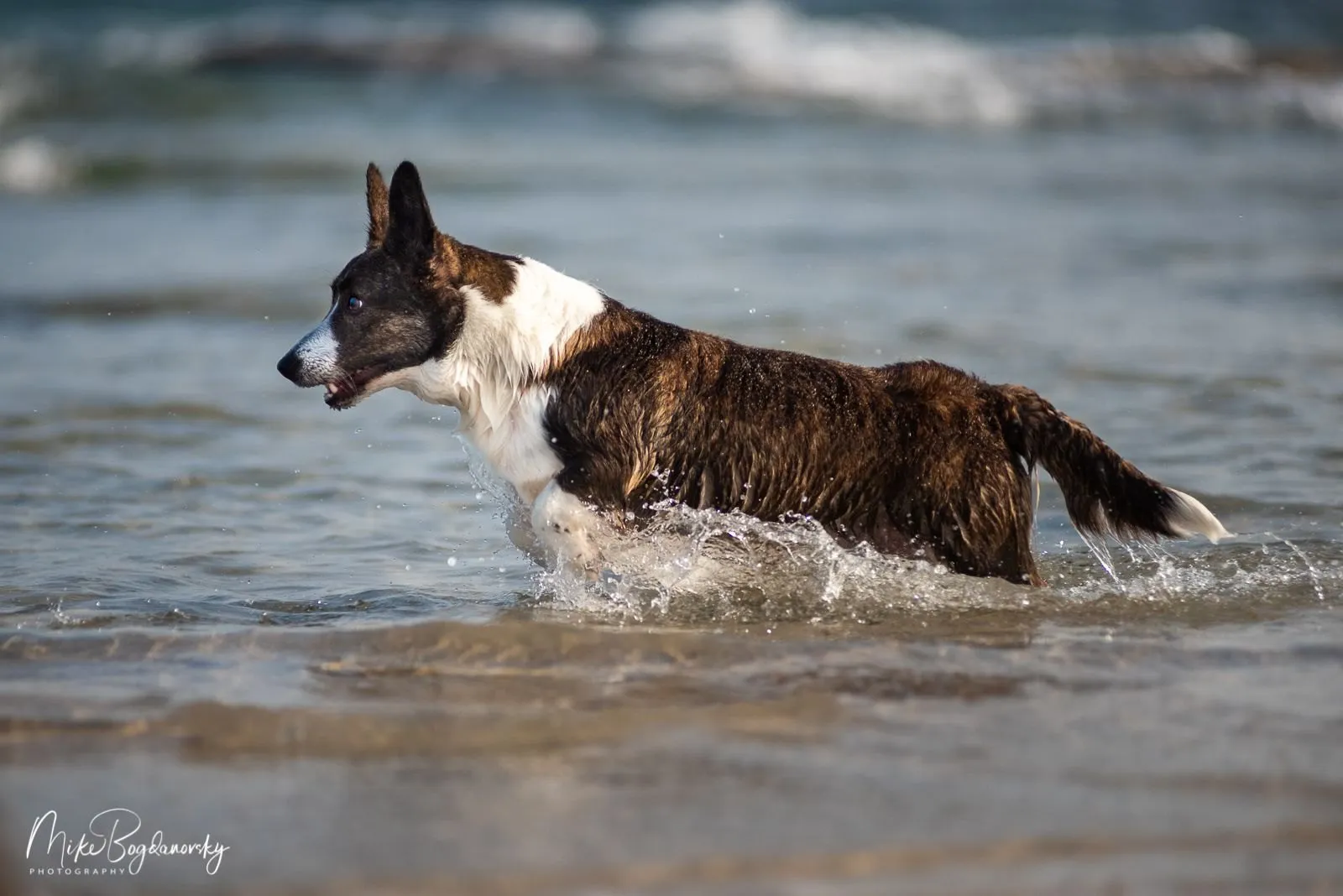
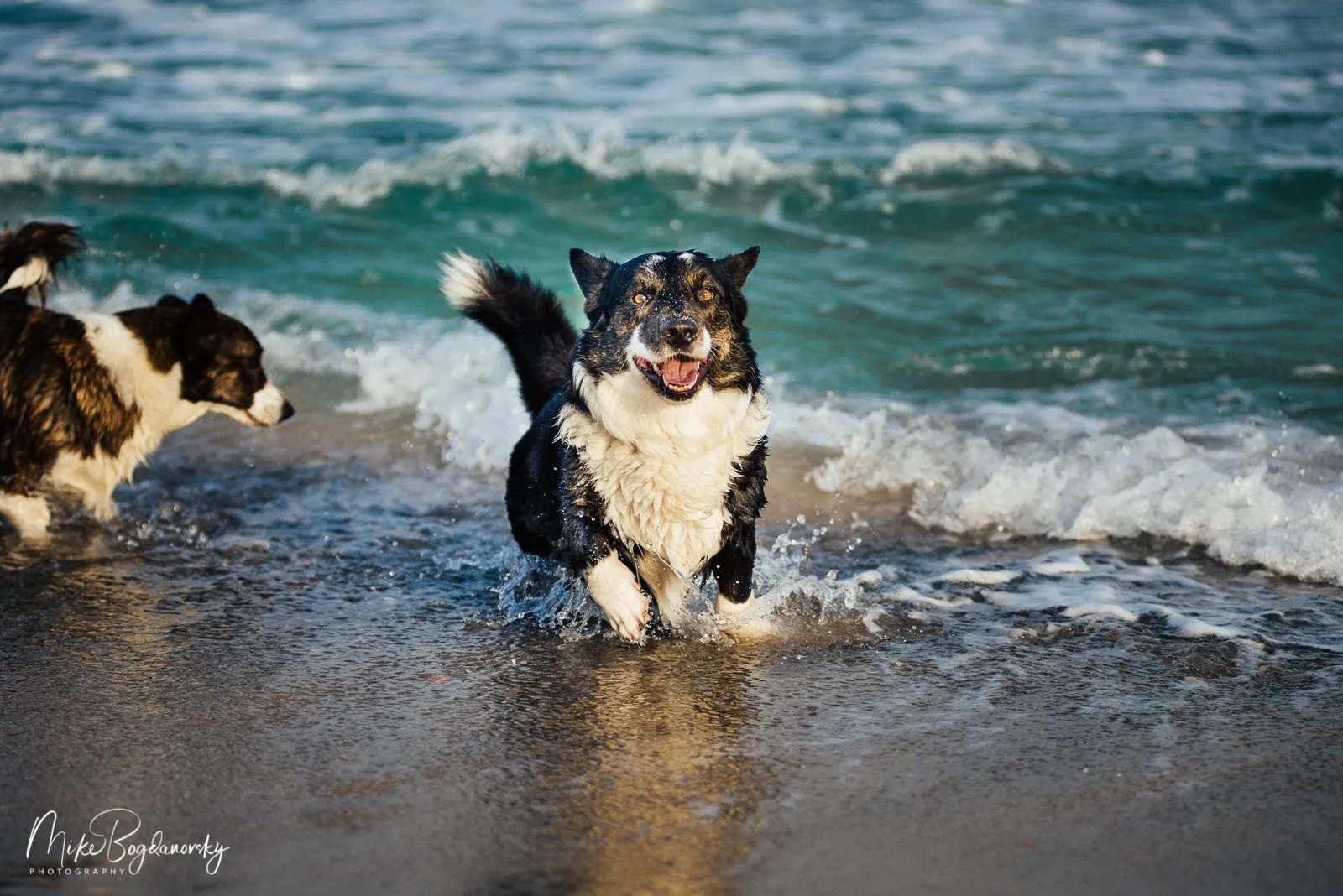
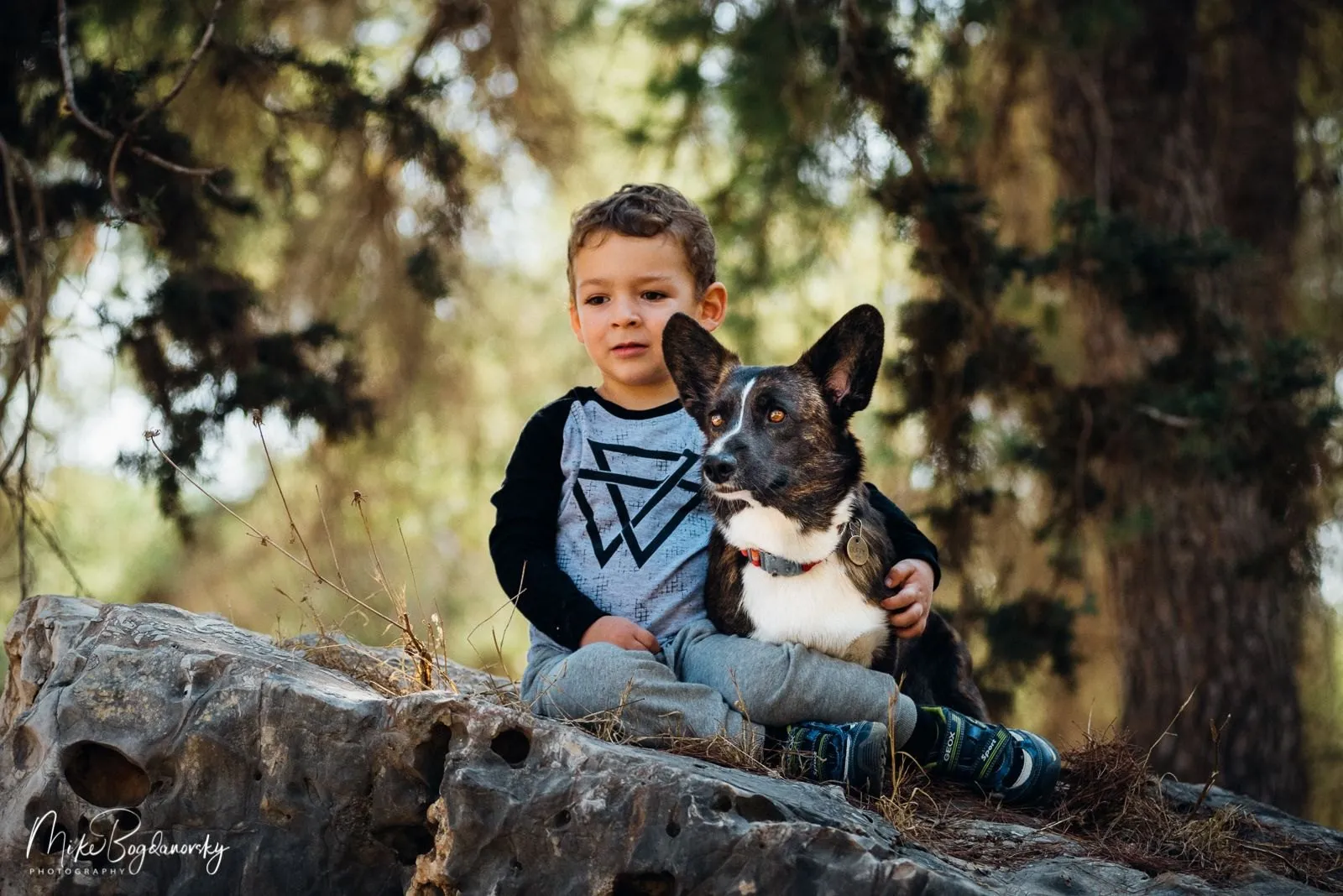
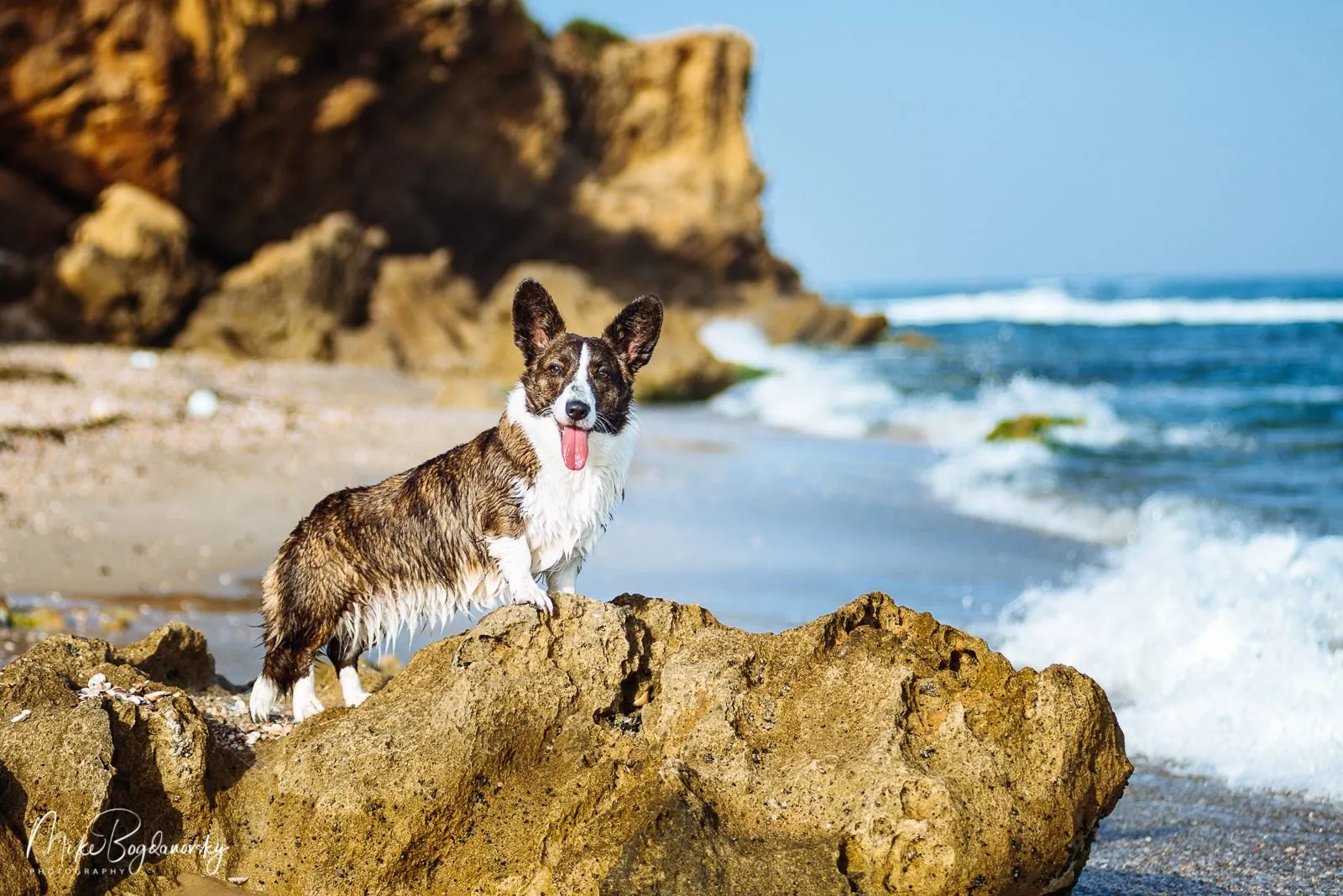
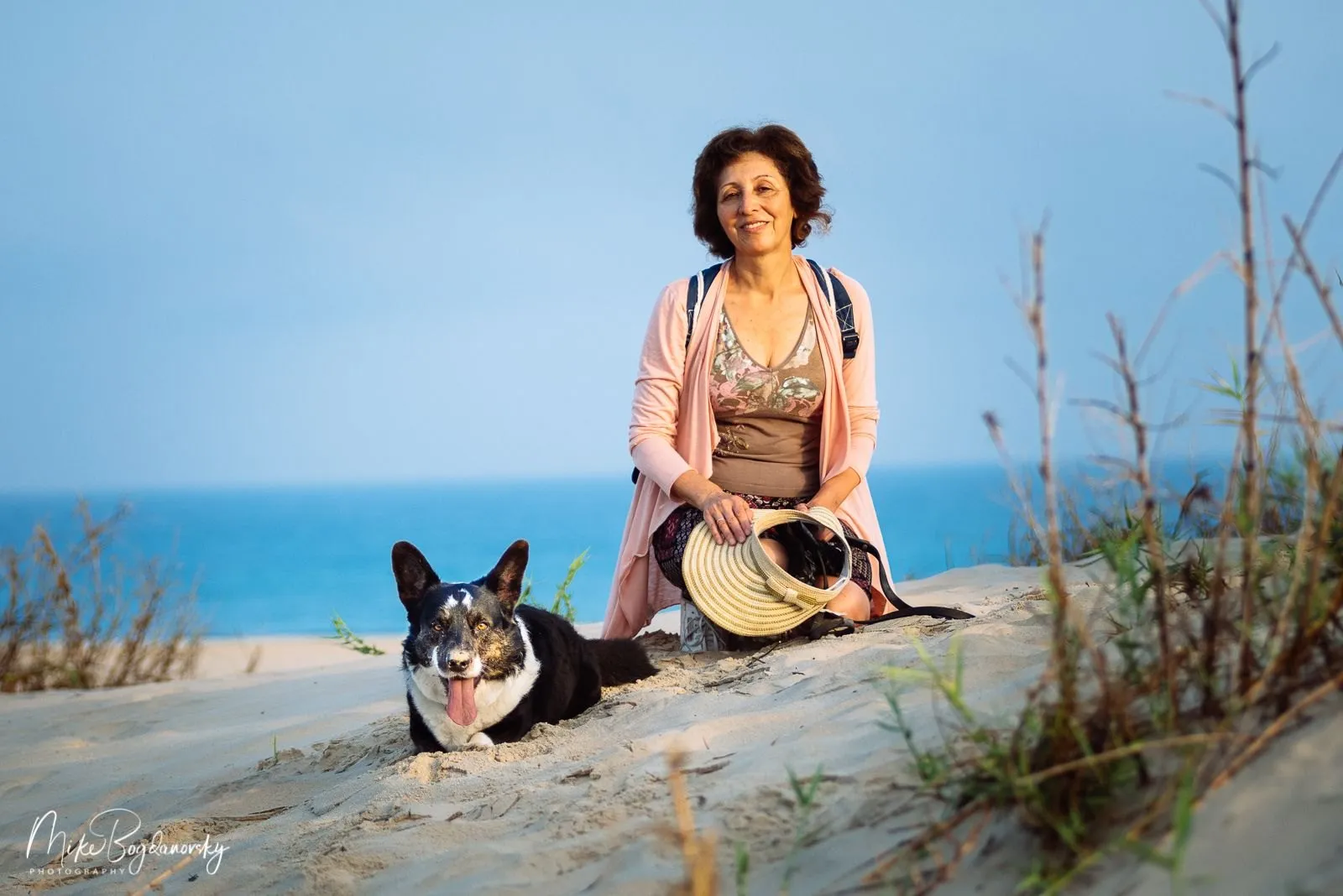
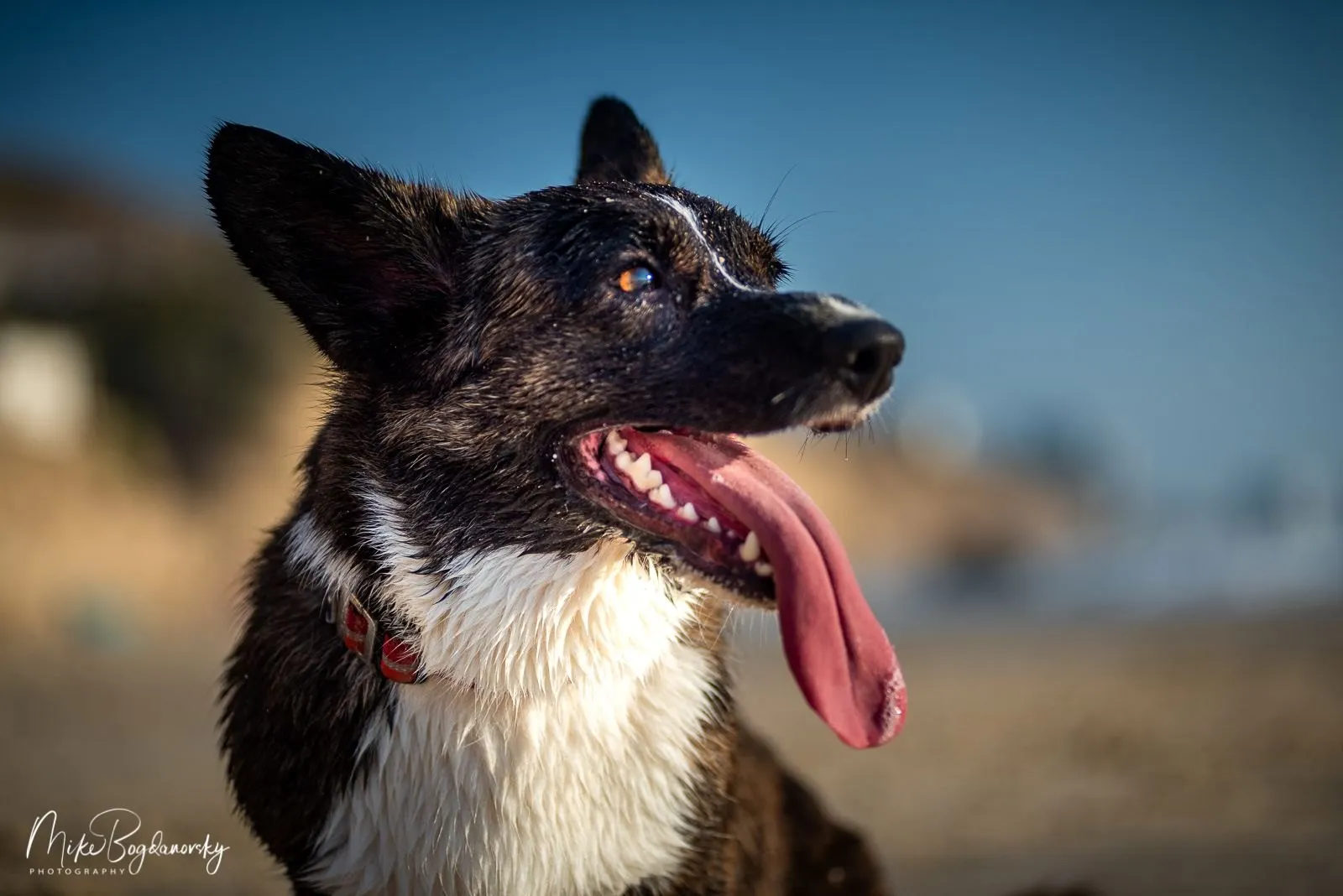
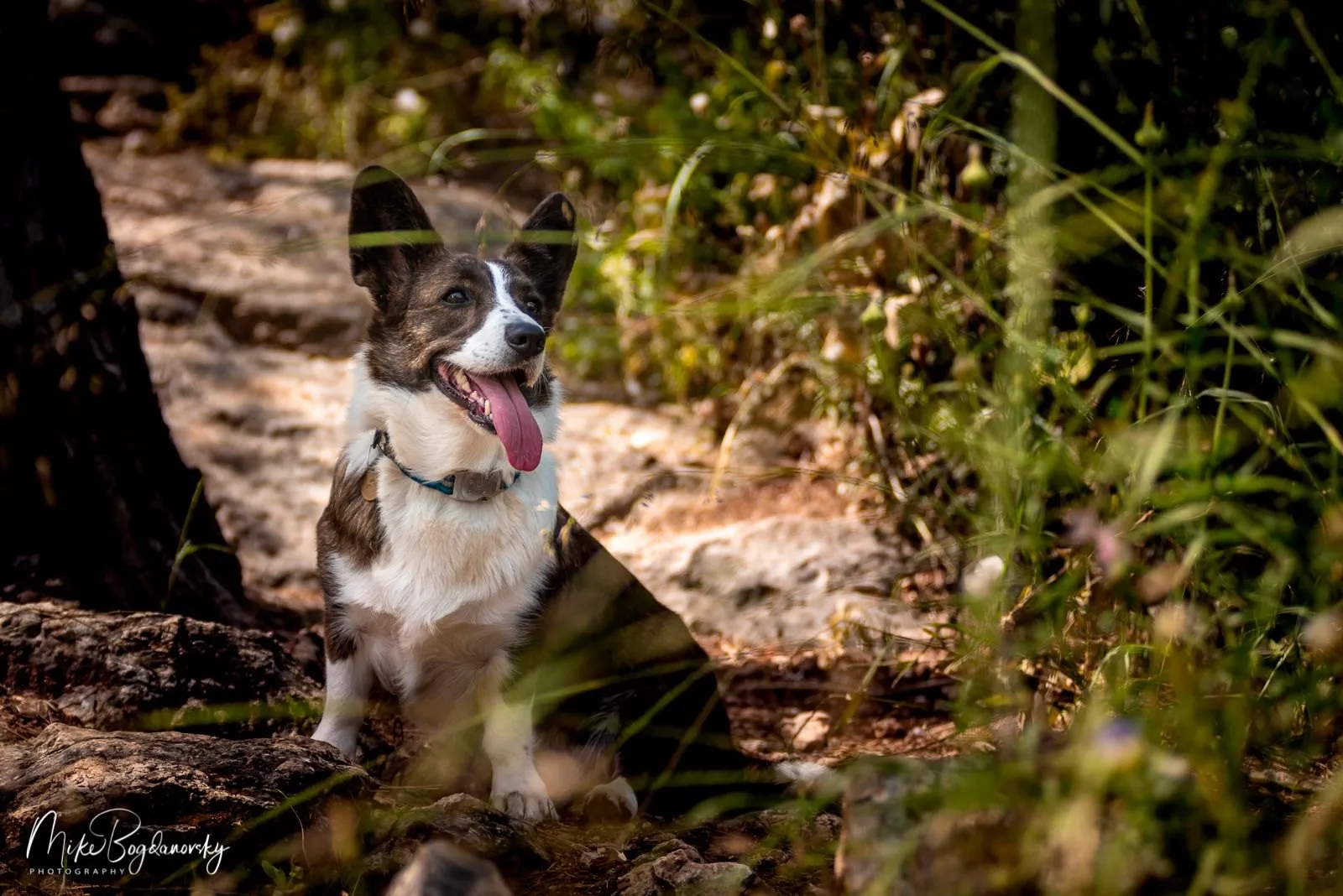
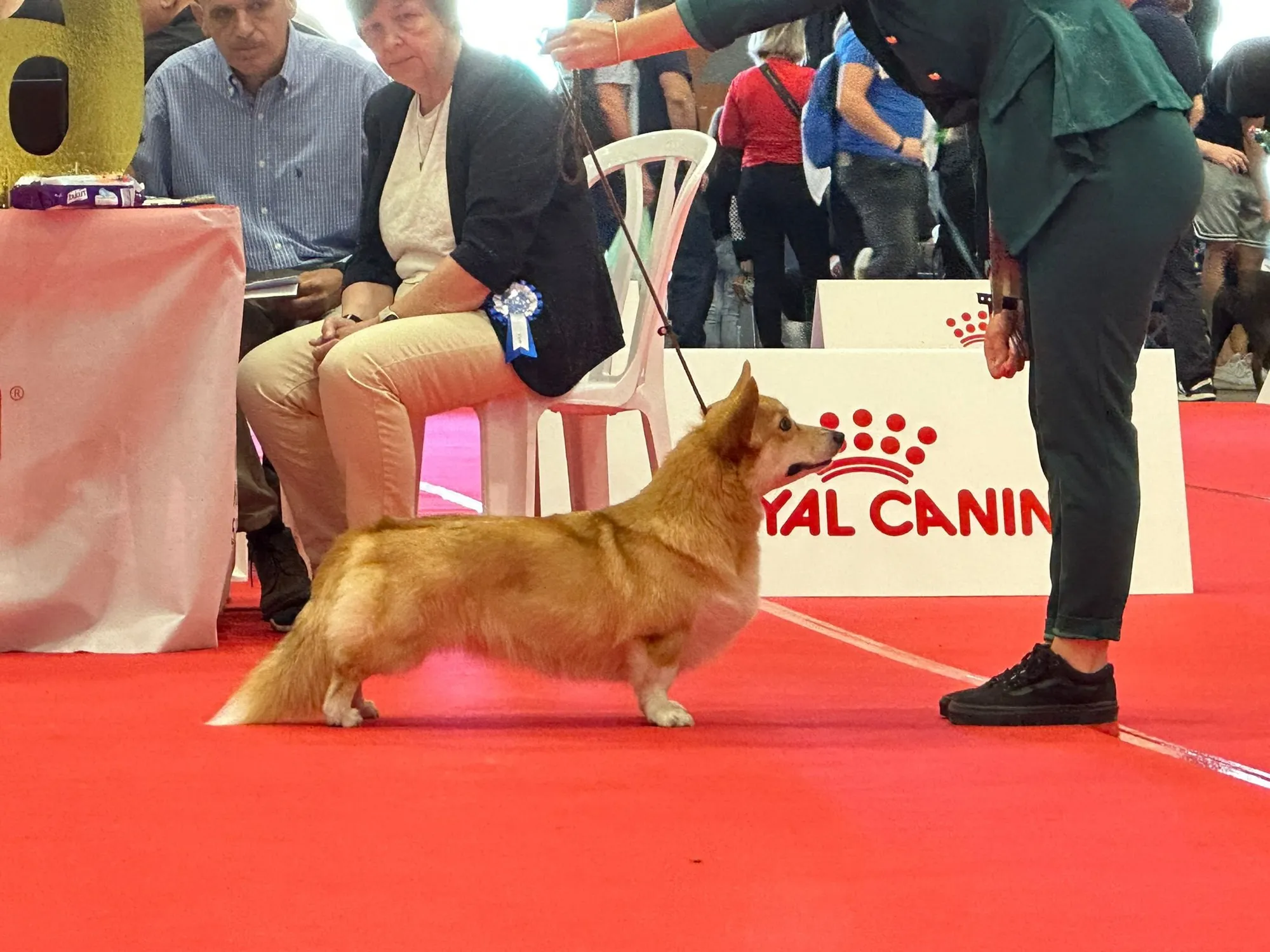
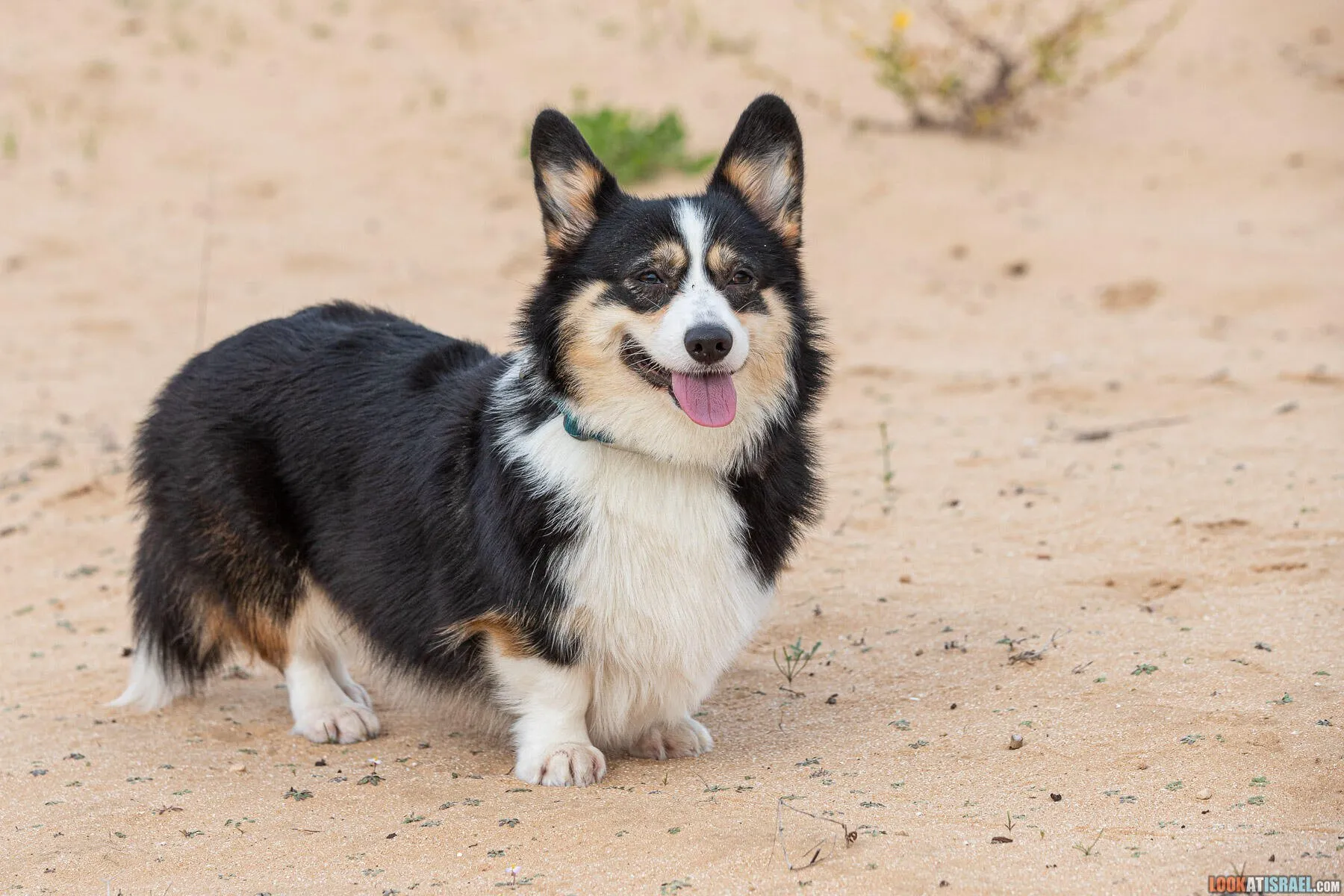
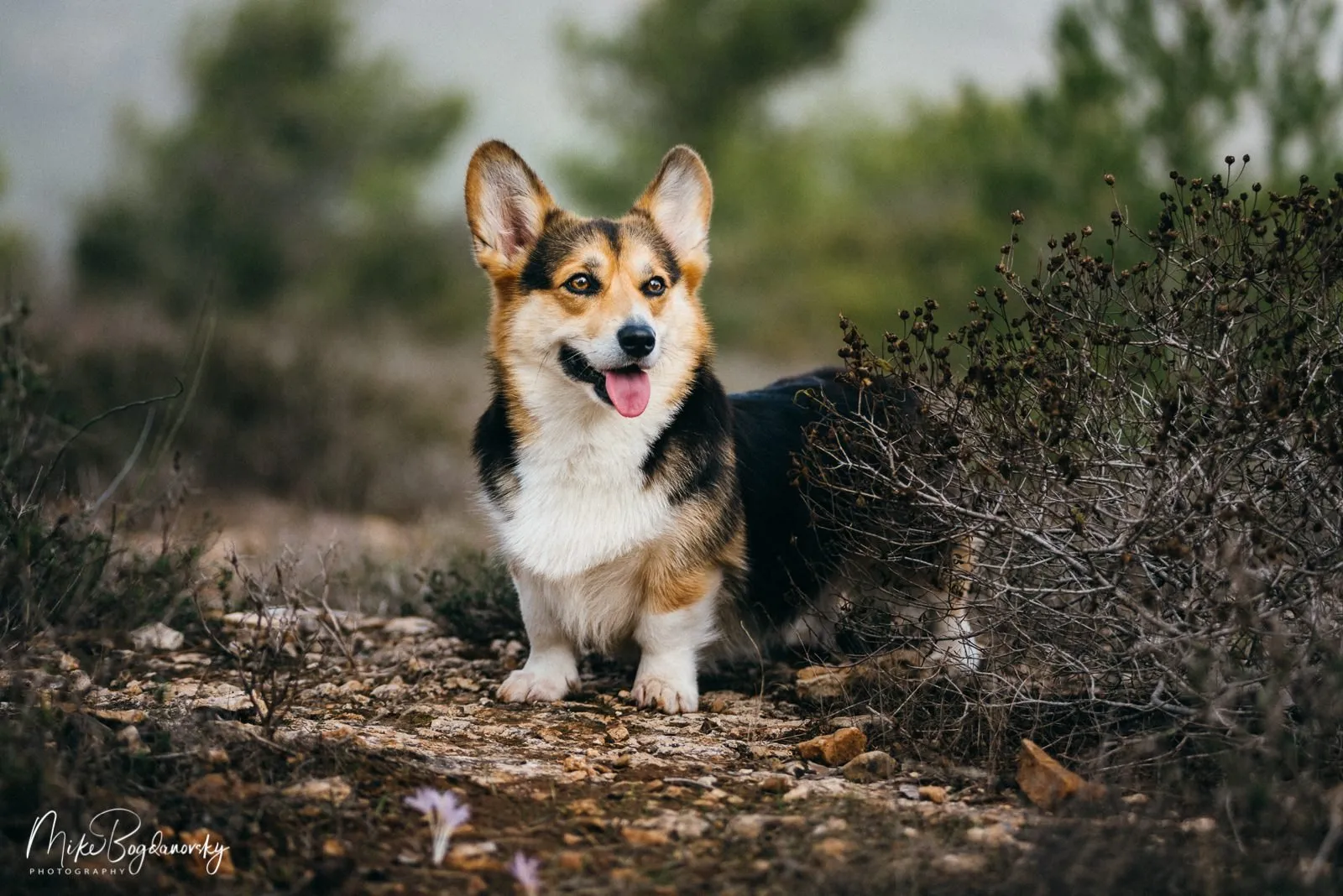
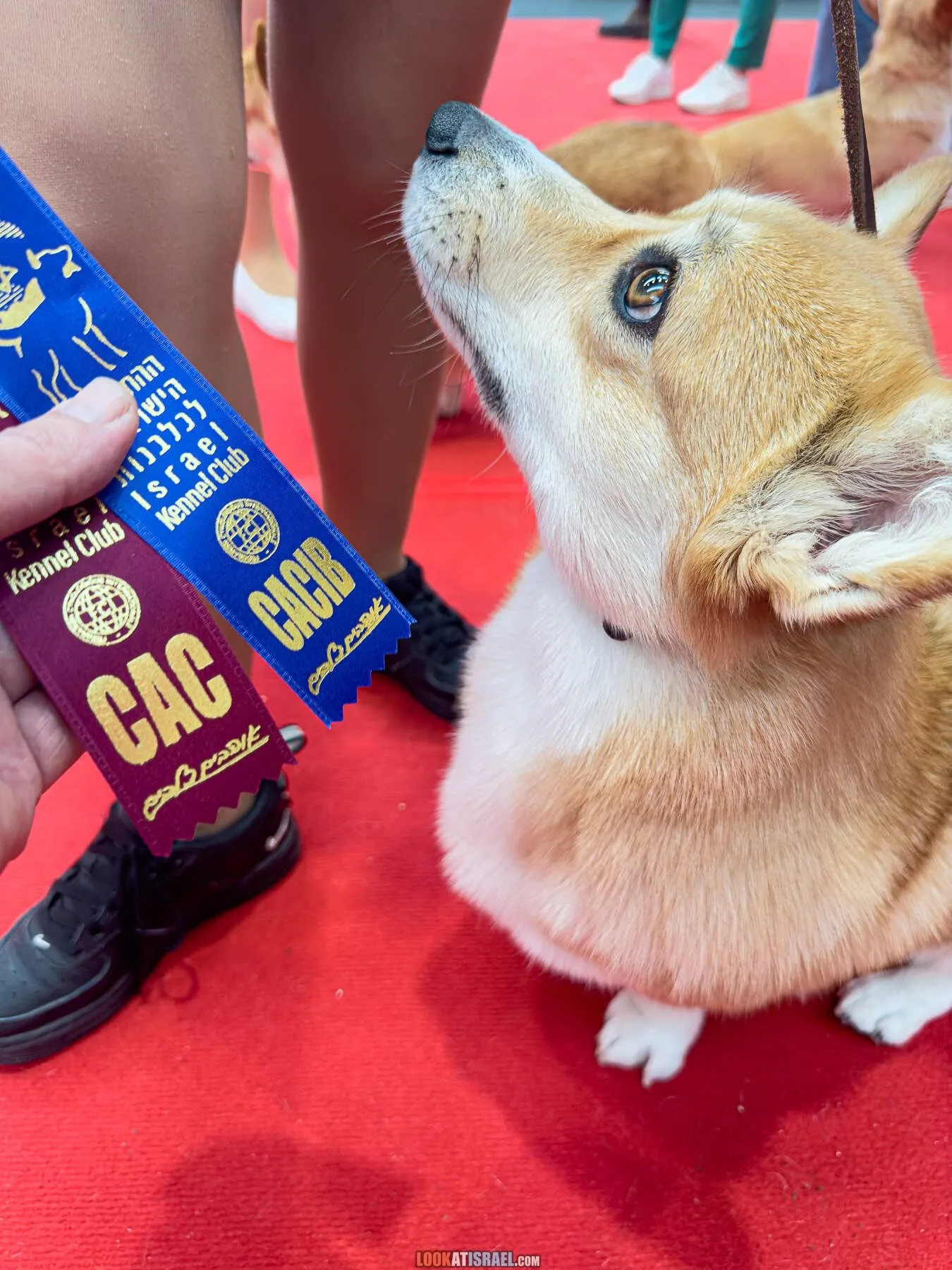
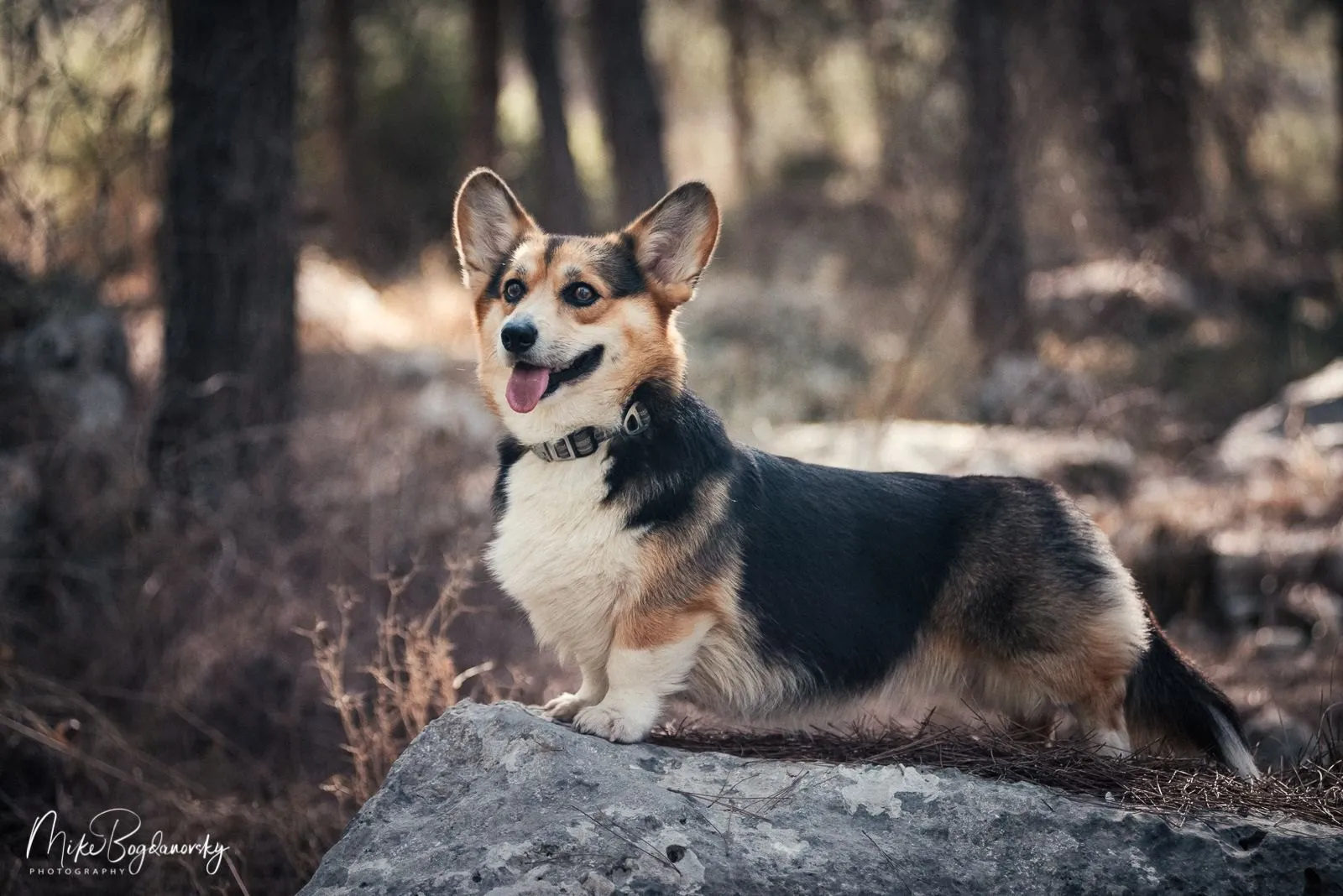
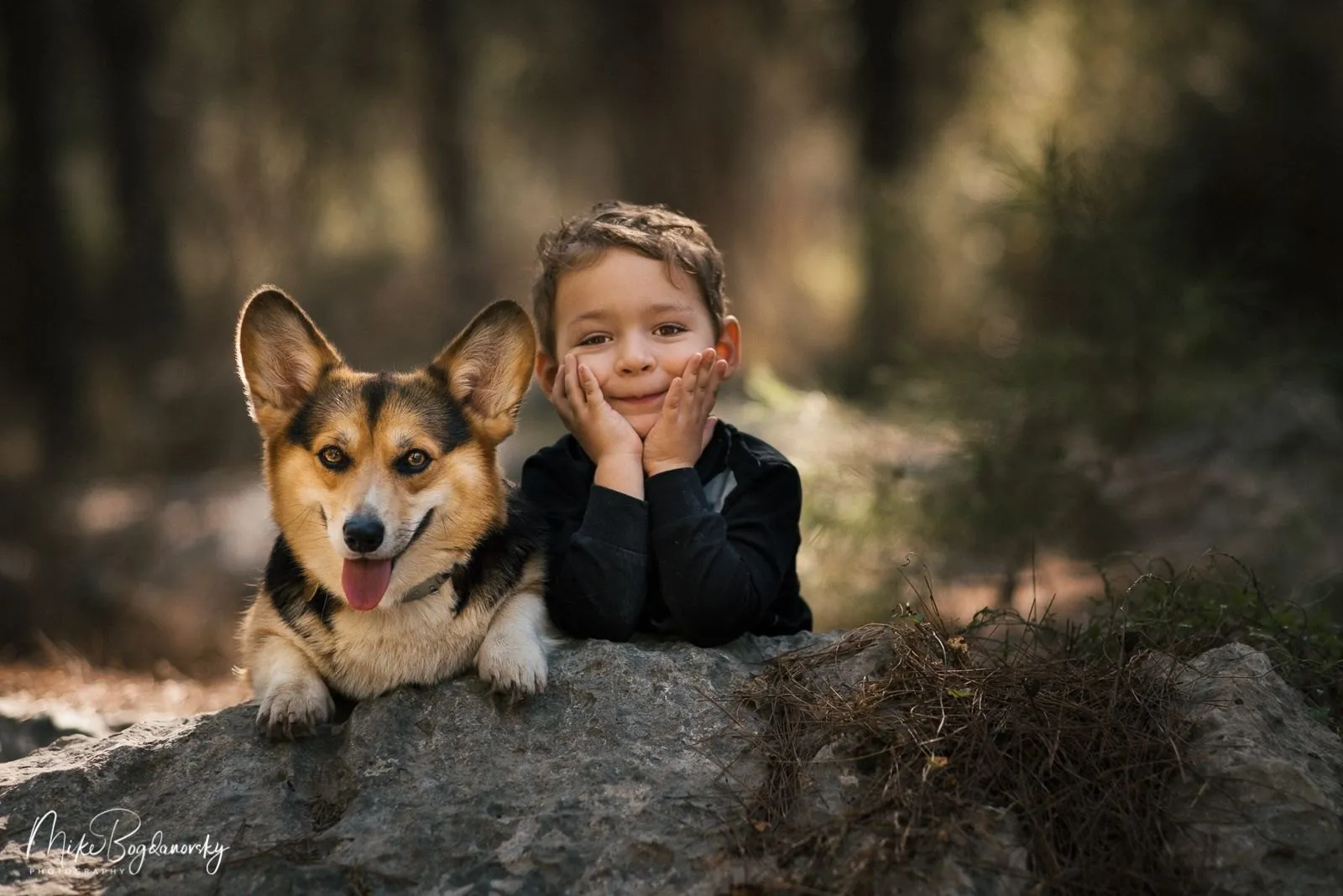
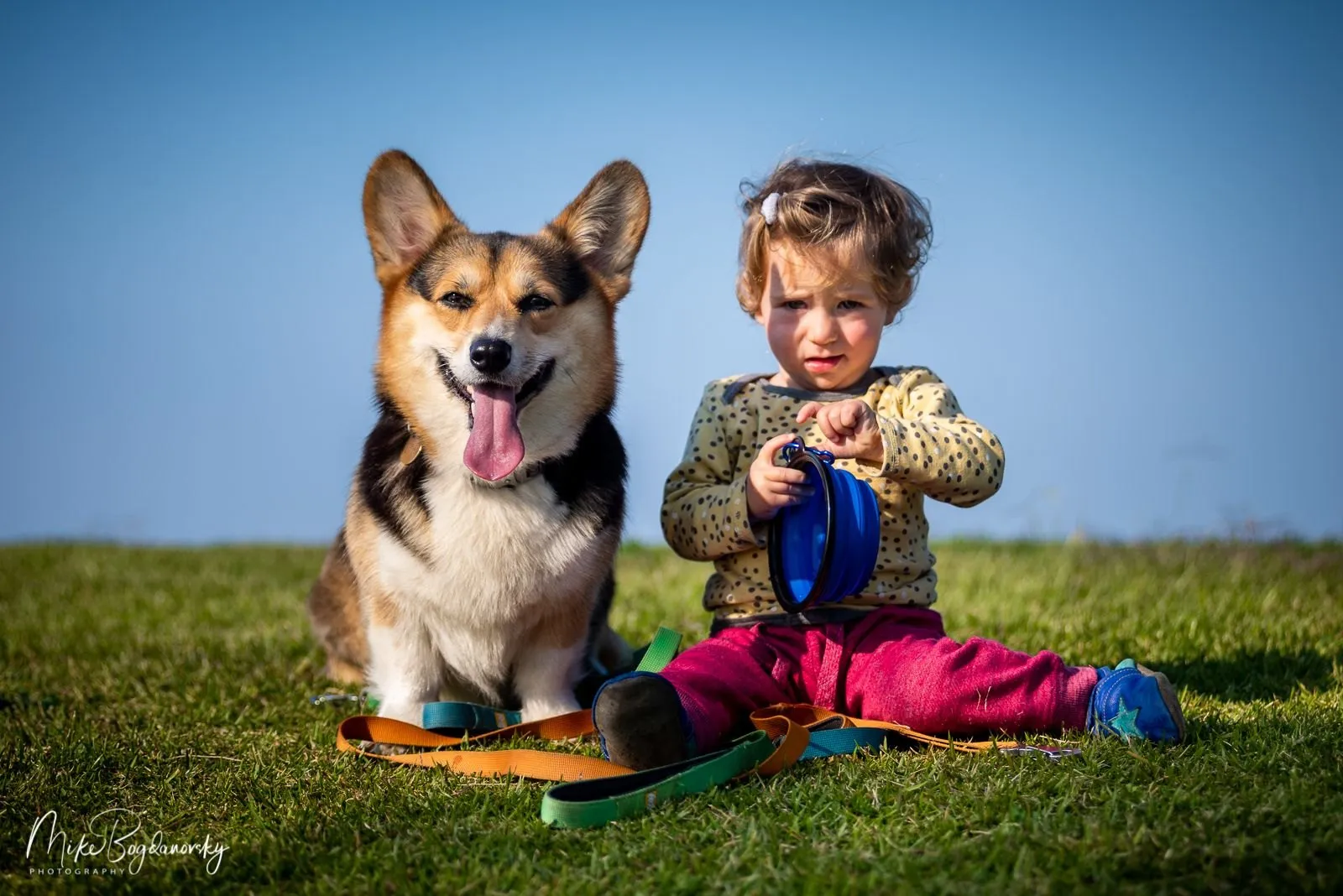
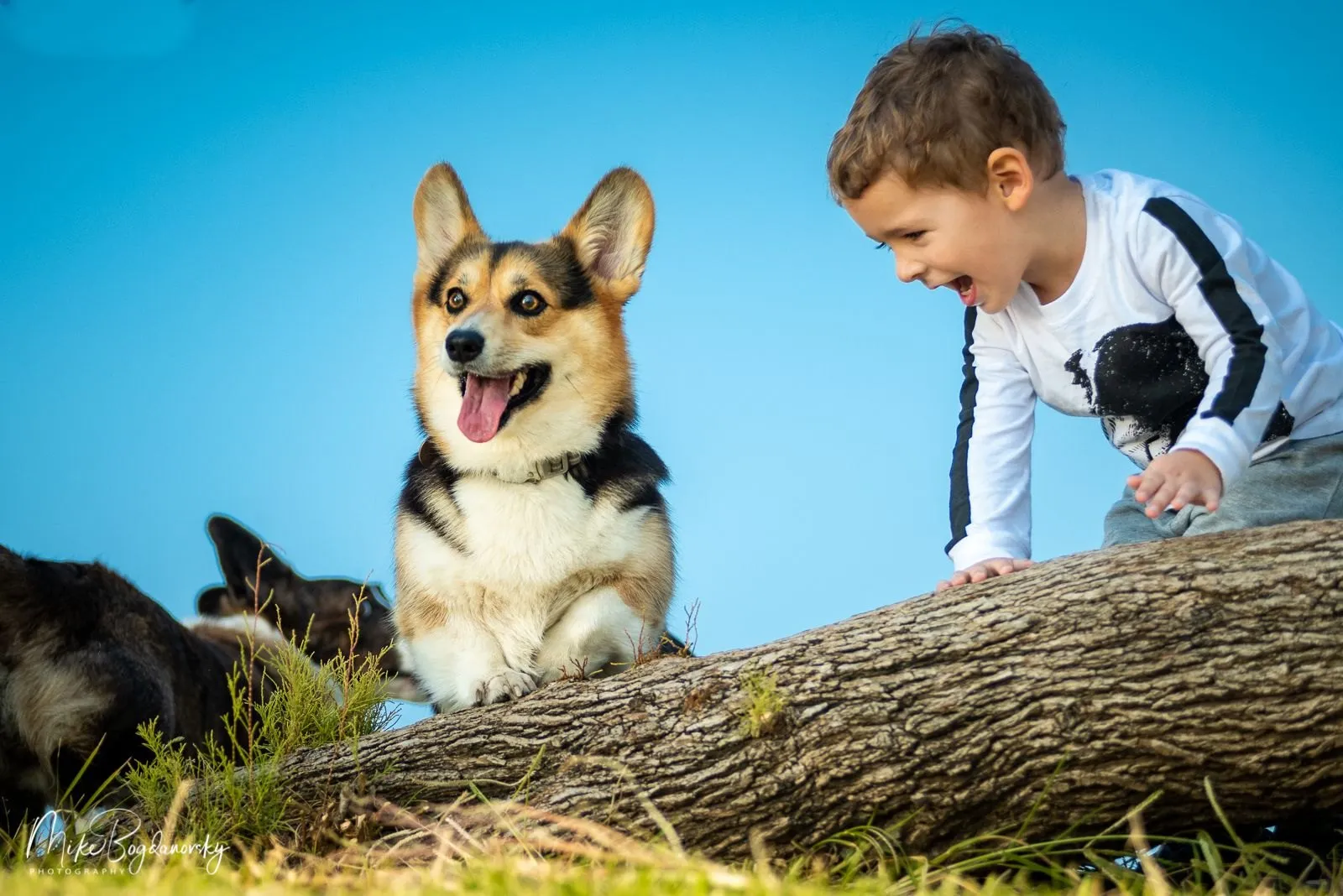
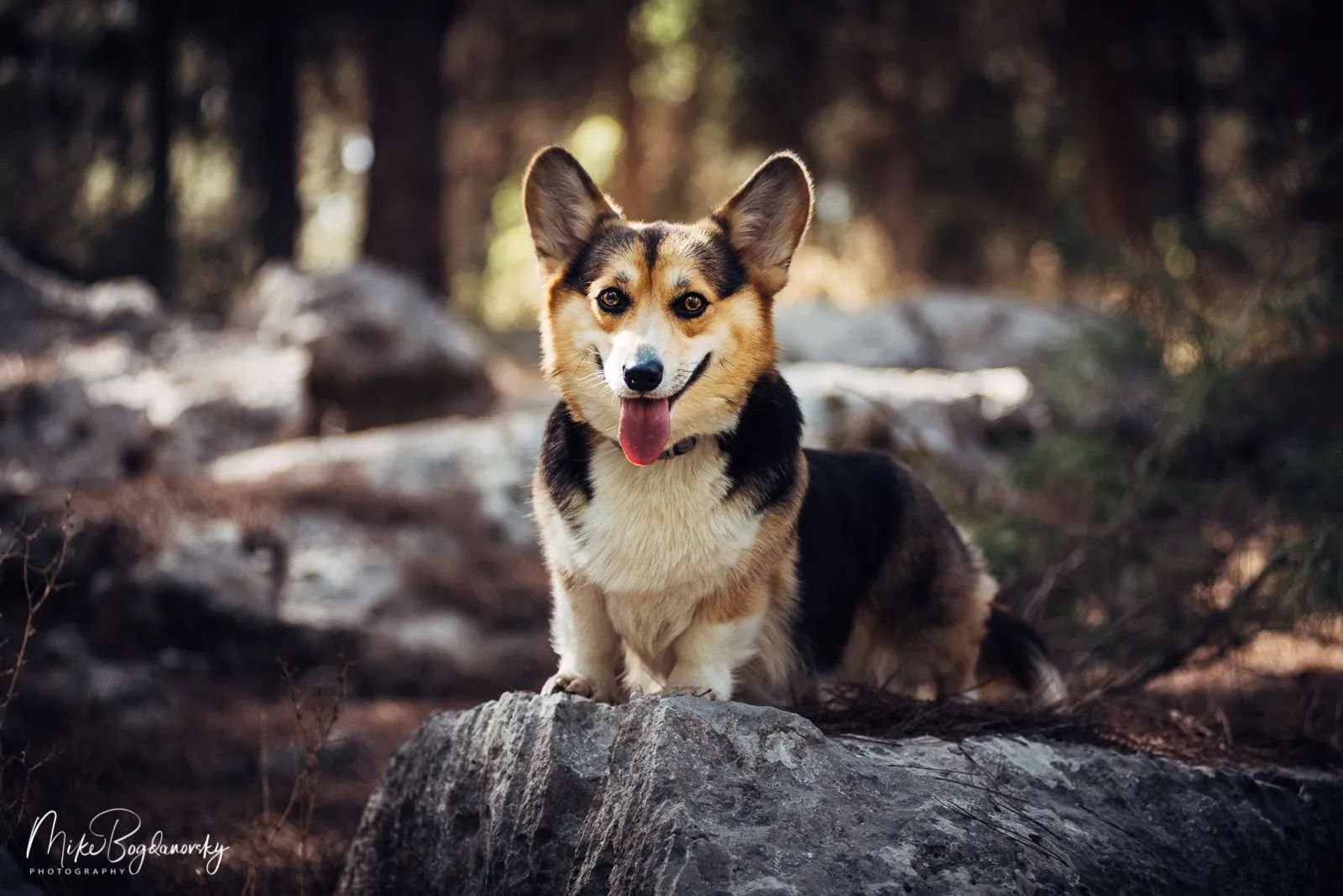
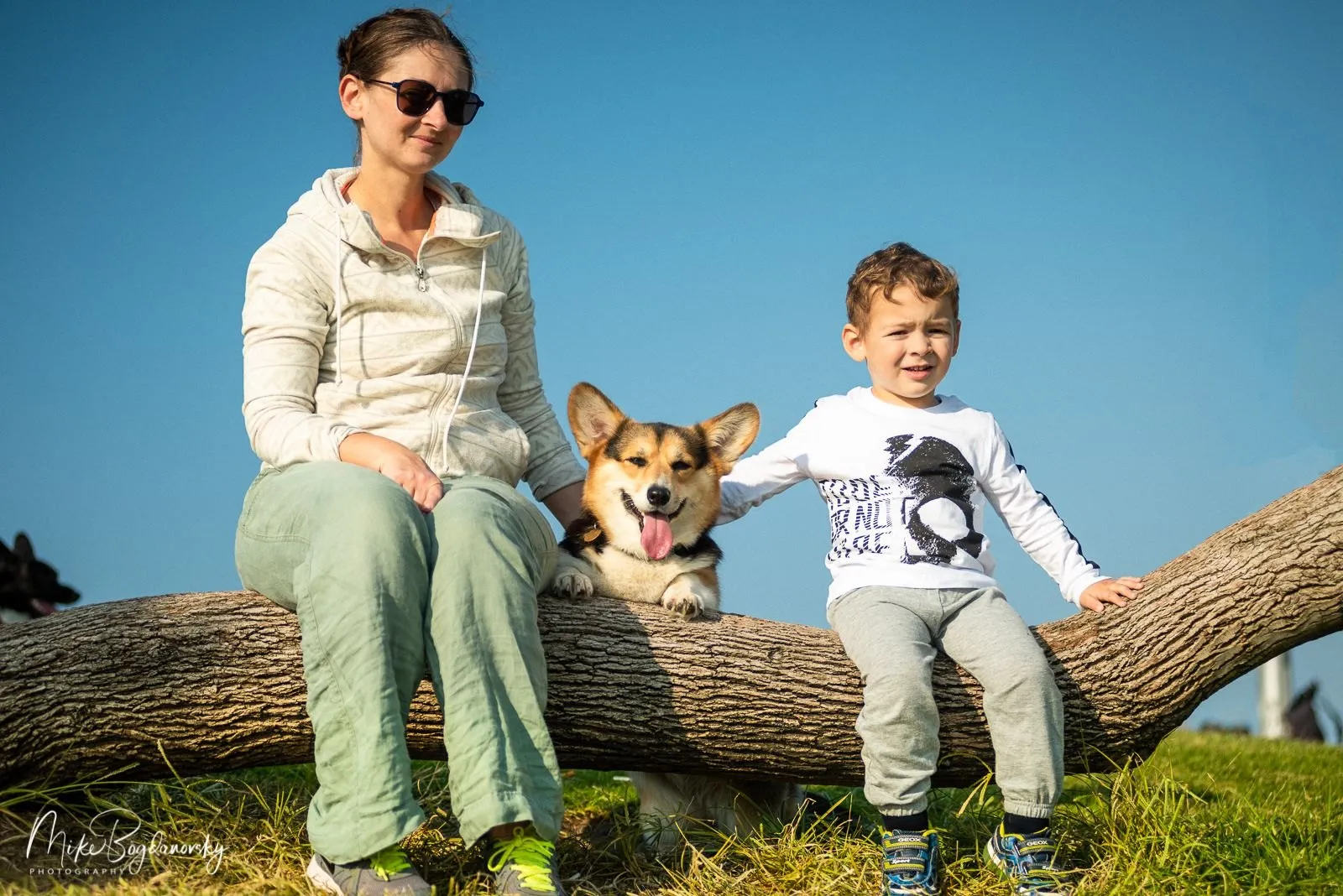
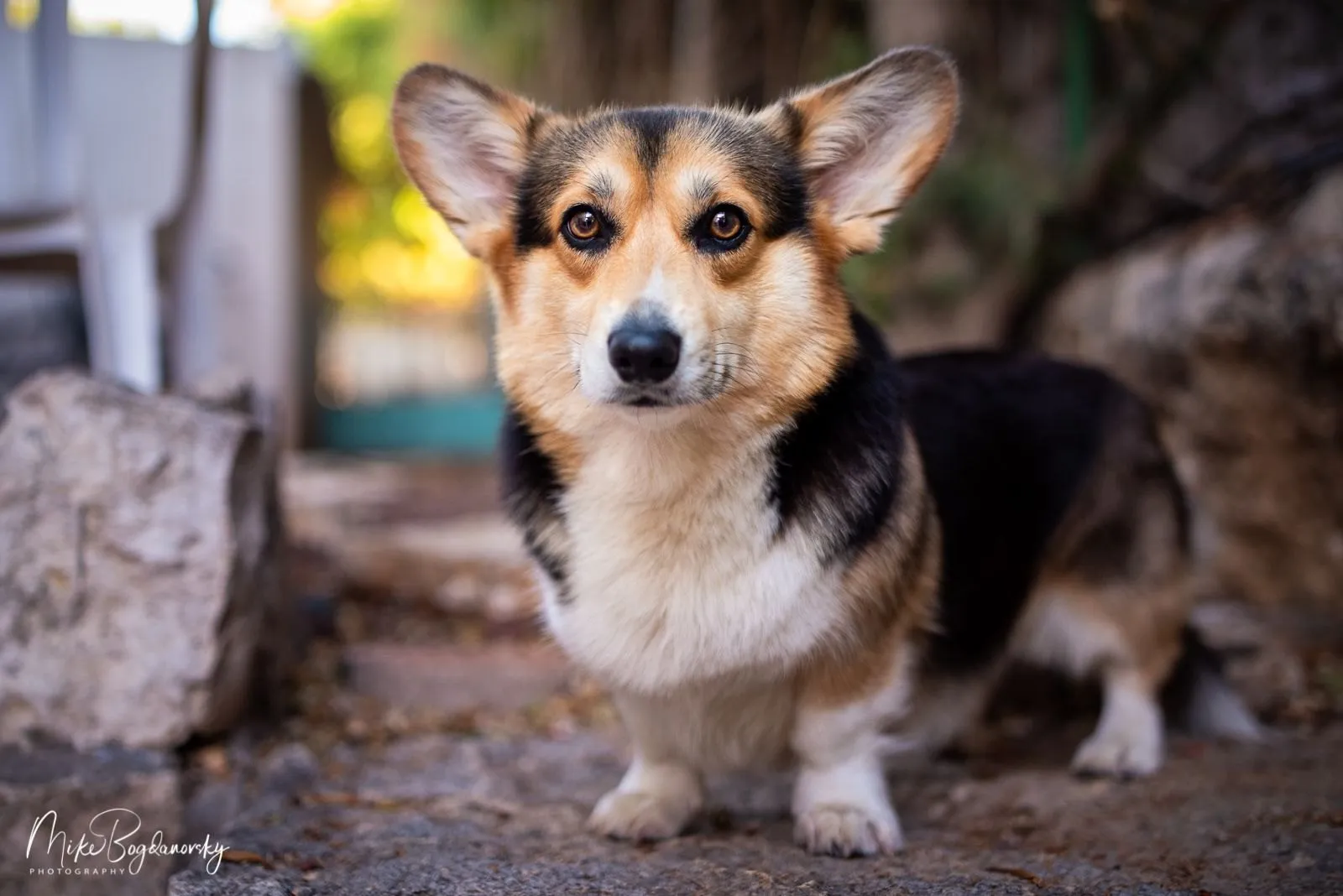
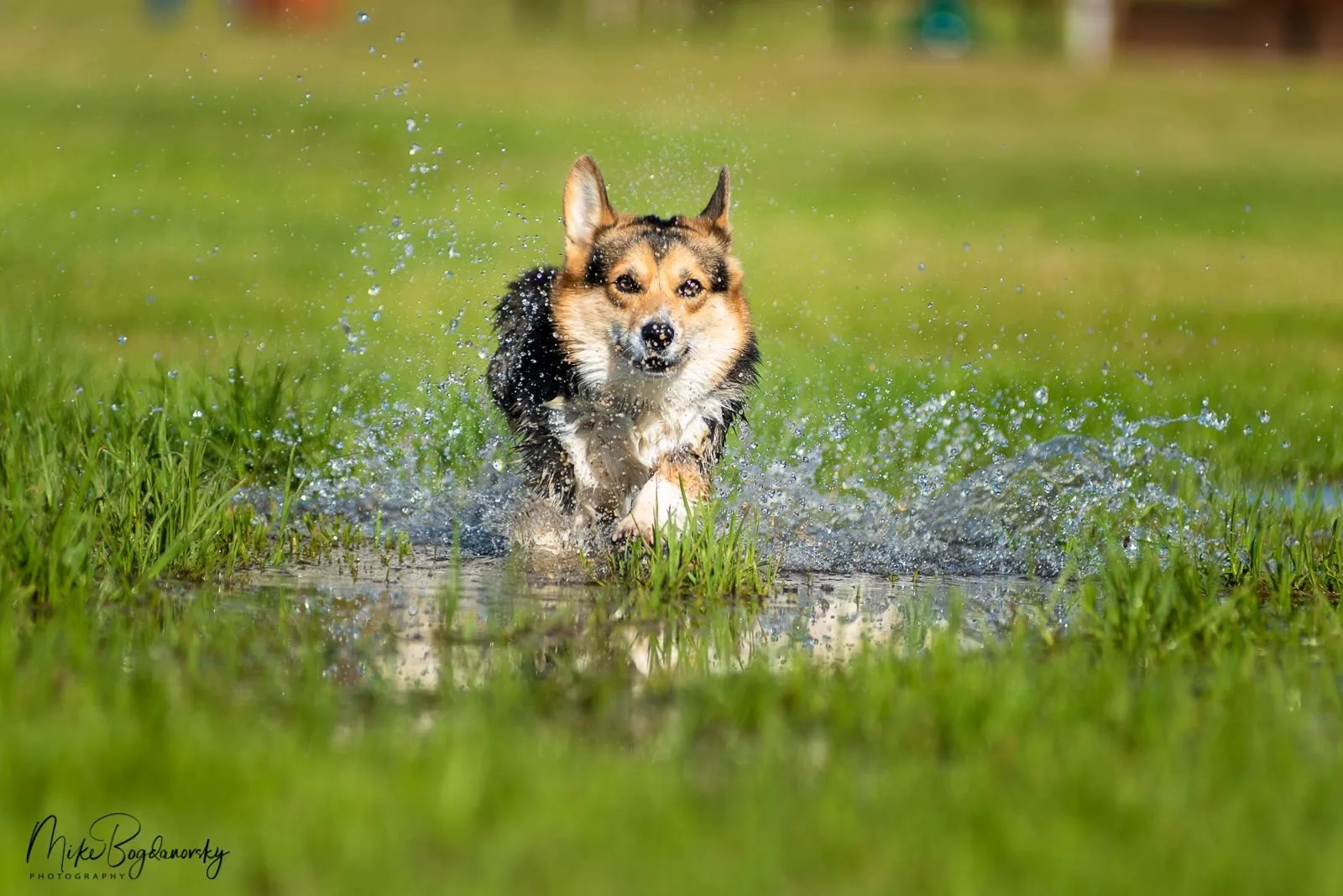
Our Cardigans and Pembrokes
Sources
- Cardigan: FCI standard No. 38, Welsh Corgi (Cardigan), official valid standard published 08.09.2026 (English text of 06.10.2026).
- Pembroke: FCI standard No. 39, Welsh Corgi Pembroke, official valid standard published 08.09.2026 (English text of 06.10.2026).
- Origin and history: our breed pages.
- Drawings: our own pencil plates. The two side views share one scale and one floor: the Cardigan at its ideal 30 cm, the Pembroke at 27.5 cm, the middle of its range.